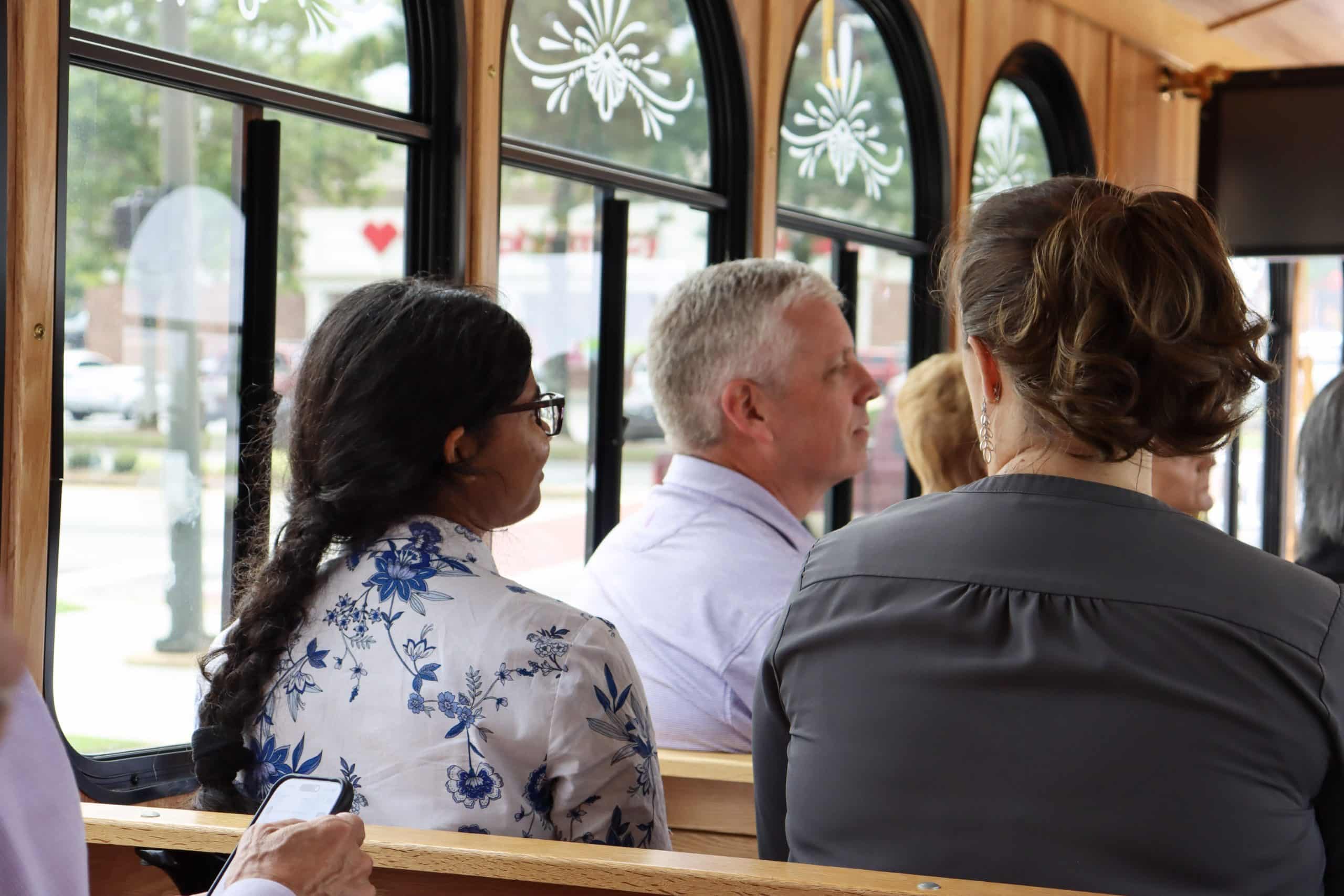
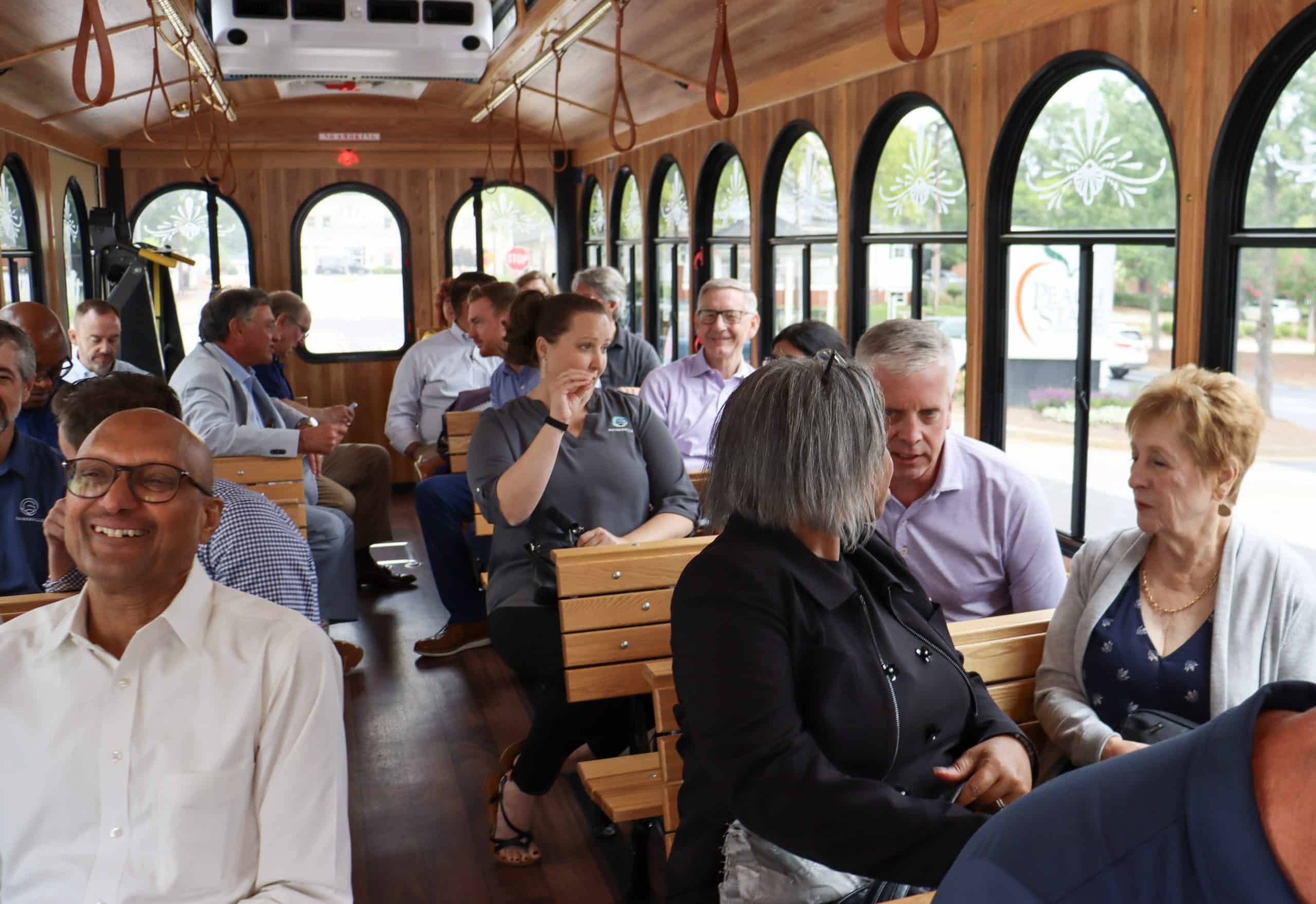
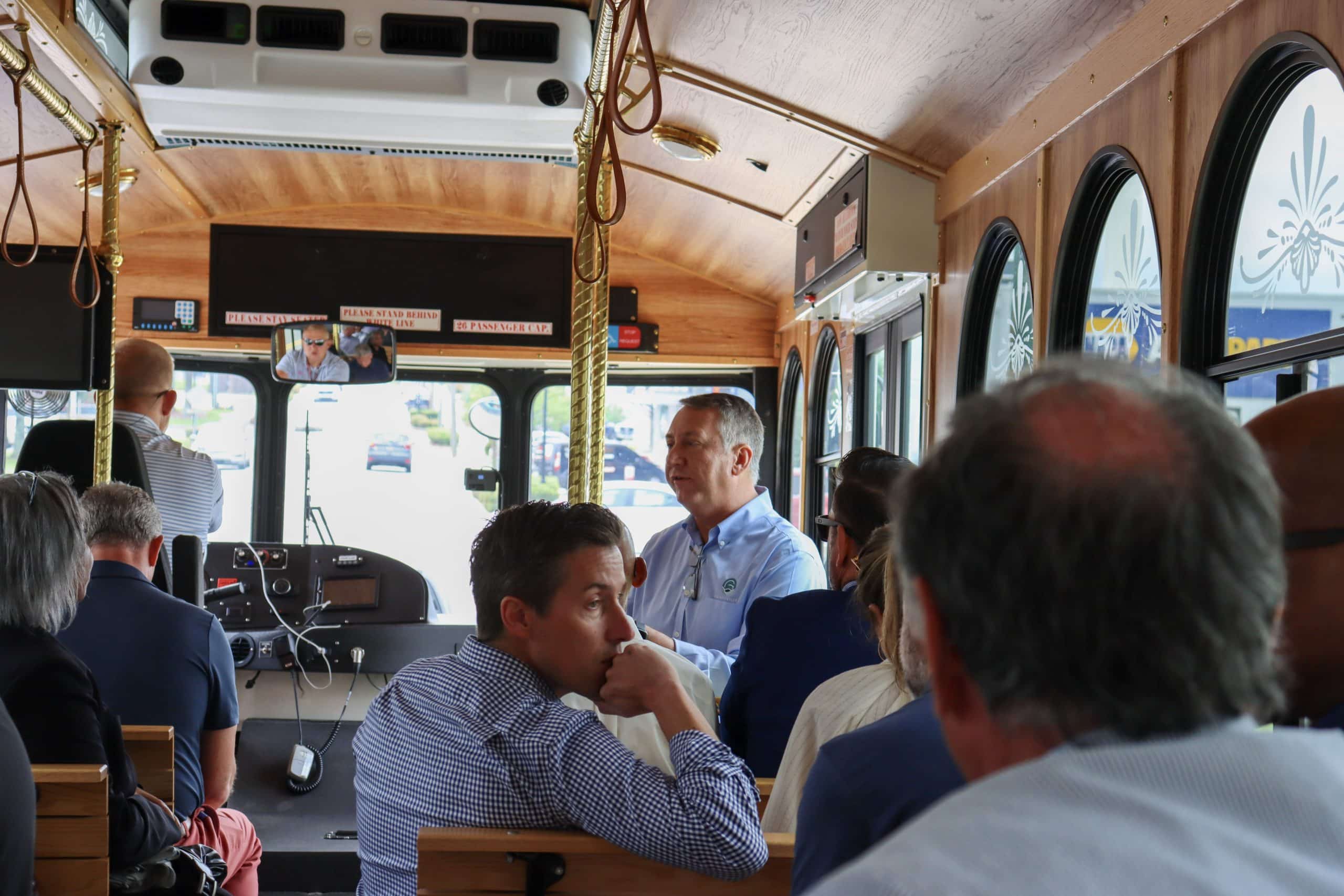
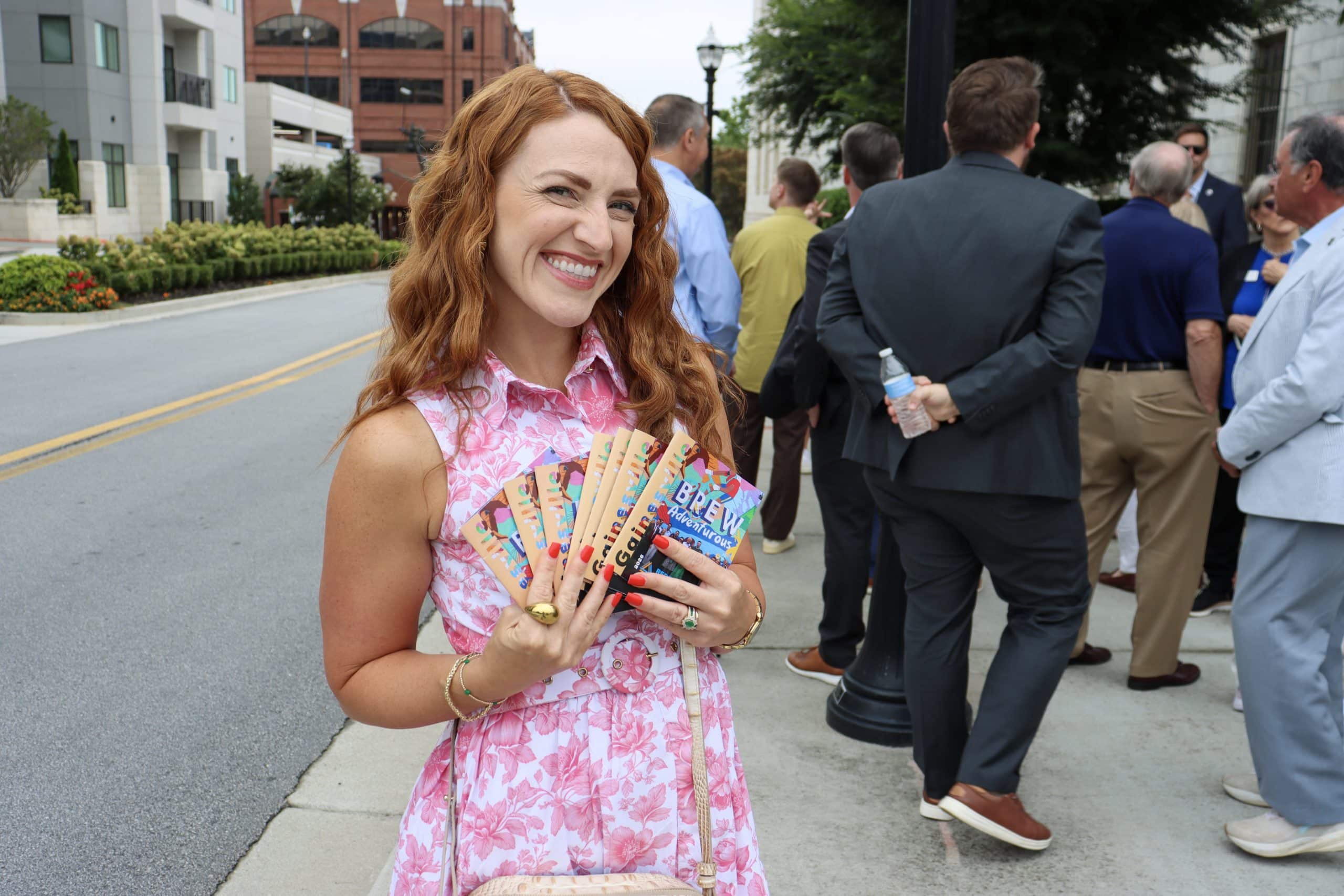
Have you passed an old, neglected area and returned a few years to find it transformed into a vibrant place where communities come together? You may have felt surprised about what may have seemed like a sudden change, but the truth is that redevelopment isn’t something that happens by chance.
Communities don’t wake up one morning with vibrant downtowns, connected trail systems, thriving mixed-use districts, or transformational public-private partnerships. They build them. One decision, one partnership, and one project at a time.
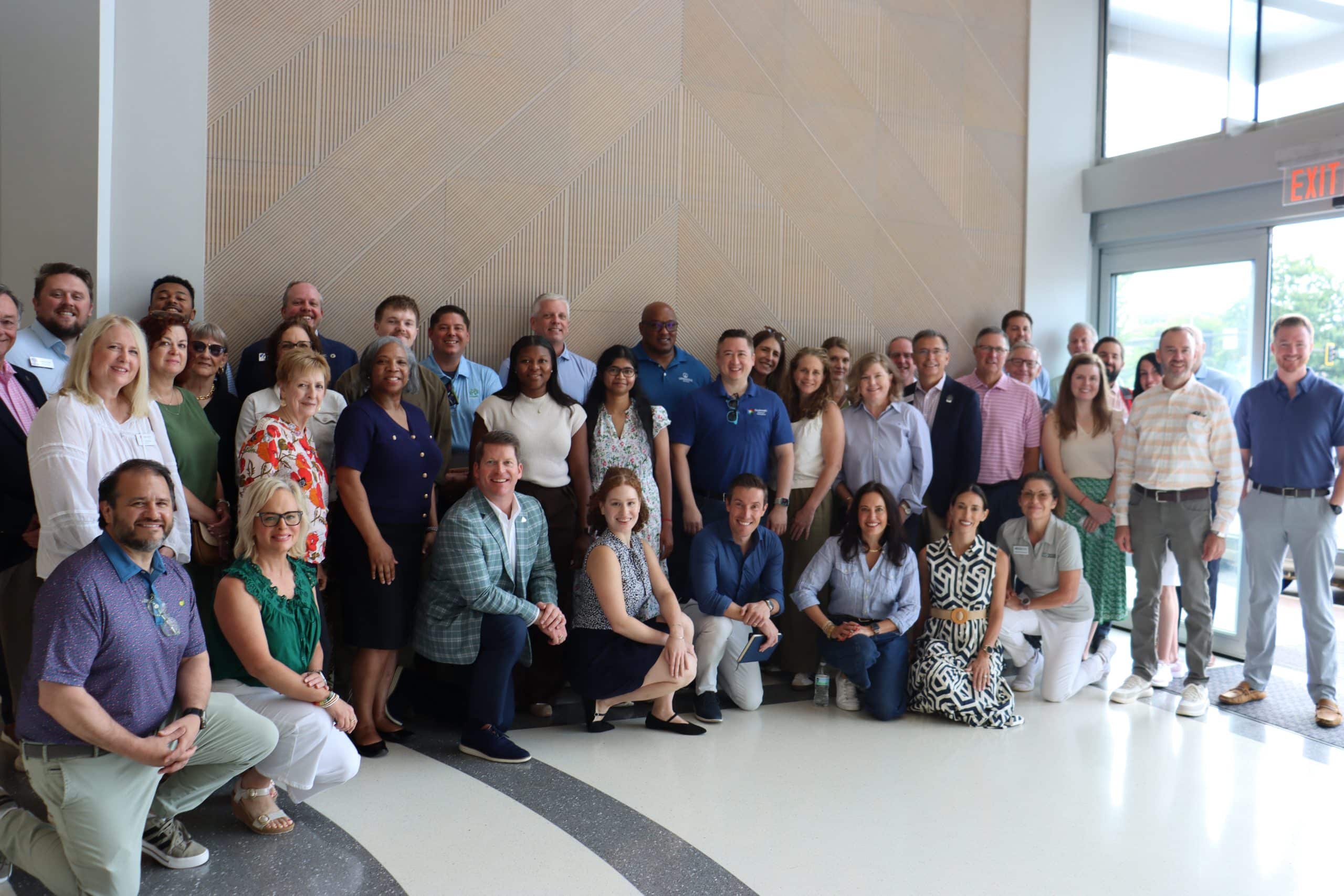
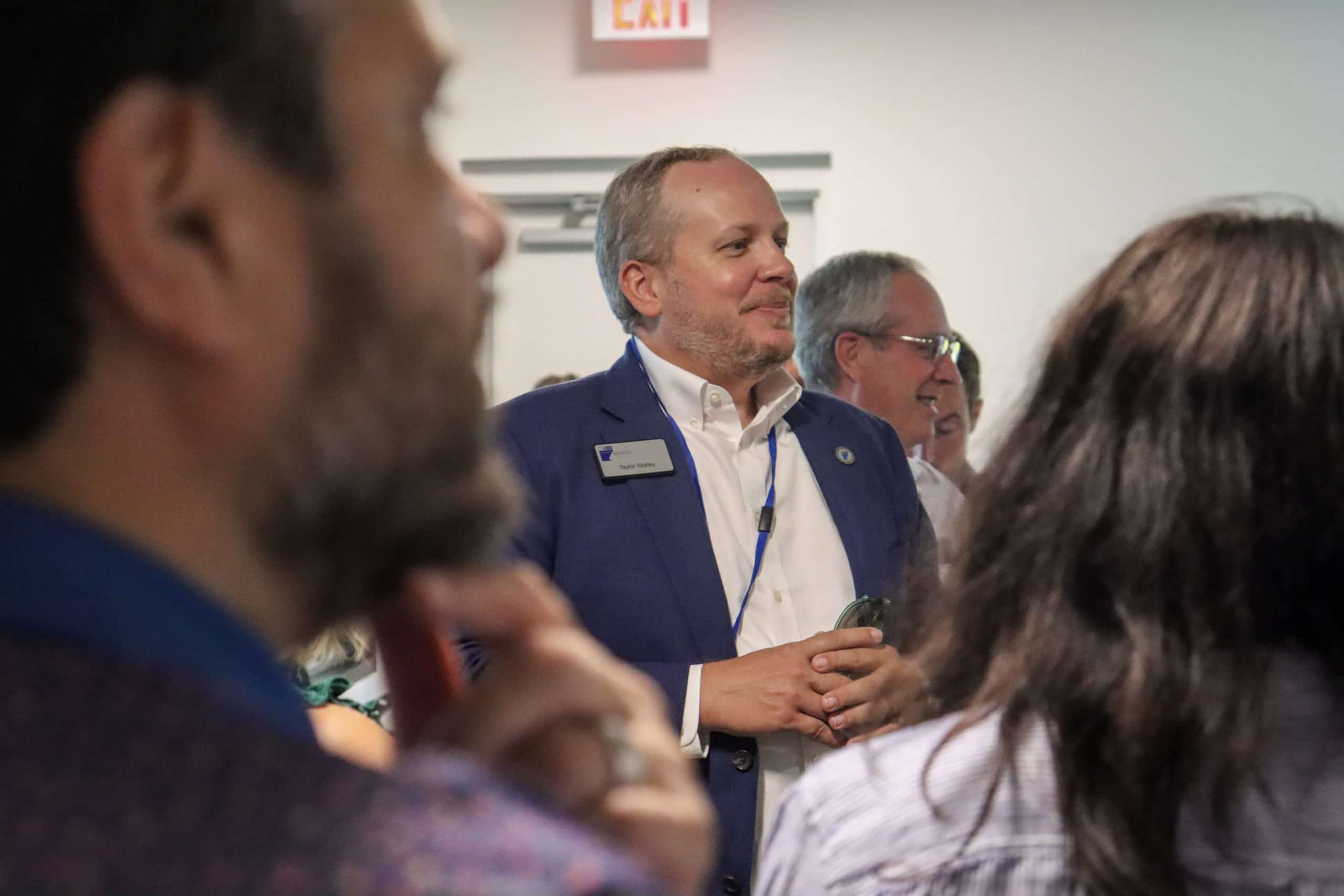
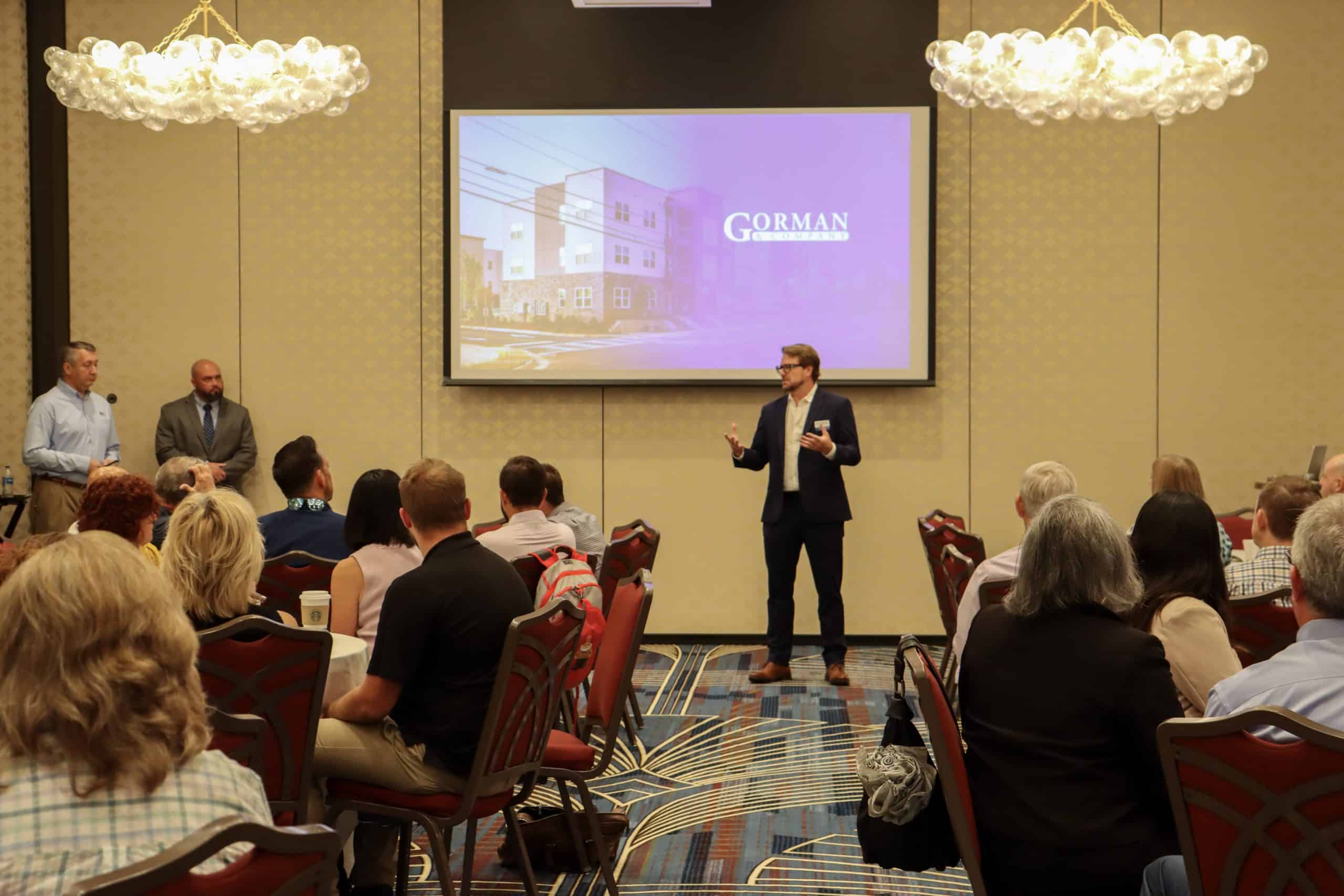
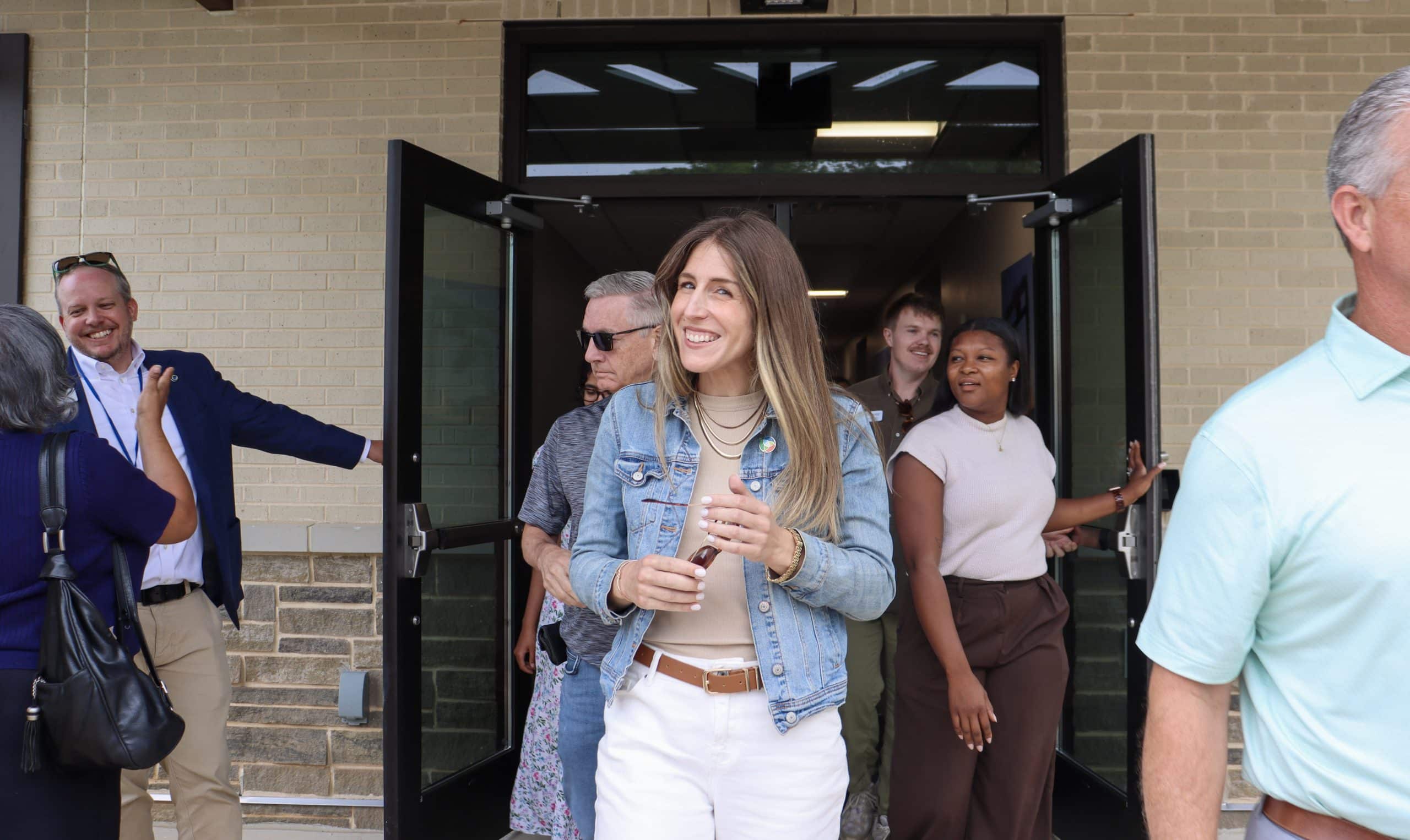
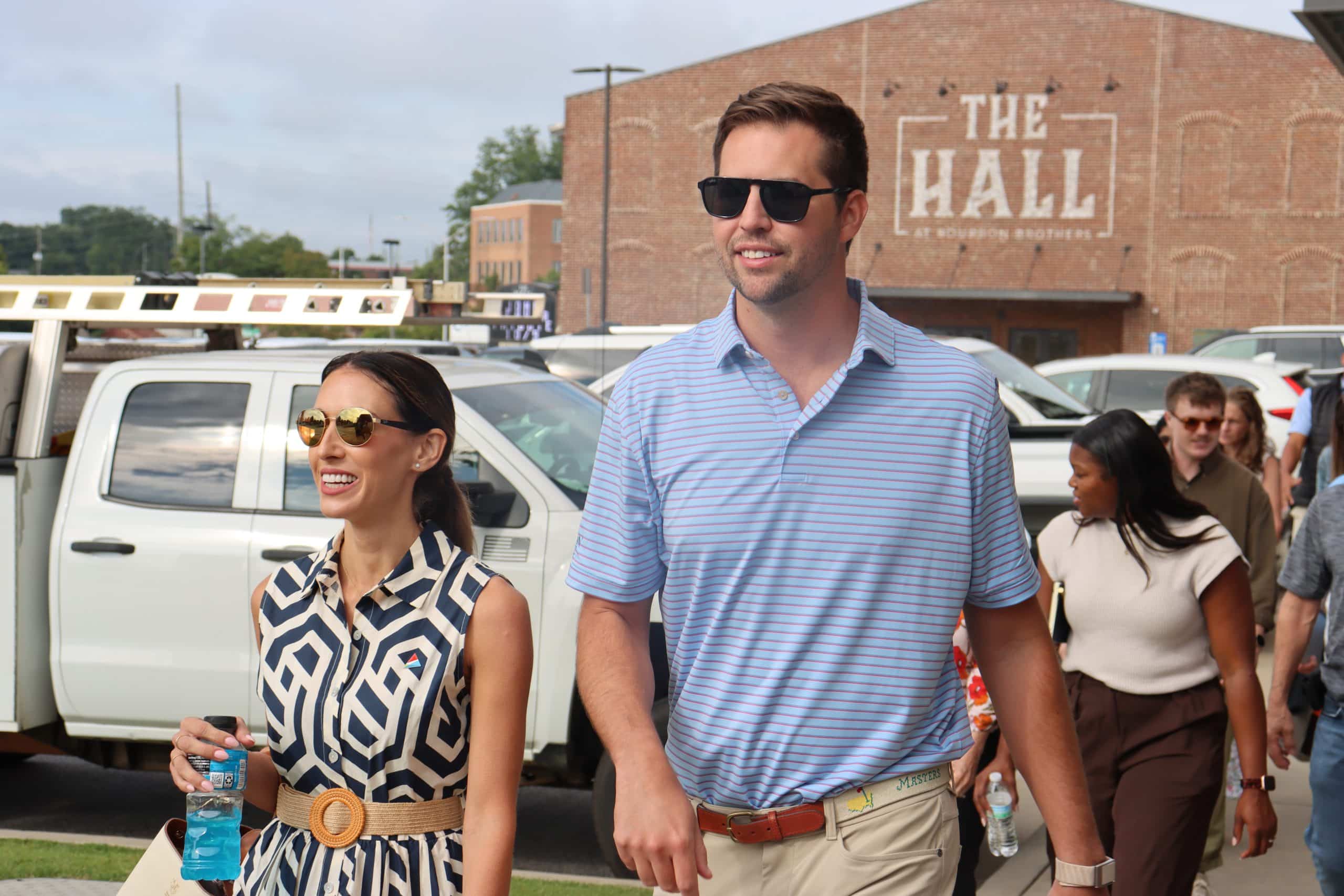
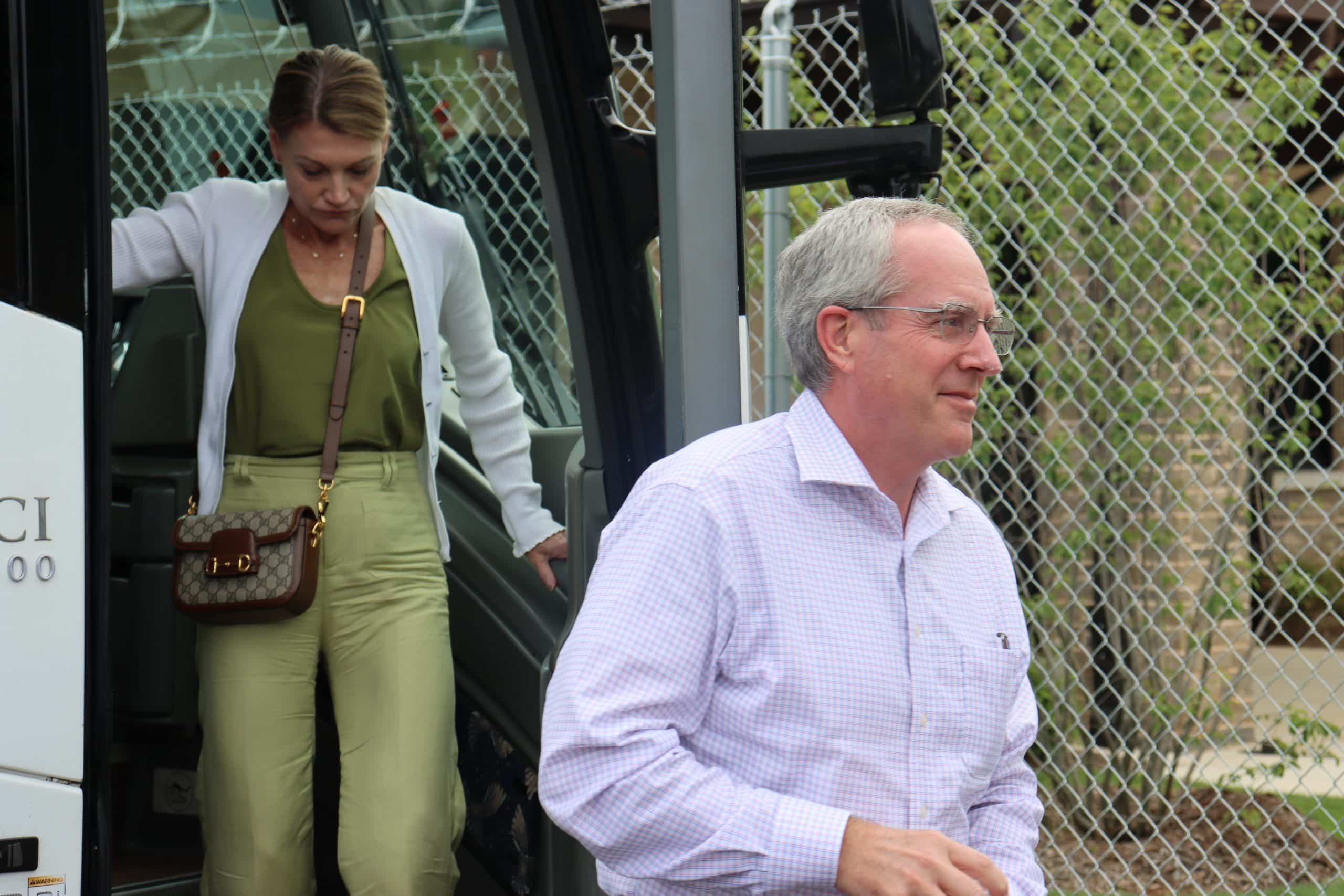
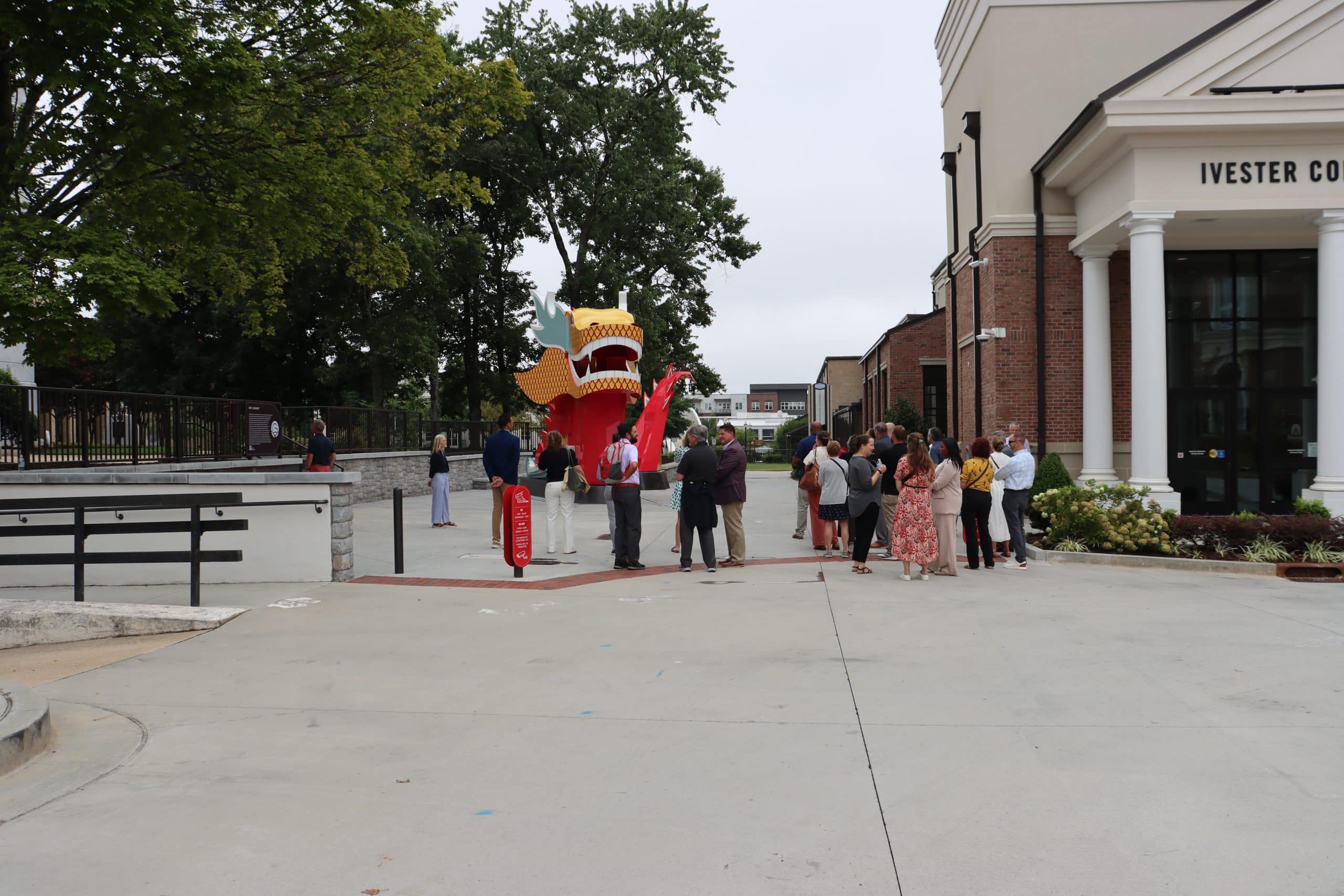
That’s exactly why Partnership Gwinnett created the Redevelopment Peer Tour through the local Redevelopment Council. As one component of Partnership Gwinnett’s award-winning redevelopment framework, the Peer Tour is designed to move redevelopment beyond theory by giving public and private sector leaders the opportunity to learn directly from communities that are successfully putting redevelopment into practice. Together with the Redevelopment Council and the Metro Atlanta Redevelopment Summit (MARS), the Peer Tour forms a continuous cycle of identifying opportunities, exploring proven solutions, and bringing those ideas back to Gwinnett for implementation.
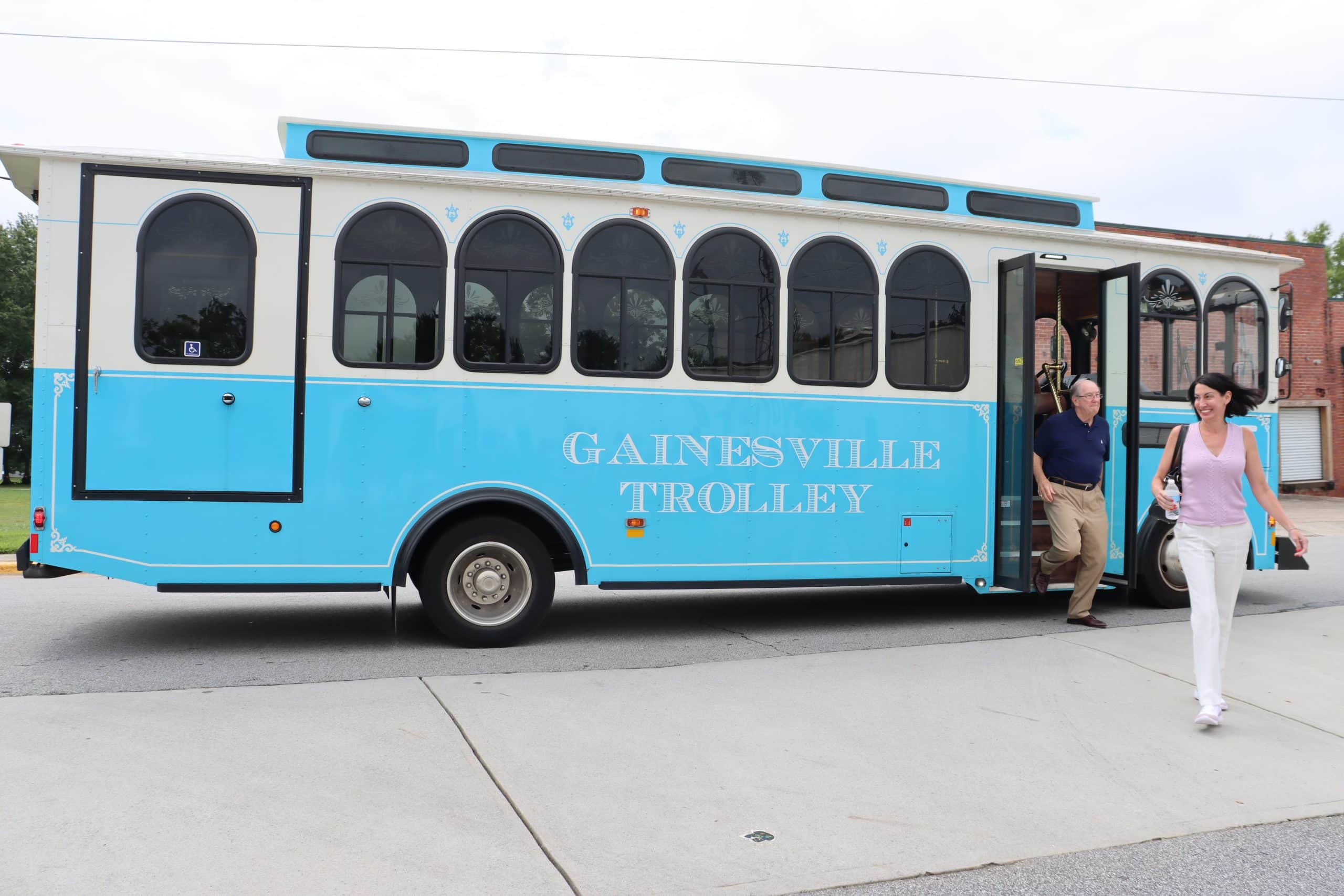
This year’s destination was much closer to home. Gainesville, Georgia has quietly become one of the state’s best examples of intentional redevelopment. Through strategic public investments, strong leadership, creative partnerships, and a commitment to long-term planning, the city has transformed its downtown into a destination while laying the groundwork for continued growth.
Unlike many redevelopment tours that focus solely on finished projects, Gainesville opened the playbook.
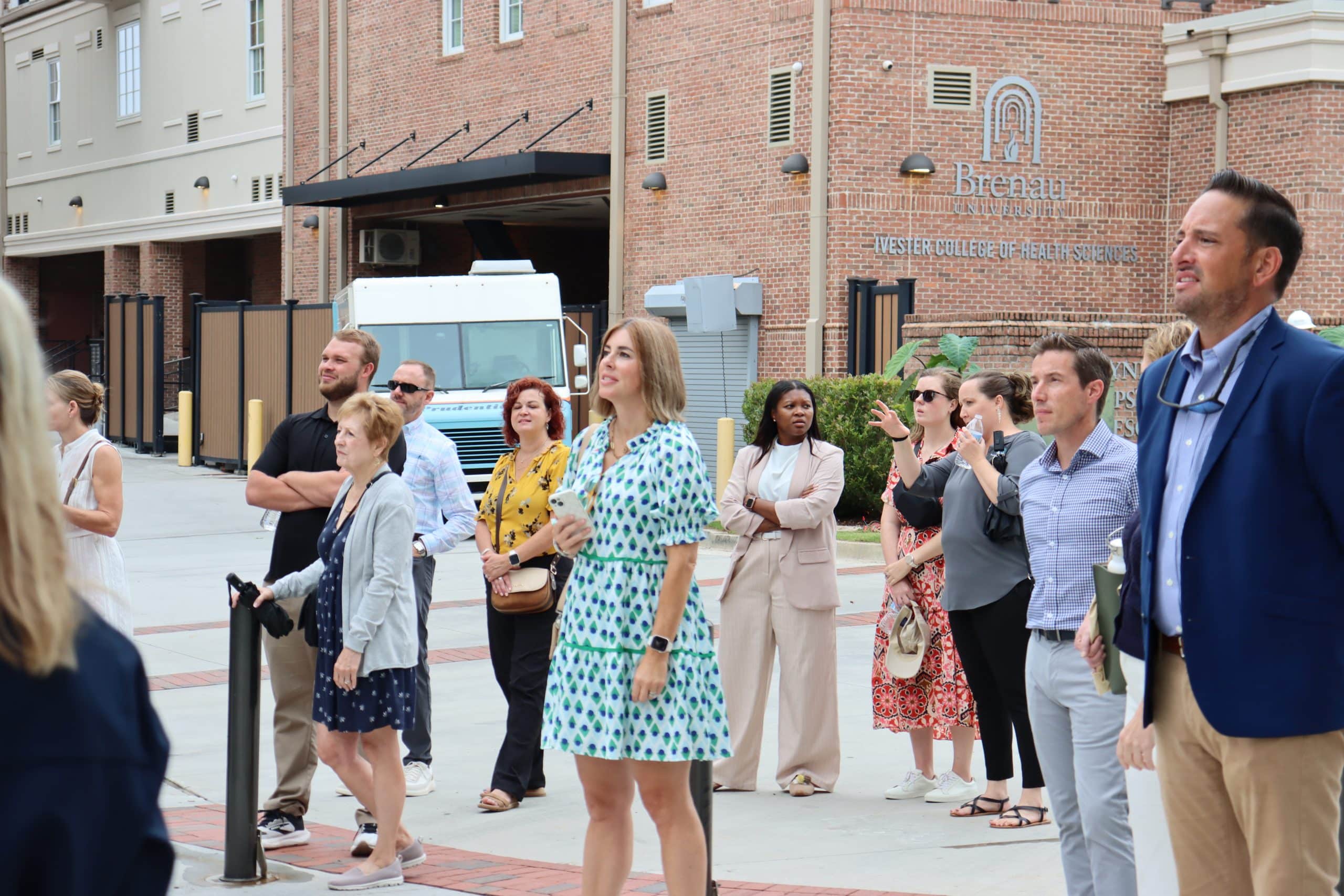
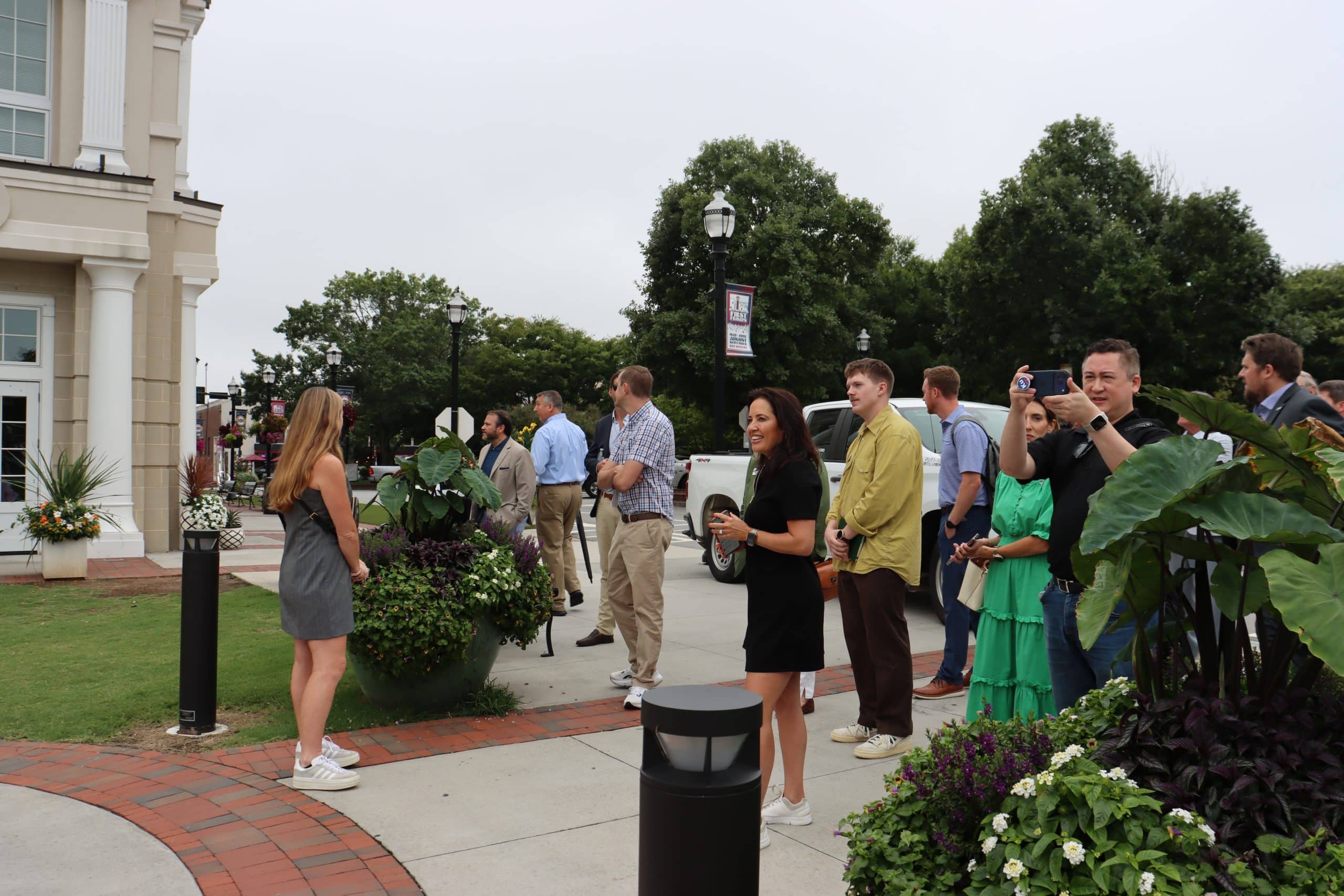
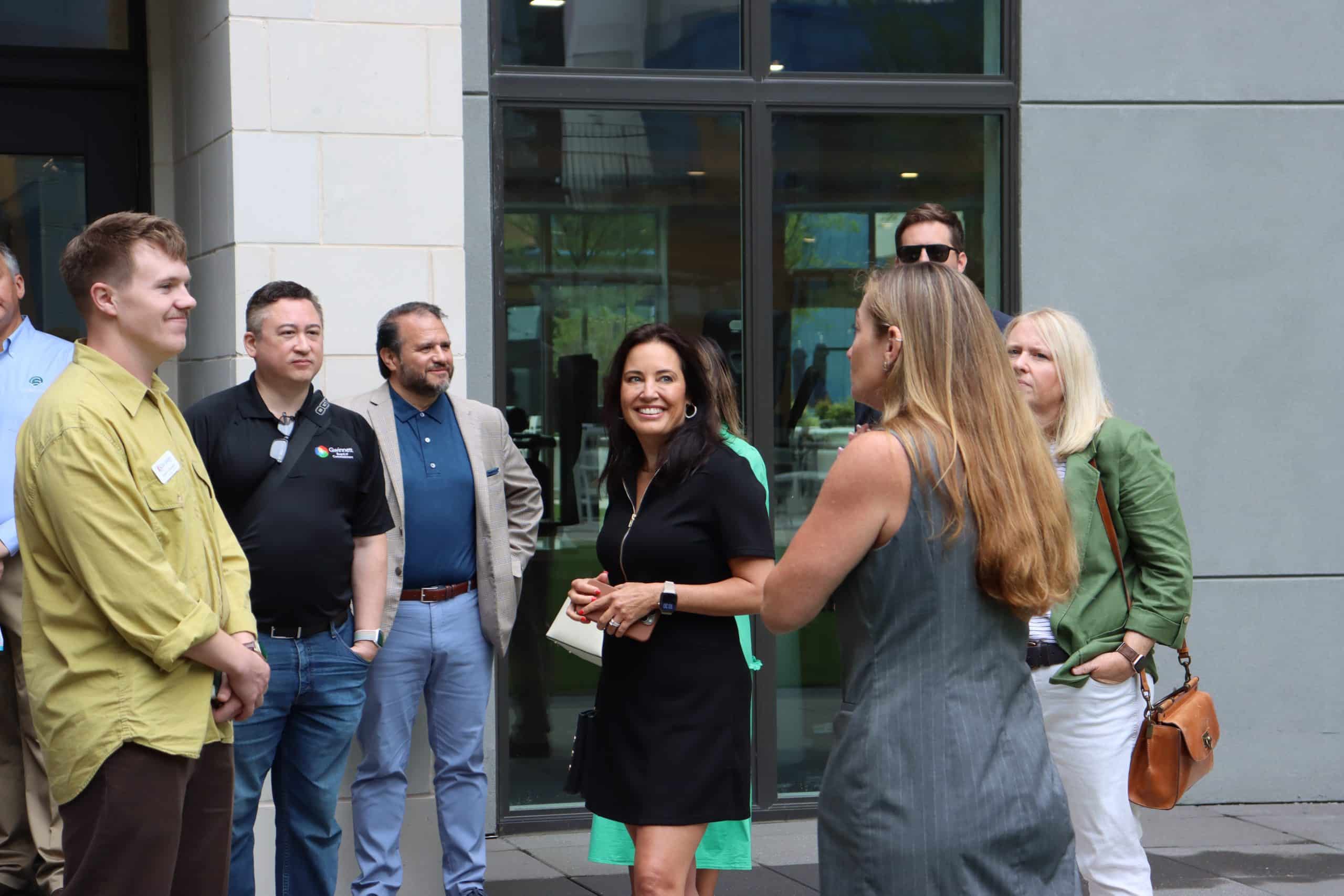
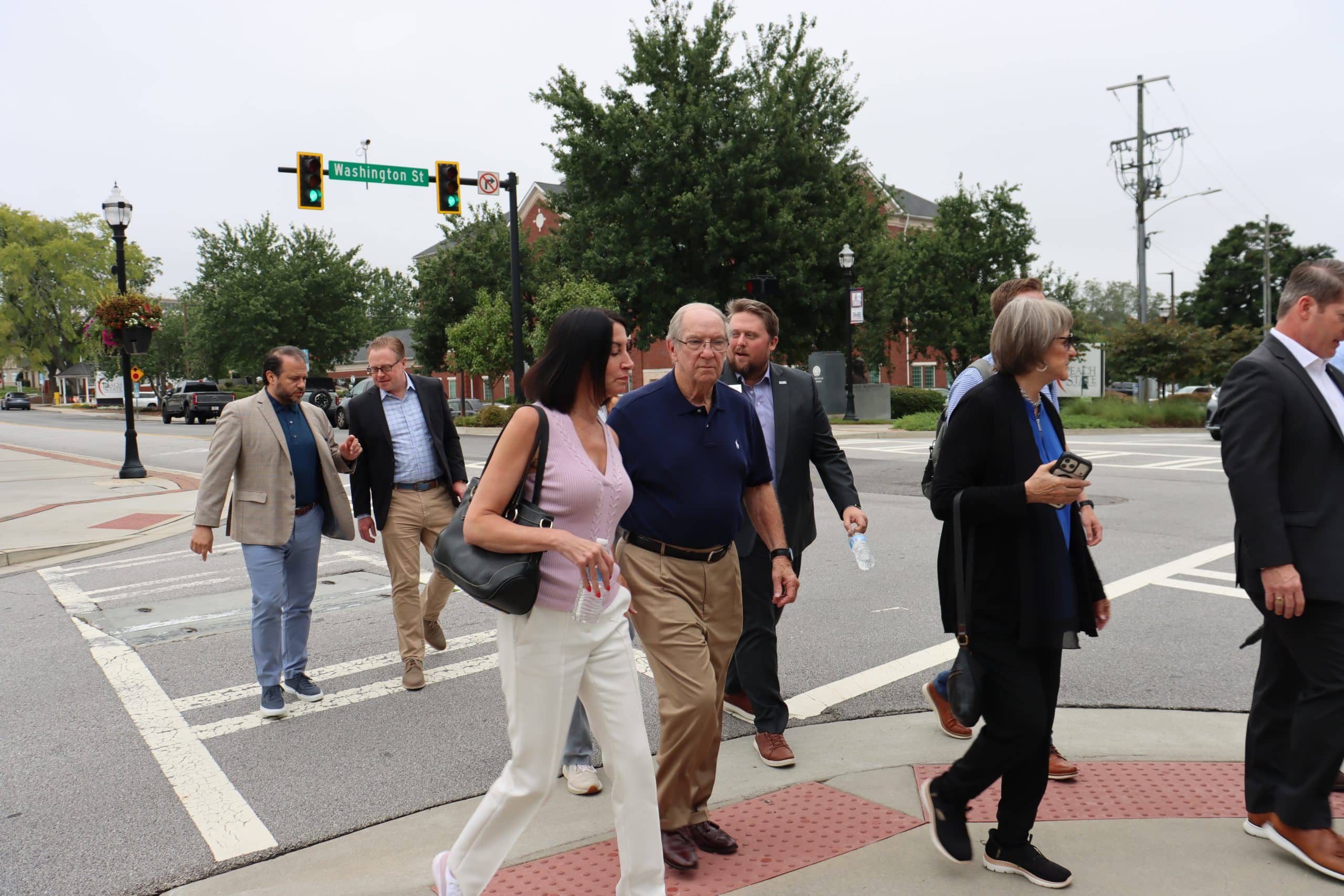
Participants got to see a behind the scenes of what was built through how it happened and what it took to get there.

#1 The Vault
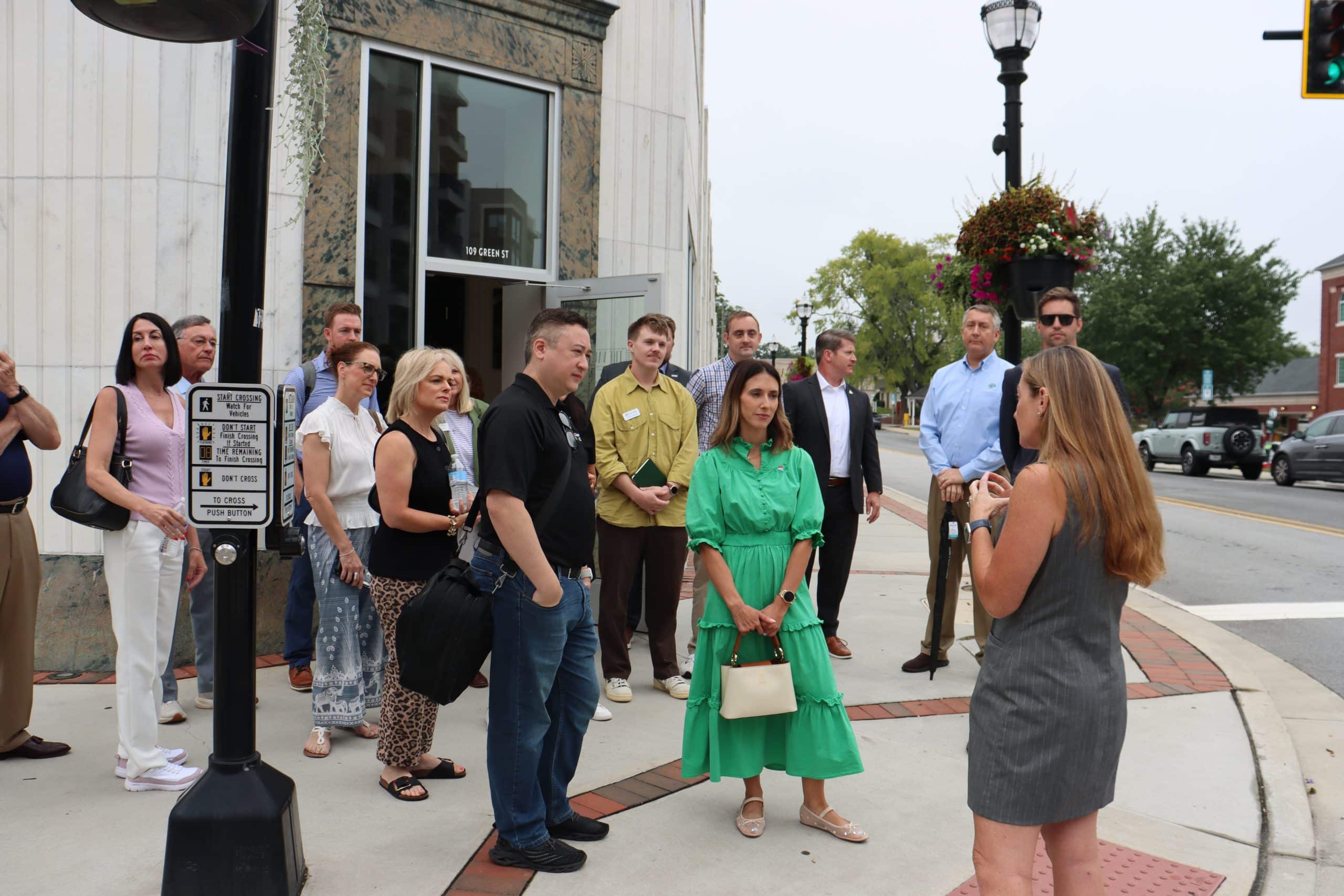
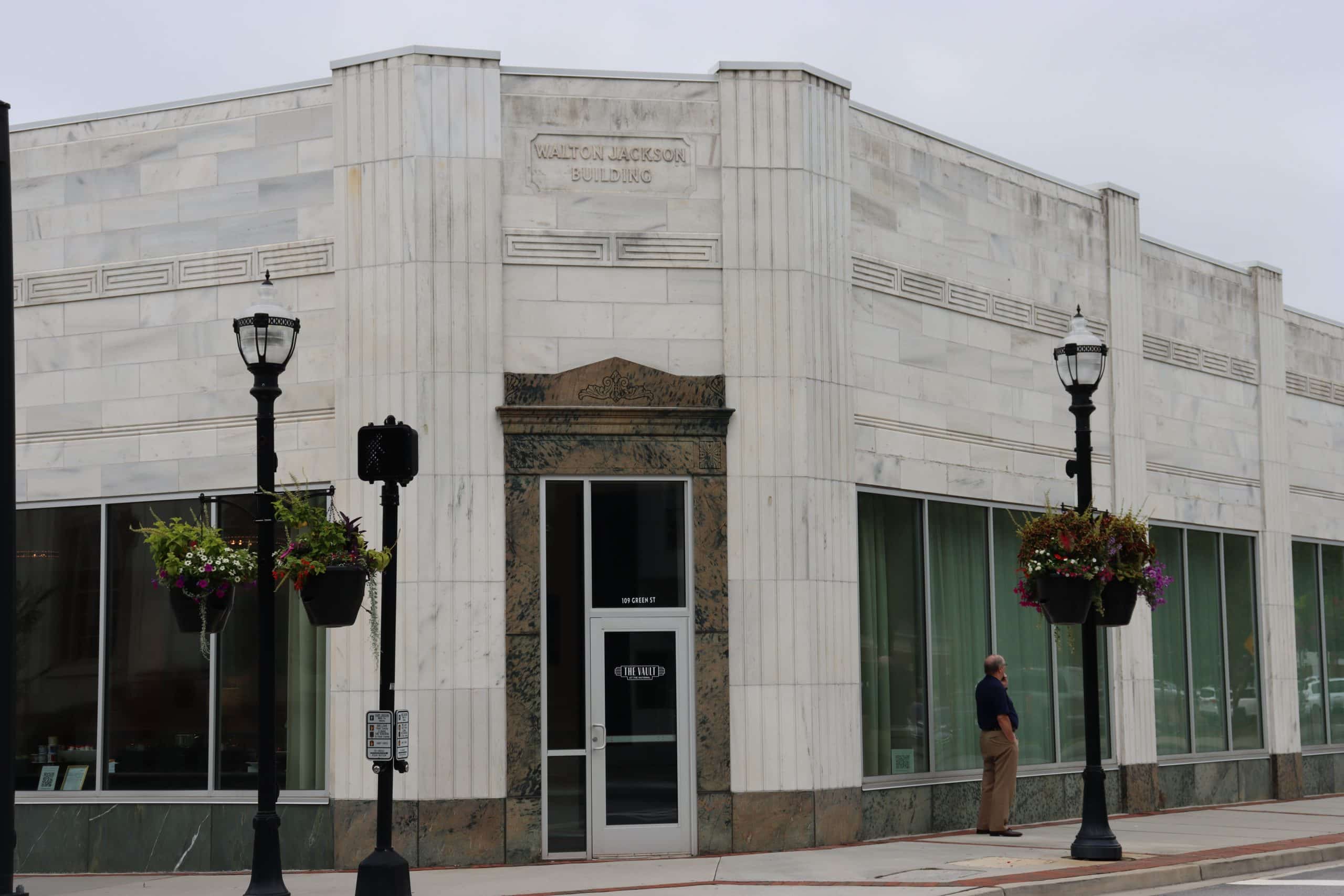
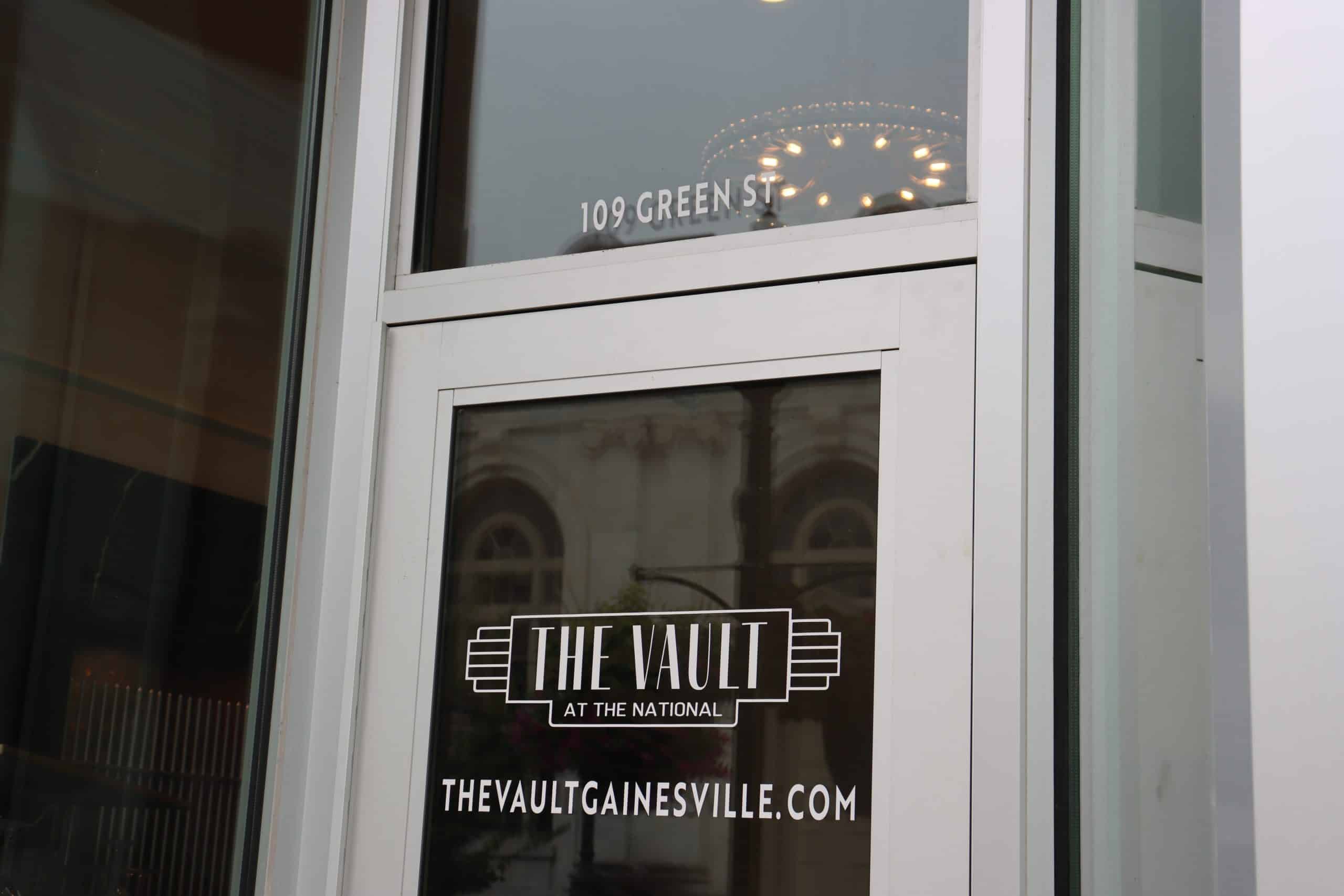
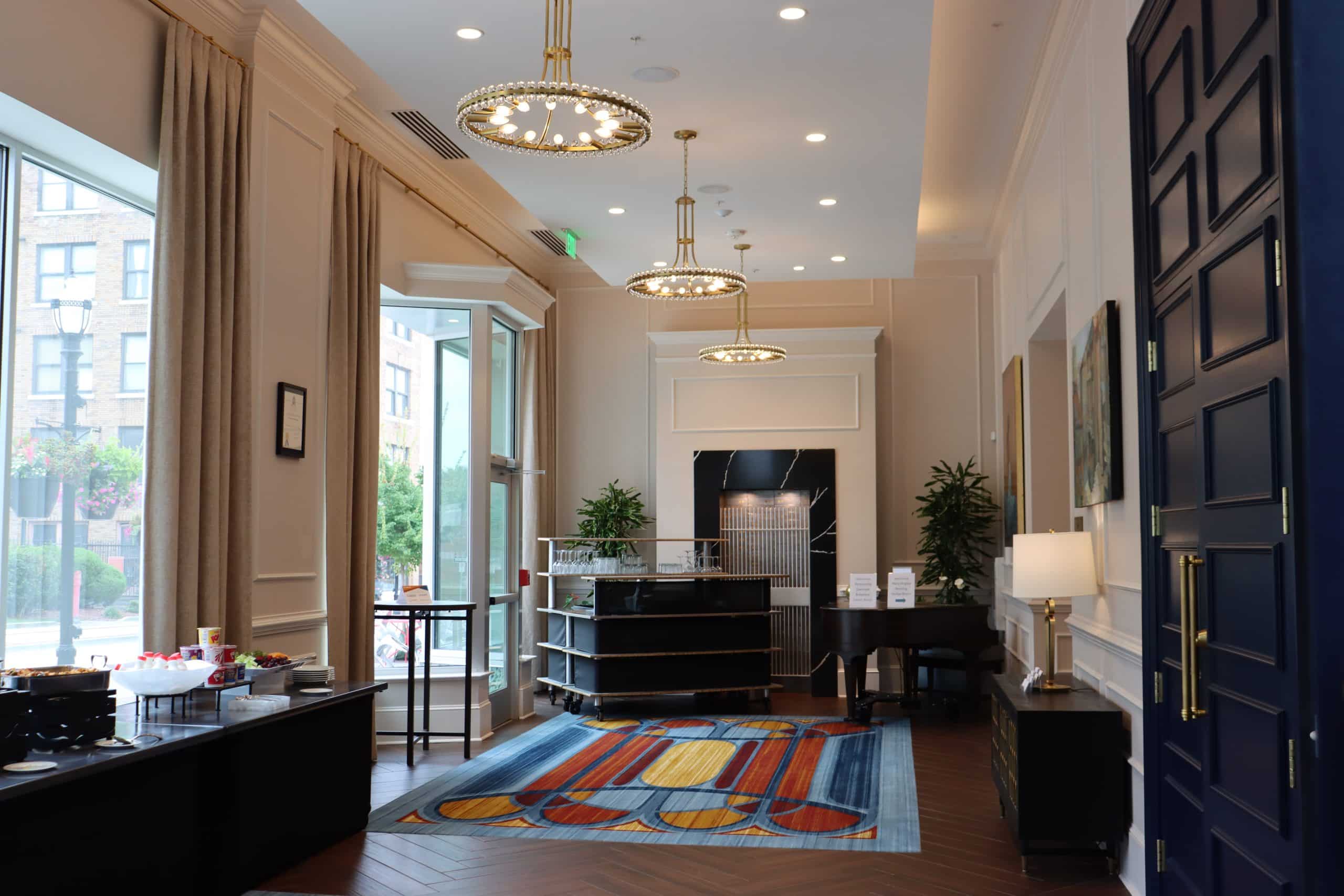
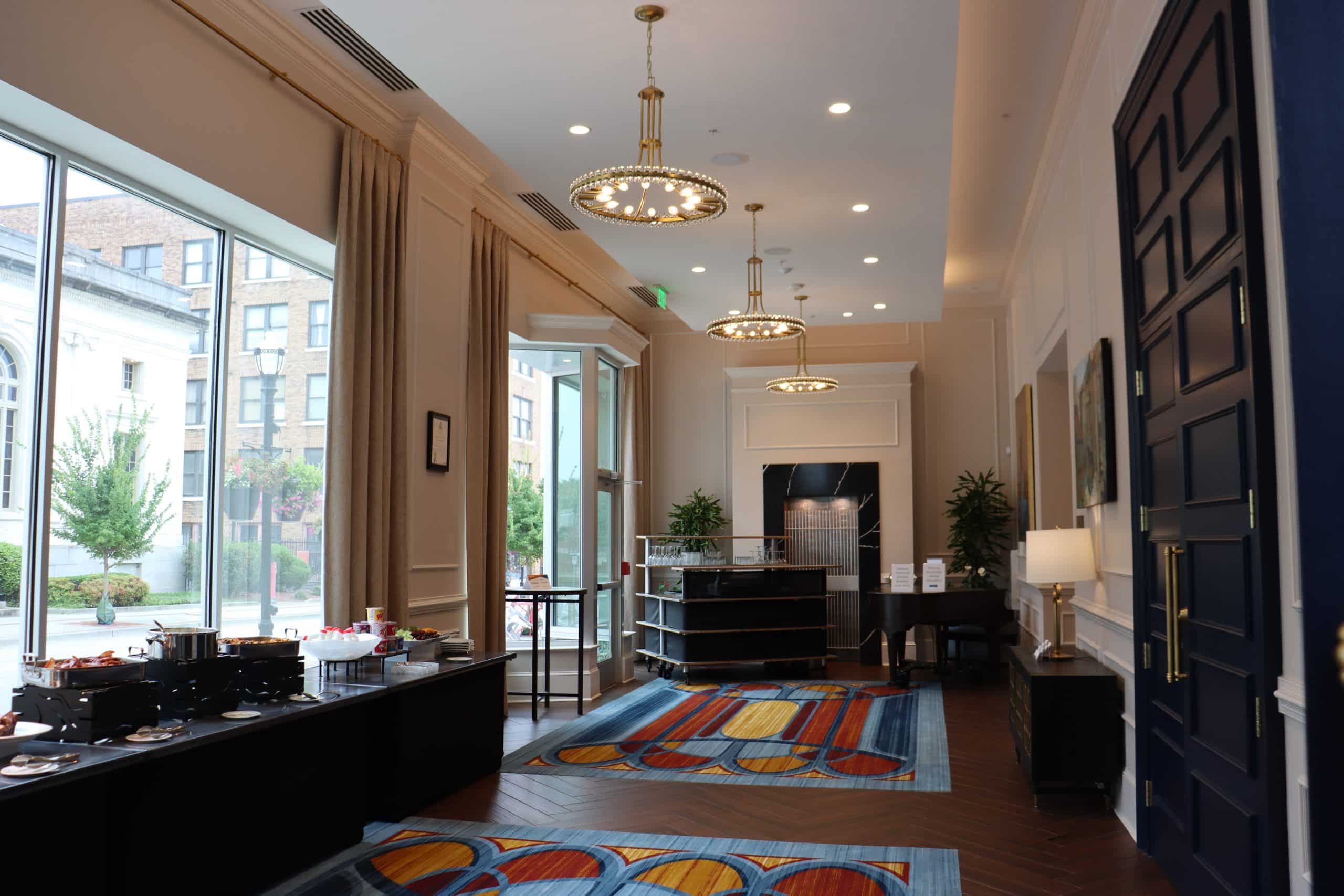
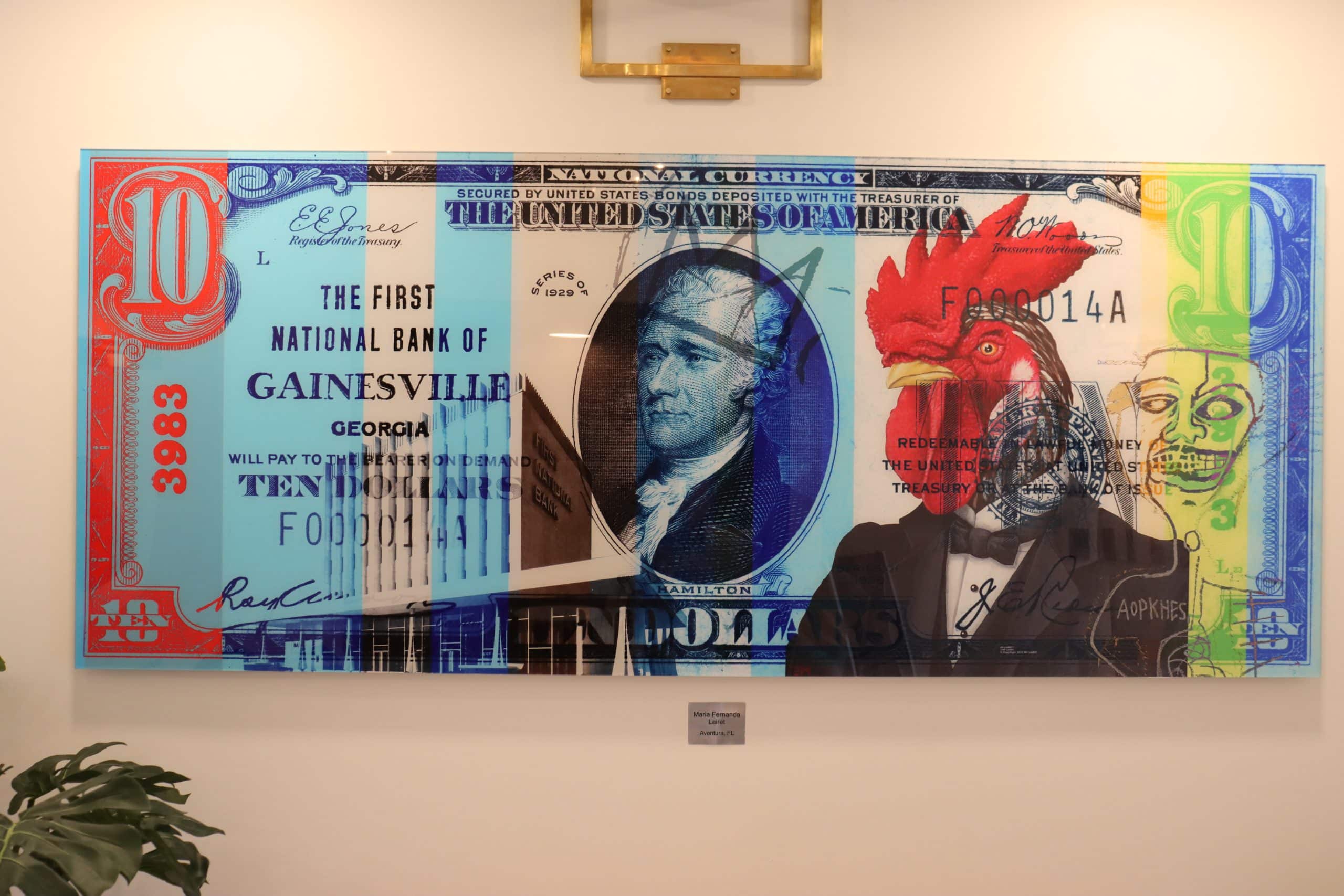
Some redevelopment projects begin with a blank slate. Others begin with a building that simply needs someone willing to see its potential. Our first stop on the 2026 Redevelopment Peer Tour brought us to The Vault, a historic Art Deco landmark that once sat vacant before being transformed into a vibrant mixed-use destination through historic tax credits and private investment. Today, the building stands as a powerful example of how preserving historic assets can create new economic opportunity while strengthening the character of a downtown district.
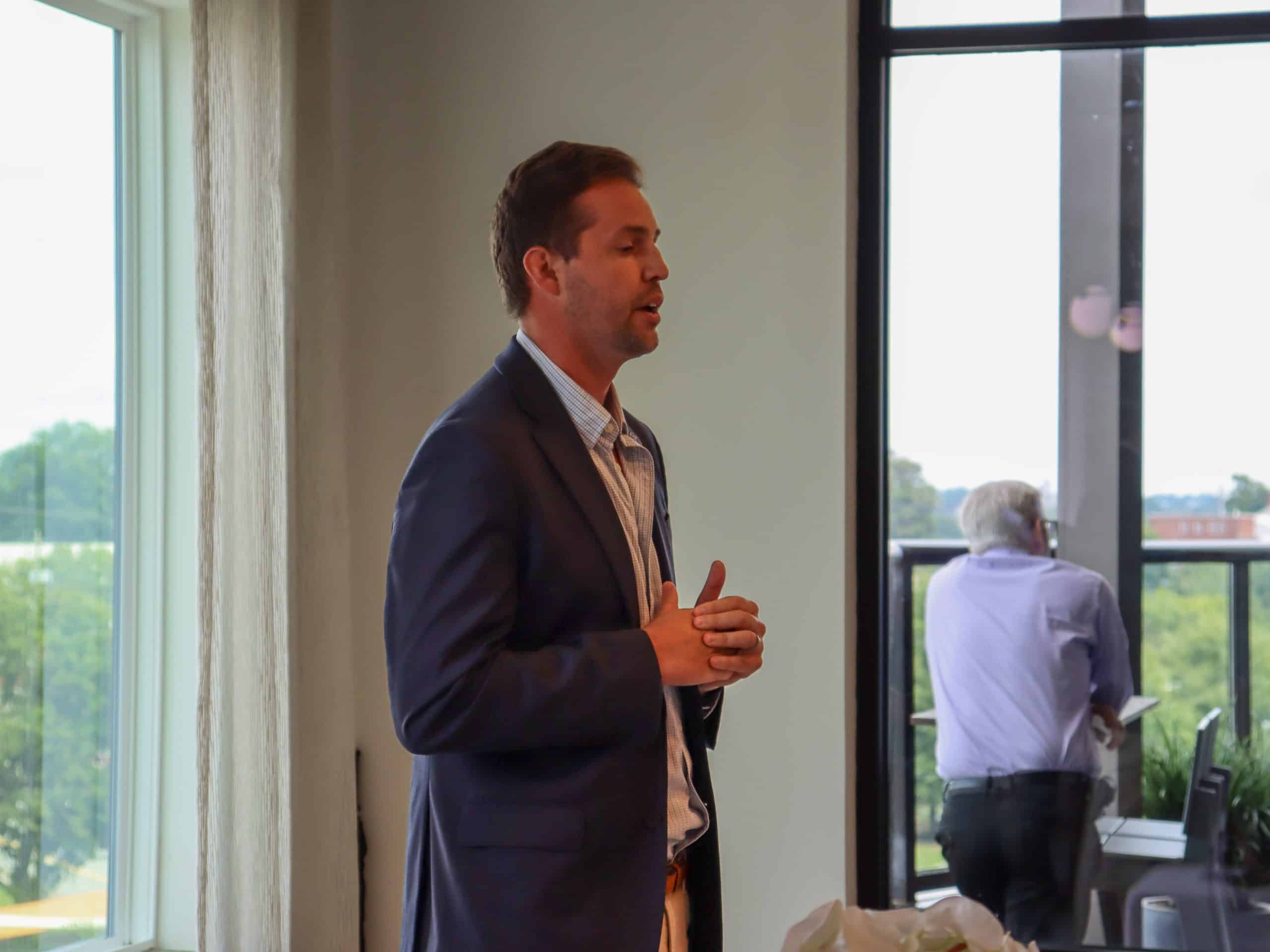
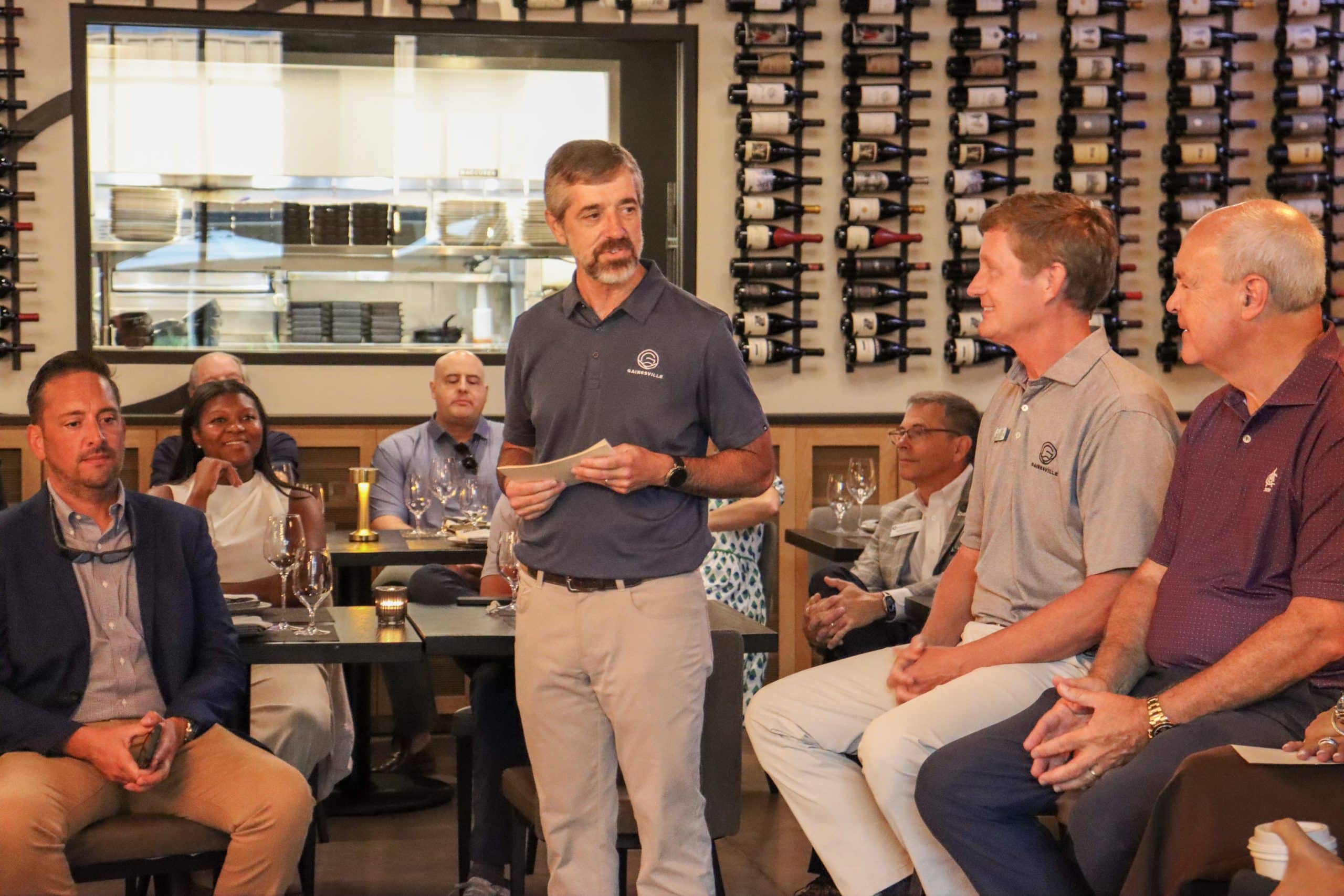
Inside The Vault, Gainesville’s leadership team shared the planning strategies that have quietly fueled downtown’s transformation for years. Tools such as Tax Allocation Districts (TADs), strategic land acquisition, site control, and parking infrastructure have helped the city prepare for redevelopment rather than simply waiting for opportunities to emerge.
Gainesville approved its first TAD project in 2009 and has since approved 31 projects. Those projects represent approximately $291 million in private investments. The taxable base has increased by 378% in 12 years and projects have generated more than $6.8 million dollars to support continued redevelopment. Parking was another major part of the conversation. Gainesville demonstrated how investing in structured parking can unlock additional density, support walkability, and create the capacity needed for restaurants, housing, hotels, and office development to thrive.
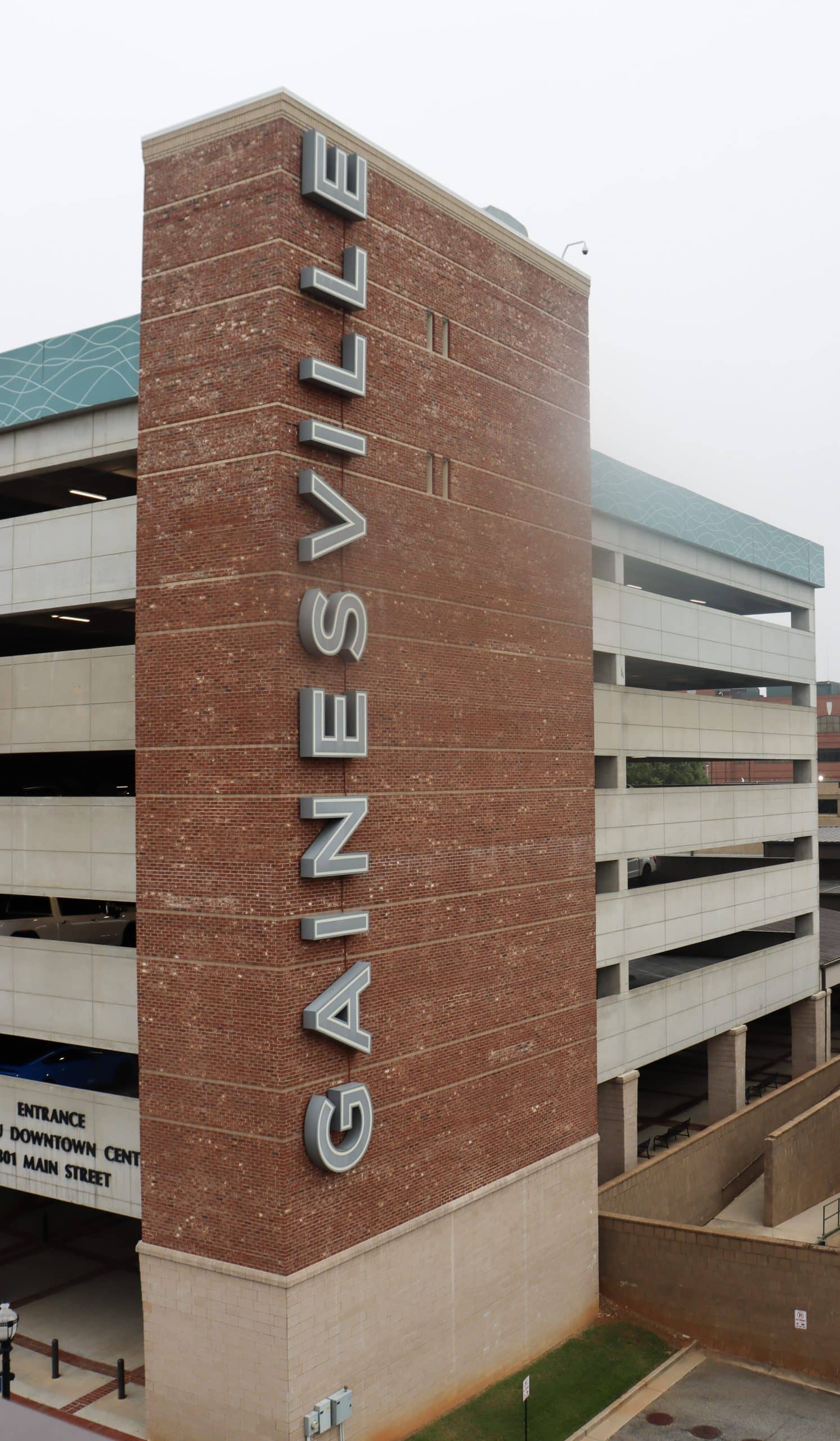
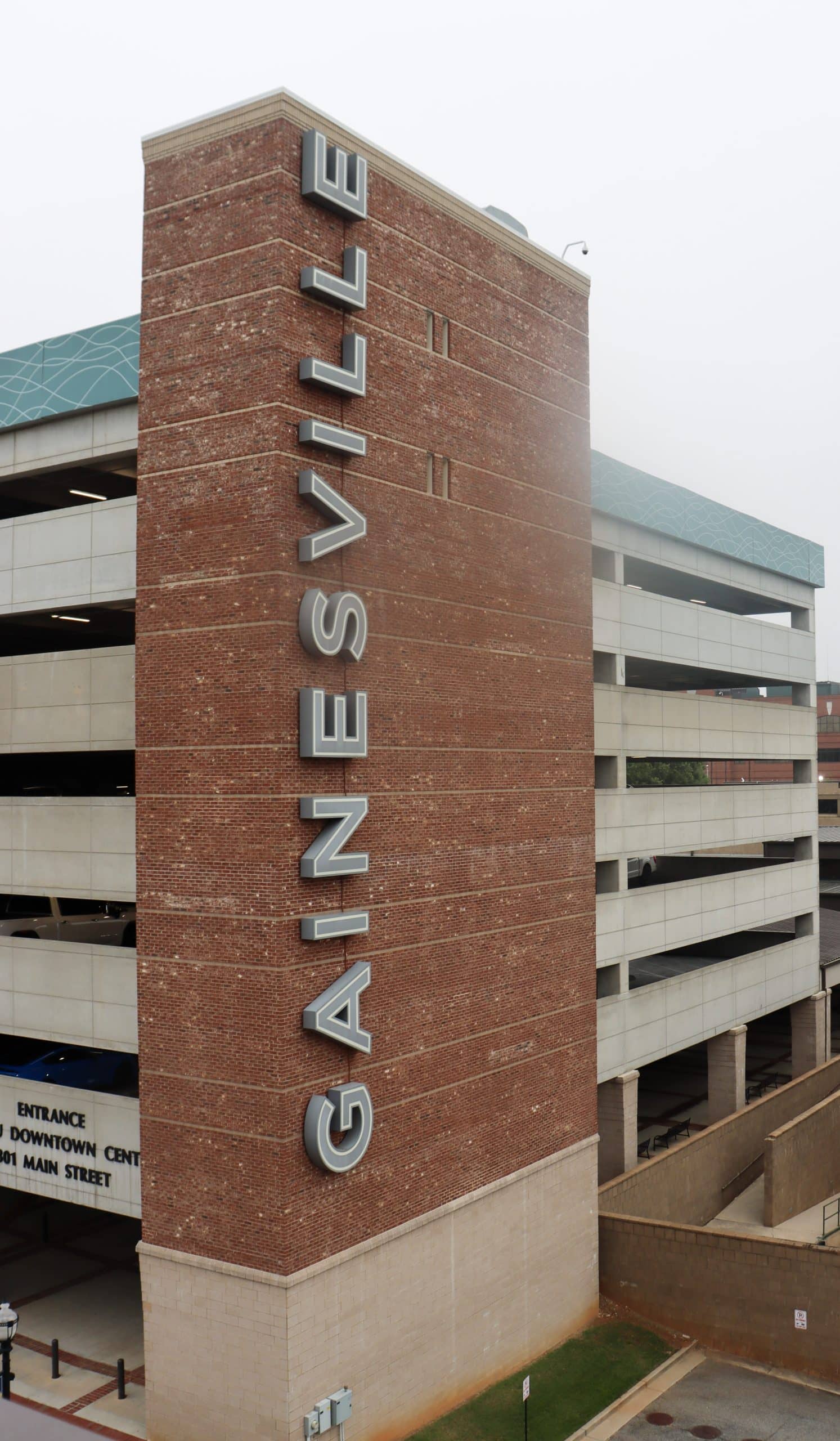
City leaders shared the story behind one of downtown’s newest parking decks, a project born from the strategic acquisition of a former insurance building on the edge of downtown. Recognizing that existing parking was concentrated on one side of downtown, Gainesville partnered with Hall County to invest approximately $9 million in a new parking deck, using SPLOST funding. The new parking deck can place around 410 cars but also serves as more than just a parking deck. Retail spaces have been included with plans for restaurants to open soon.
The broader lesson was that parking is fundamentally about walkability. Visitors are far more likely to explore downtown when parking is conveniently located near their destination. By distributing parking throughout downtown instead of concentrating it in one area, Gainesville has made it easier for people to transition from their vehicles to shops, restaurants, offices, and entertainment, strengthening both redevelopment efforts and the overall downtown experience.
The message was clear from the very first session. Redevelopment doesn’t begin when construction starts. It begins years earlier by creating the conditions that make private investment possible.

#2 CHR Steak
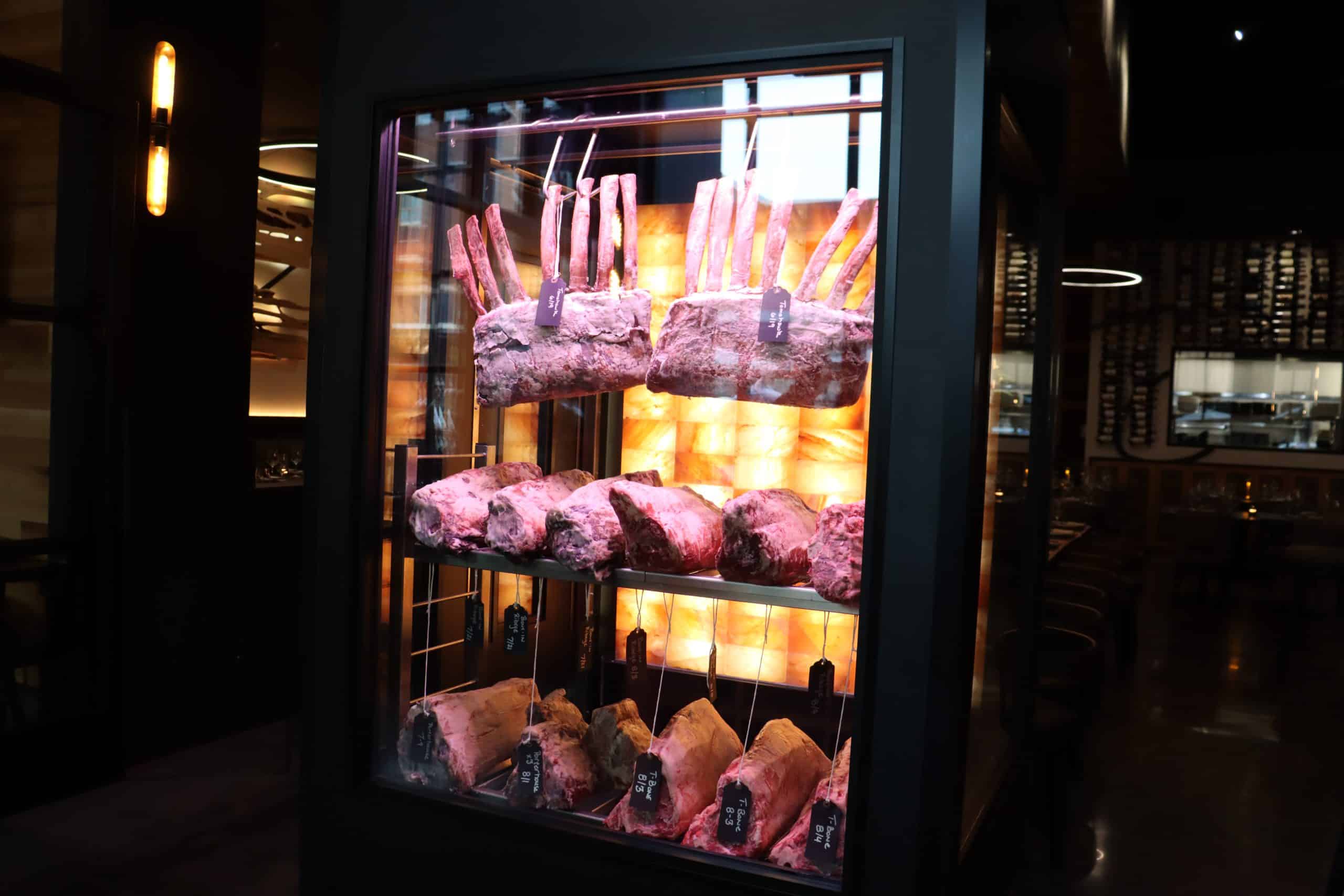
Our second stop took us to CHR STK, a premier restaurant that serves as the anchor tenant of a five-story mixed-use development in the heart of downtown Gainesville. While visitors may immediately notice the vibrant streetscape and bustling dining scene, the story behind the project begins with a much larger investment.
Before private developers committed to the site, the City of Gainesville invested more than $14 million in public infrastructure improvements, including expanded utilities, wider sidewalks, upgraded lighting, enhanced landscaping, and stronger pedestrian connections. Those investments created the foundation necessary for new mixed-use development and transformed the surrounding district into an attractive destination for businesses, residents, and visitors alike.
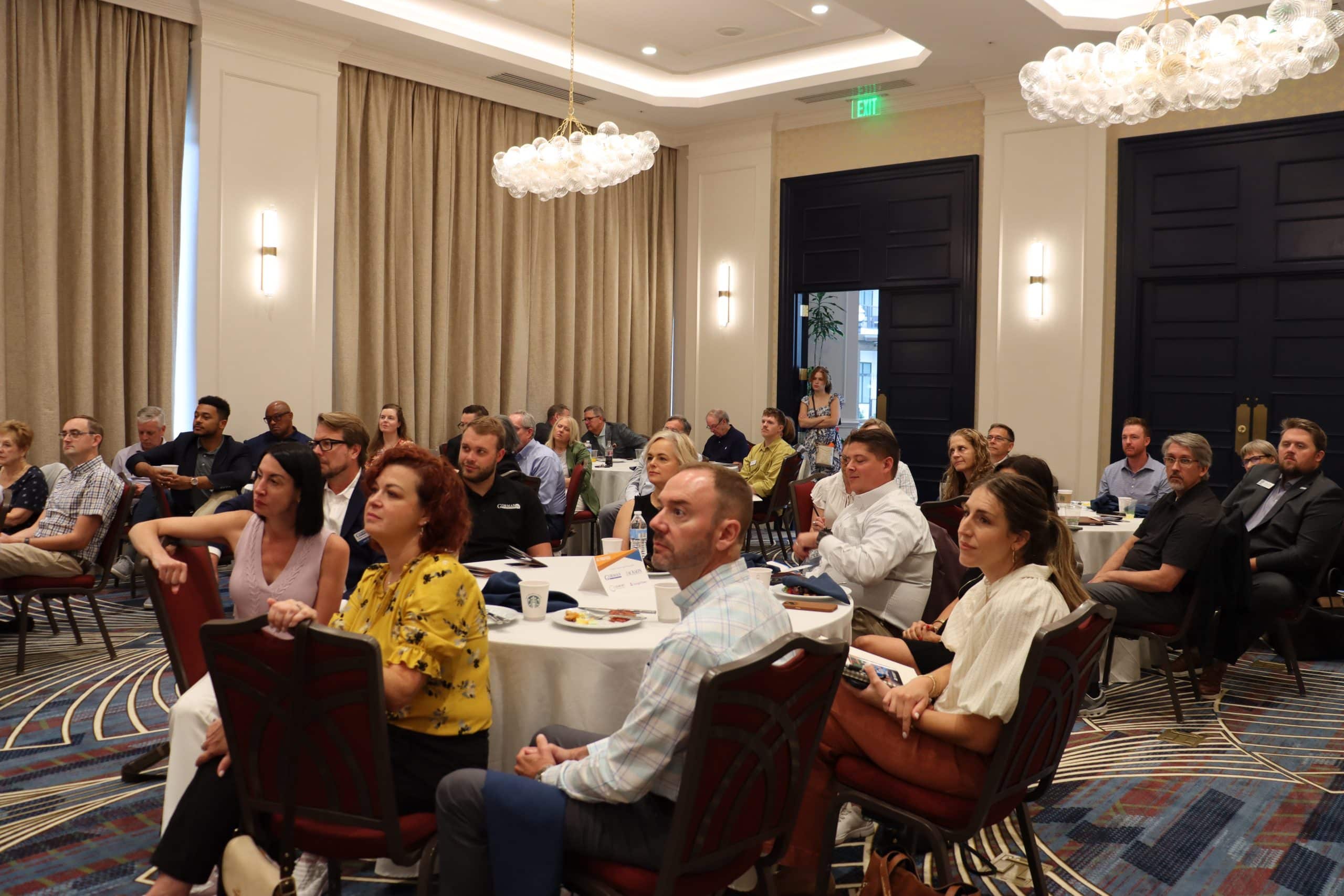
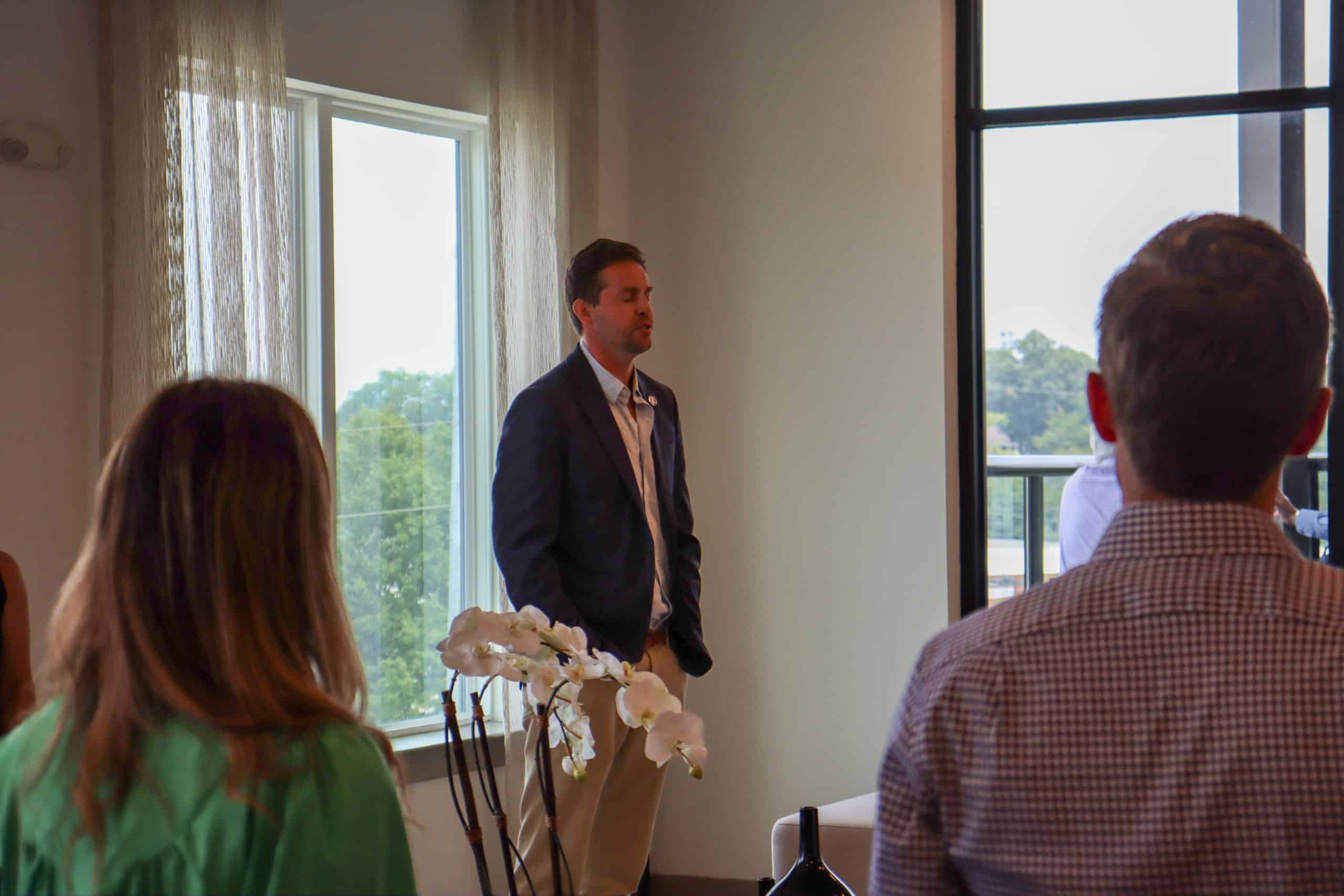
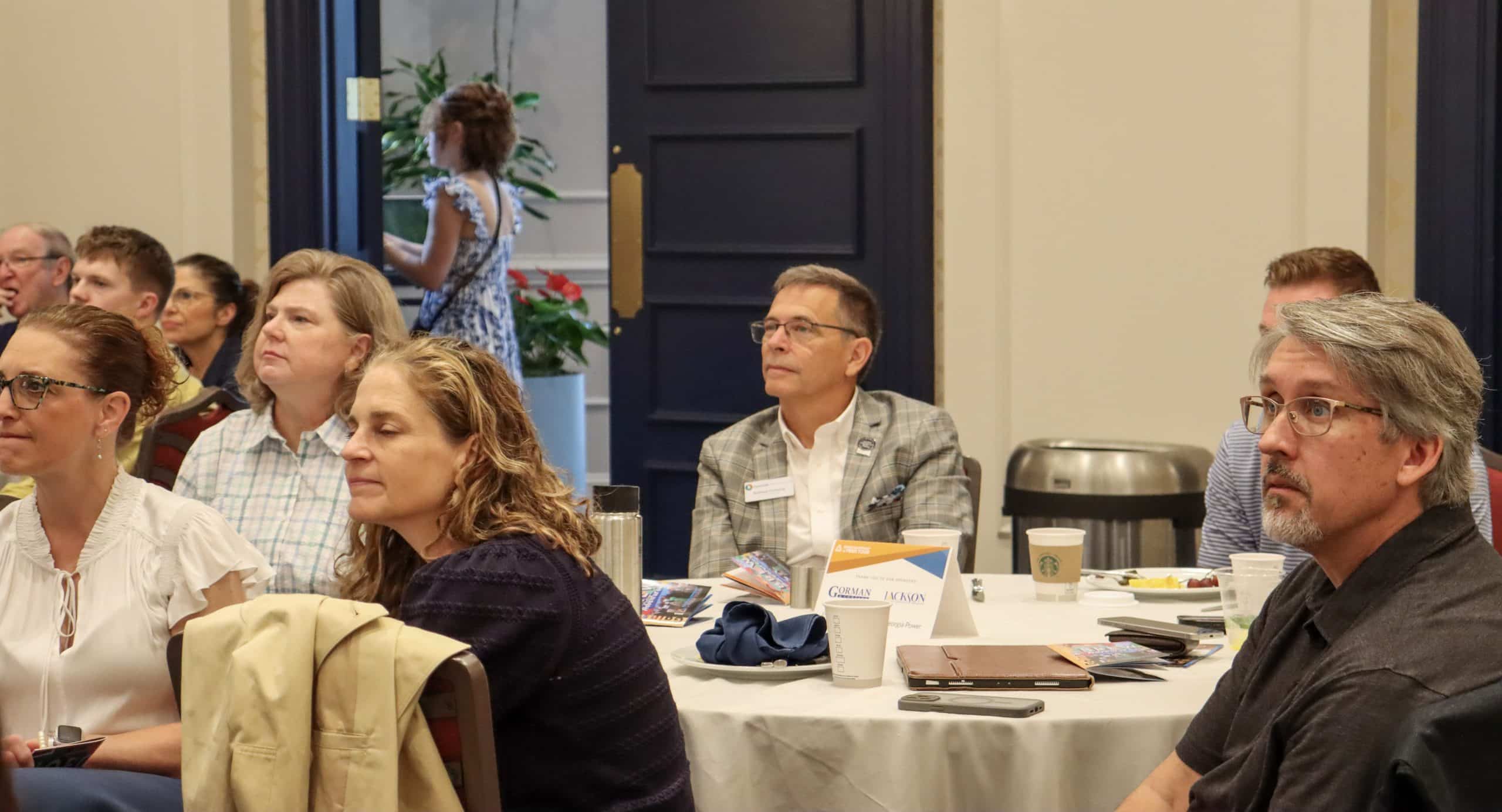
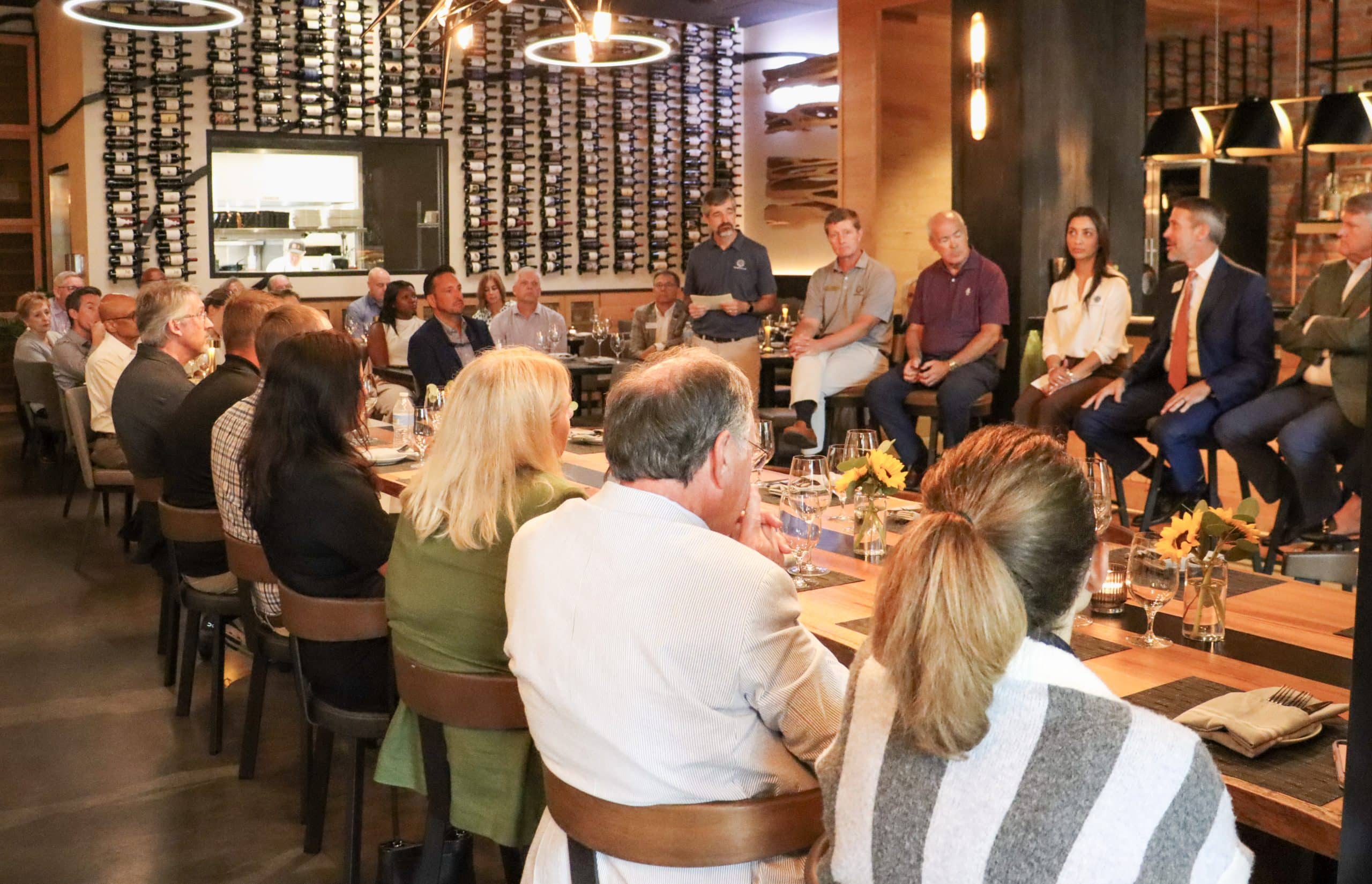
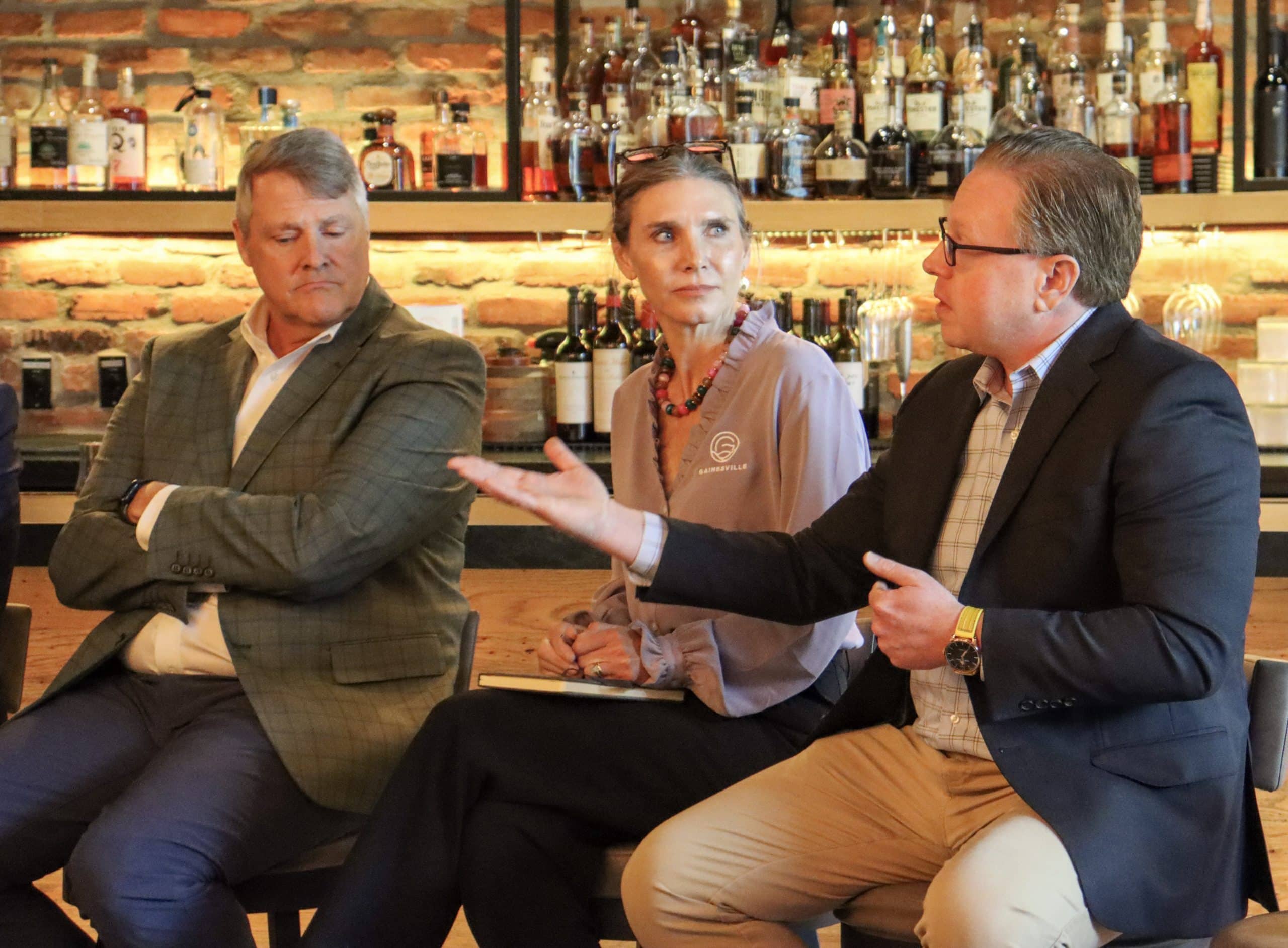
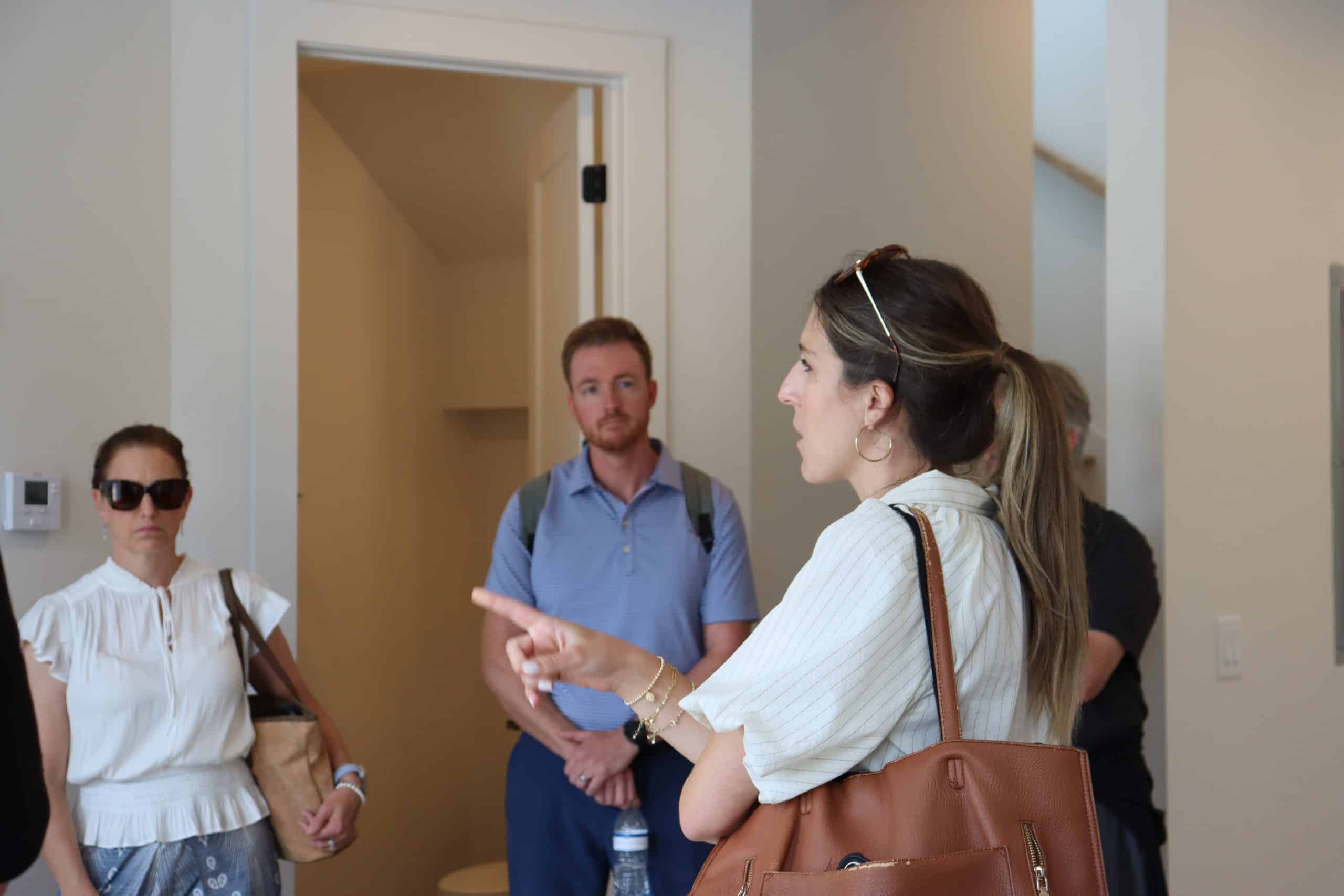
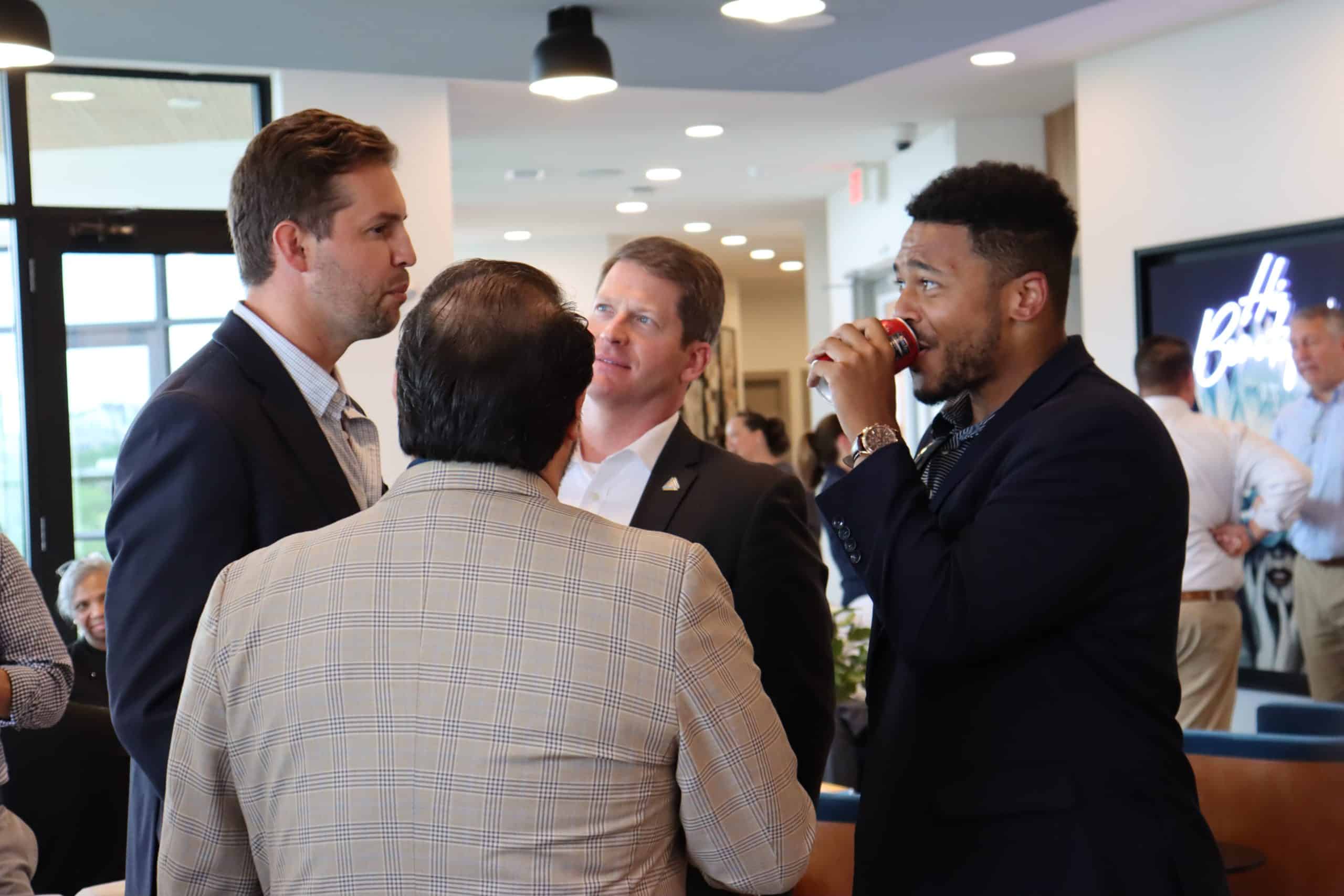
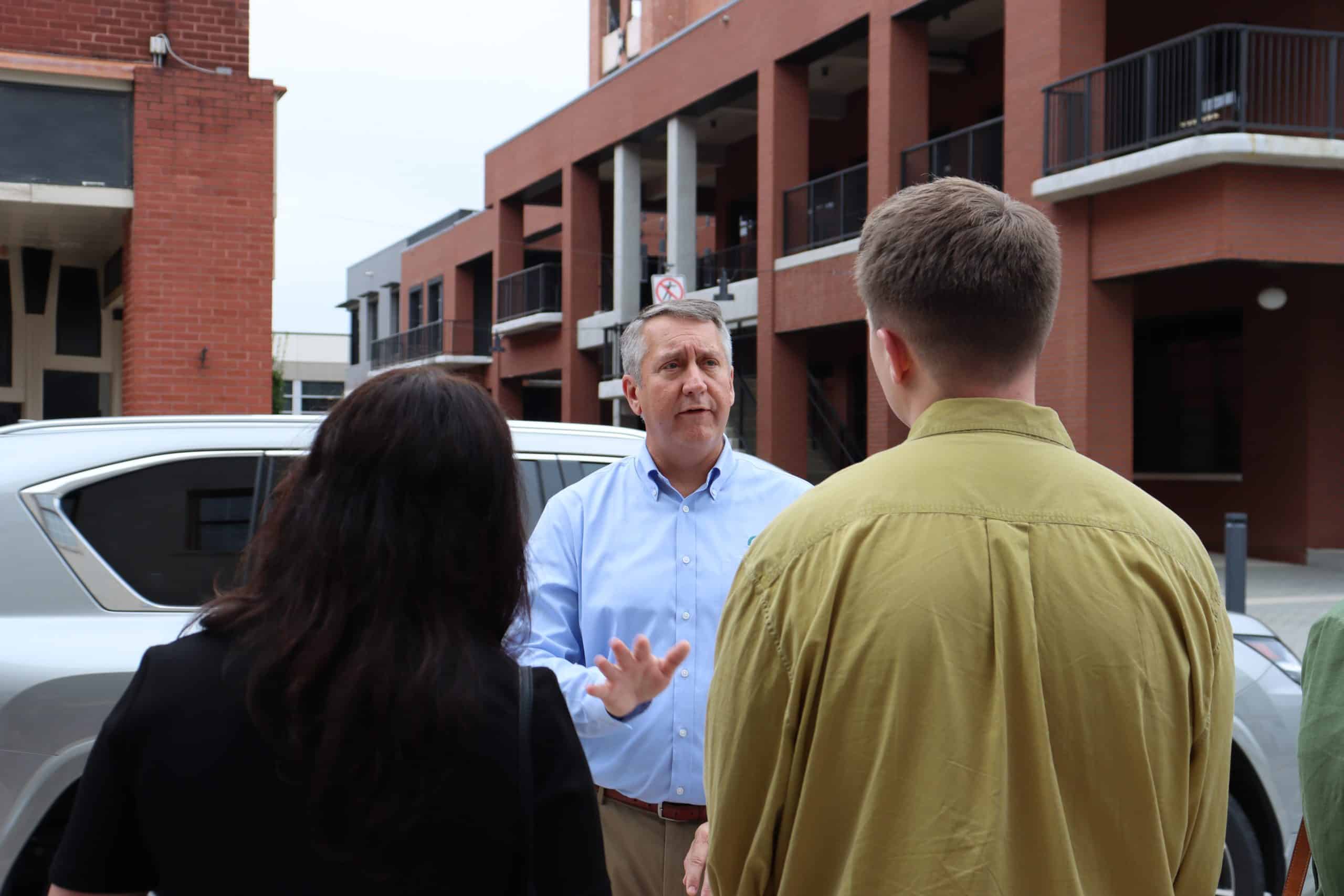
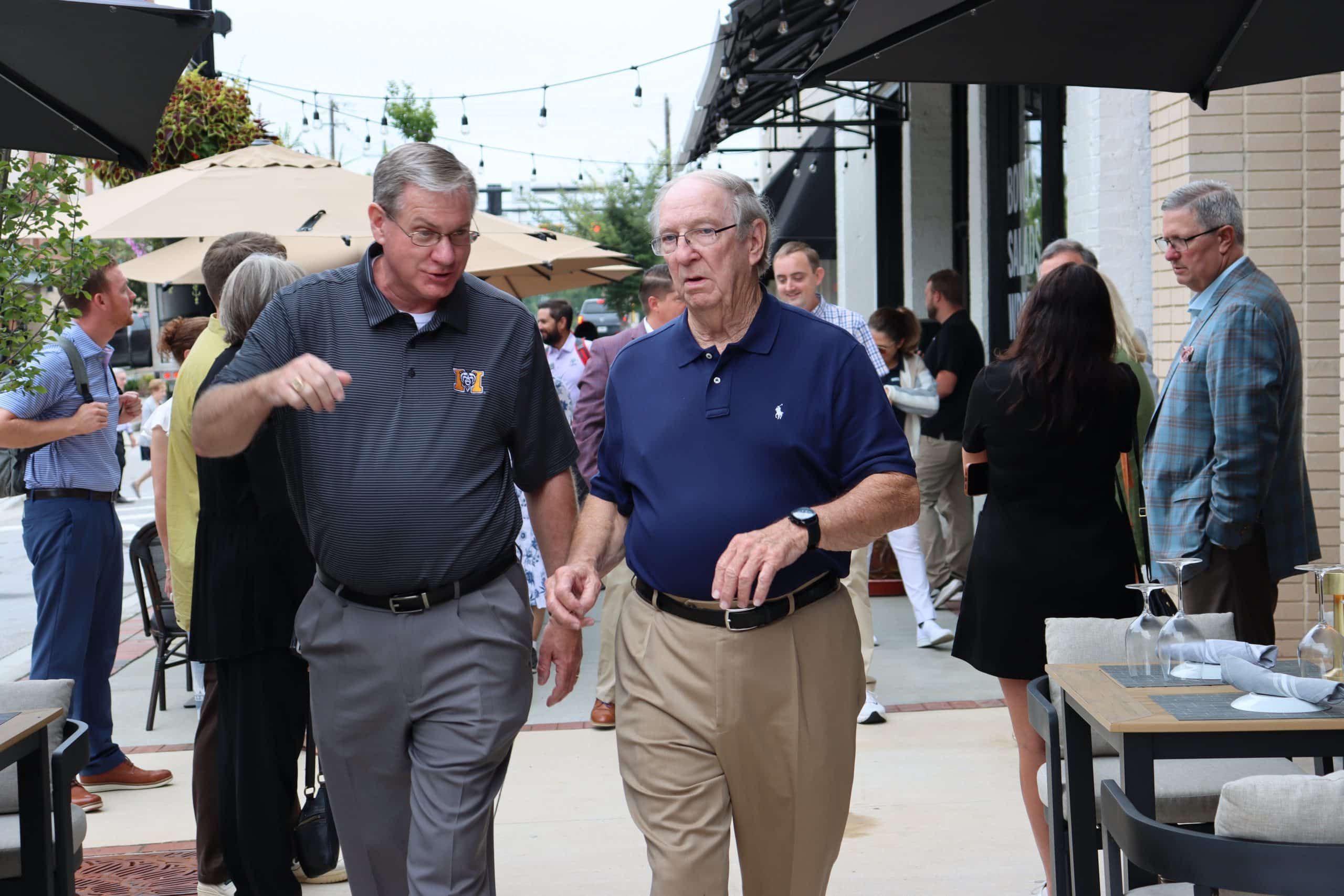
During a panel discussion featuring elected officials, developers, Hall County leadership, and community stakeholders, participants explored the collaborative approach that has guided Gainesville’s redevelopment efforts. Conversations centered on how relationships have enabled redevelopment to succeed. Leaders reflected on a time when collaboration between Hall County and its cities were often strained. Establishing quarterly meetings created opportunities to build trust, align priorities, and reinforce how a thriving downtown Gainesville benefits the entire county.
The discussion also highlighted the importance of bringing every stakeholder to the table. Local governments, developers, business leaders, and community organizations have worked together to advance a shared vision, making public-private partnerships more effective and creating confidence that projects will move forward.
Another recurring theme was the value of investing in connections. Investments in trails and public infrastructure reconnected neighborhoods to businesses, services, and public spaces, signaling long term commitment and encouraging developers to pursue new housing and commercial projects nearby.
The city has also prioritized streetscape improvements and public gathering spaces that make downtown feel more welcoming, comfortable, and safe. Sidewalks, lighting, landscaping all make spaces feel more welcoming, and encourage families to spend more time downtown, making Gainesville a place where people want to live and work.
One theme echoed throughout the discussion: Successful redevelopment doesn’t happen when the public or private sector works alone. It happens when both are willing to invest in a shared vision.
One of our group’s greatest takeaways from this session? Public infrastructure often serves as the catalyst that gives private investors the confidence to build.

#3 Housing, Connectivity, and Creating Places People Want to Live
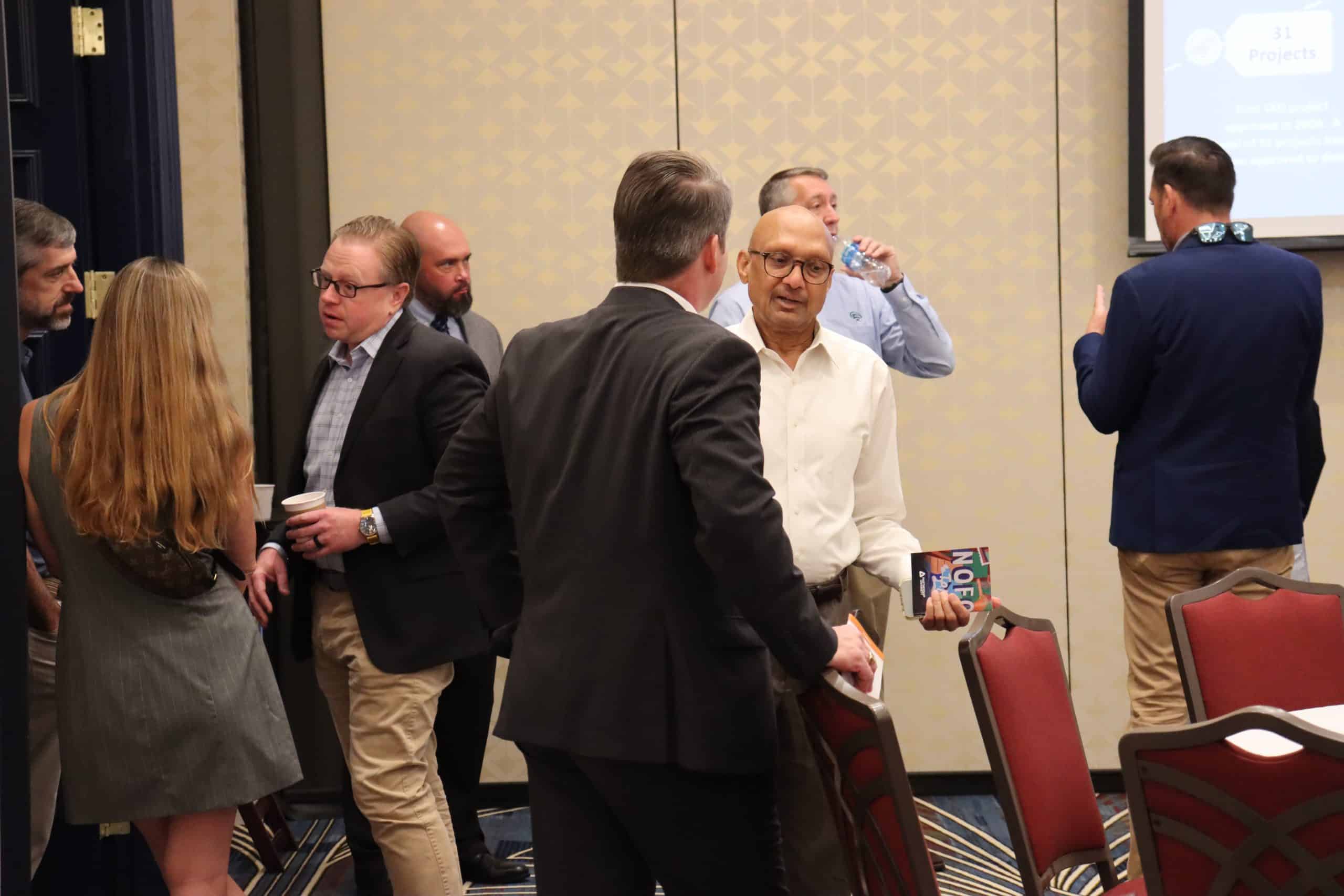
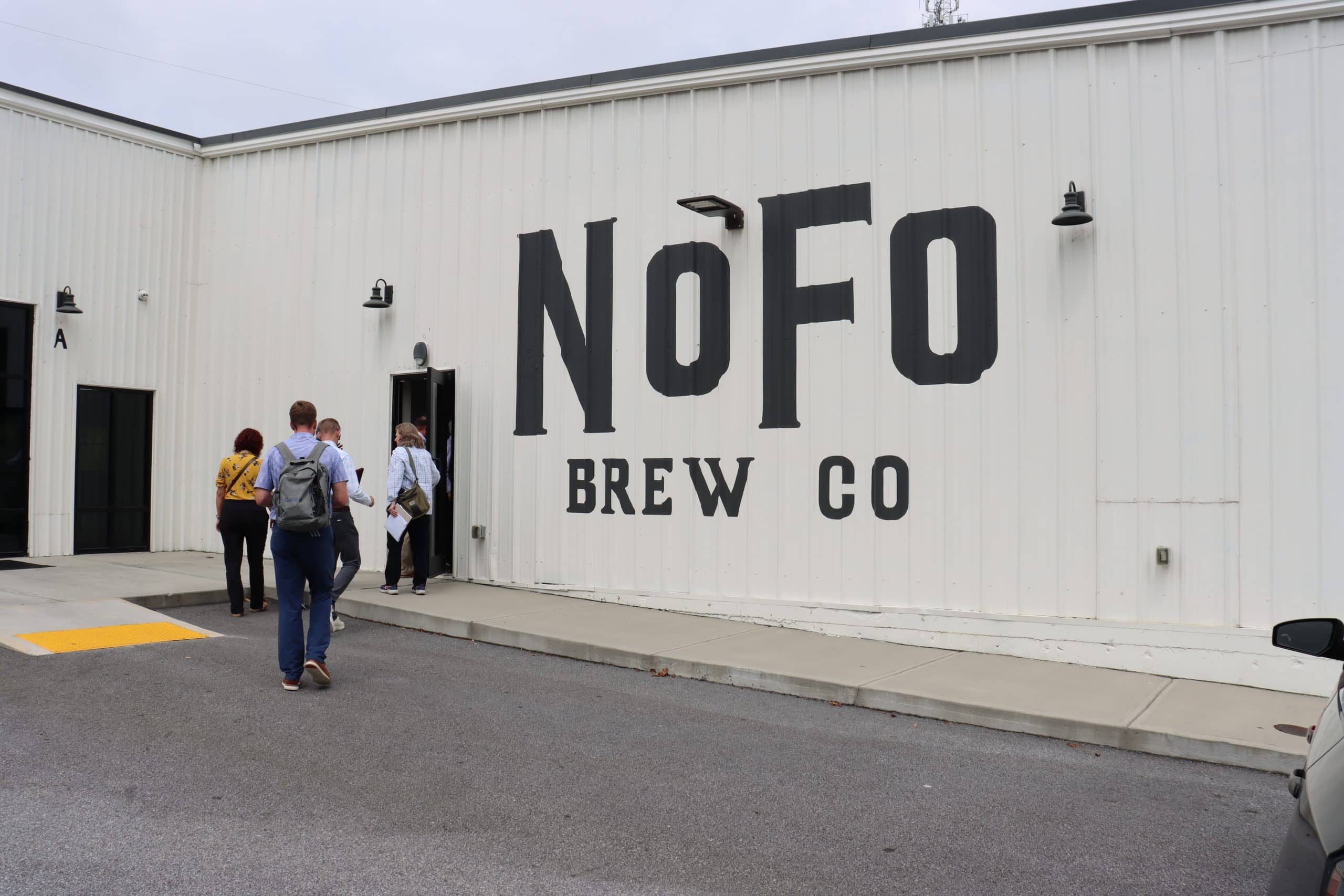
Our next stop highlighted how Gainesville has intentionally paired housing, commercial development, and public amenities to create a more vibrant and connected downtown. The afternoon began at NoFo Brew Co., where participants discussed Gainesville’s approach to residential growth, neighborhood development, and trail connectivity before stepping outside to experience those investments firsthand.
NoFo Brew Co. itself tells an important redevelopment story. Once an industrial warehouse, the building has been transformed into a vibrant destination along the Midland Greenway, bringing new commercial activity to an area that was once underutilized. Rather than standing alone, the brewery now serves as a gathering place that helps connect downtown with surrounding neighborhoods and future development.
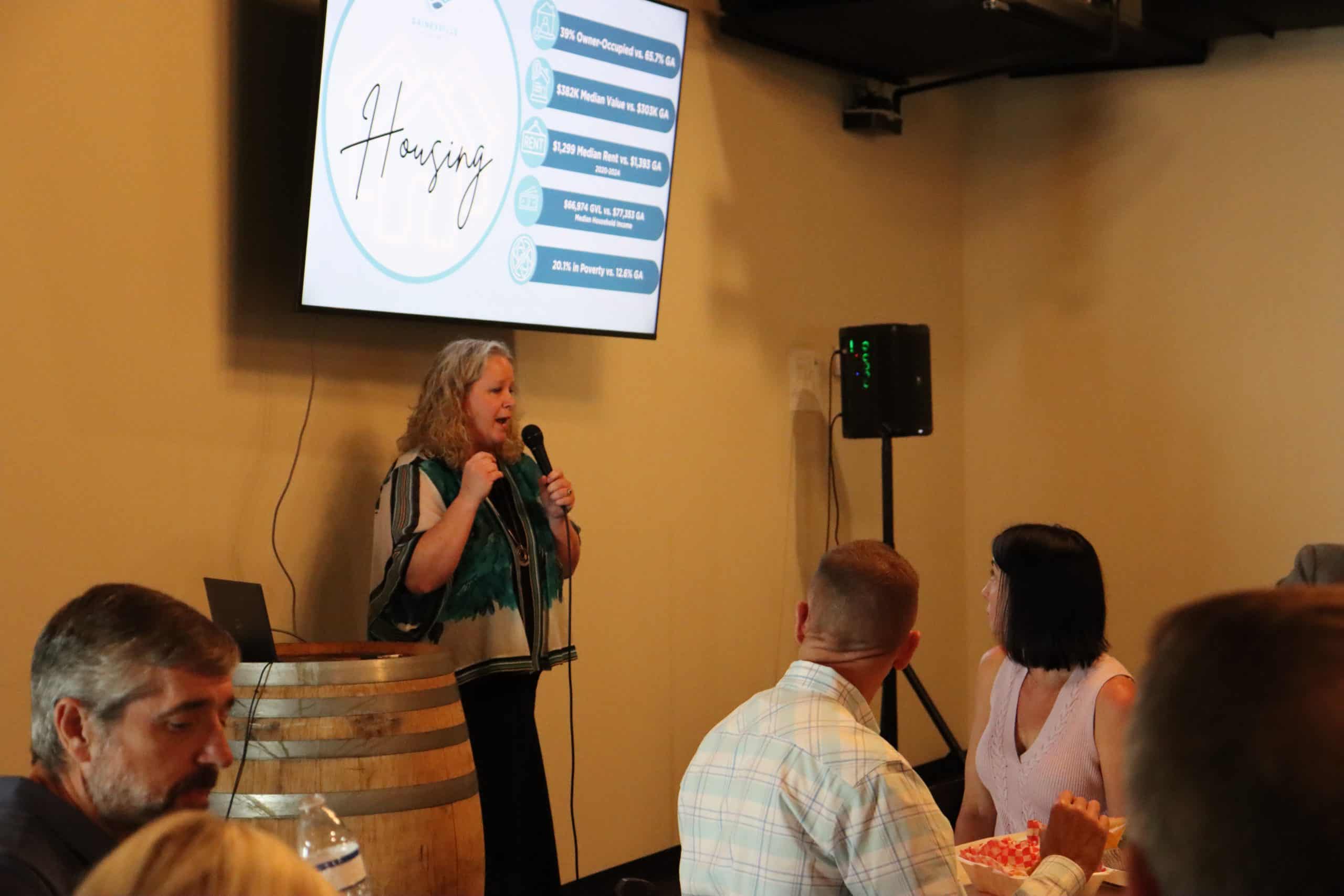
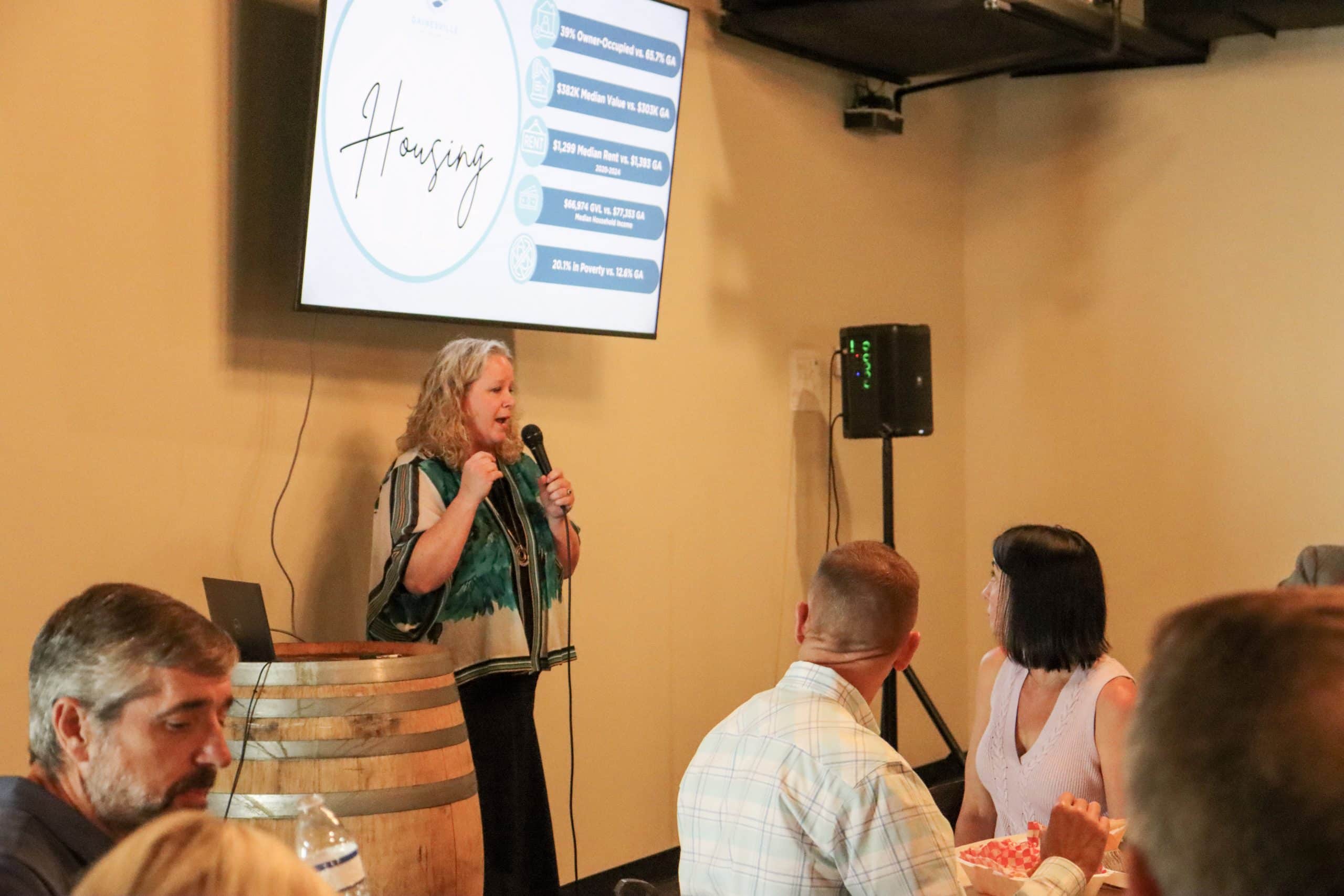
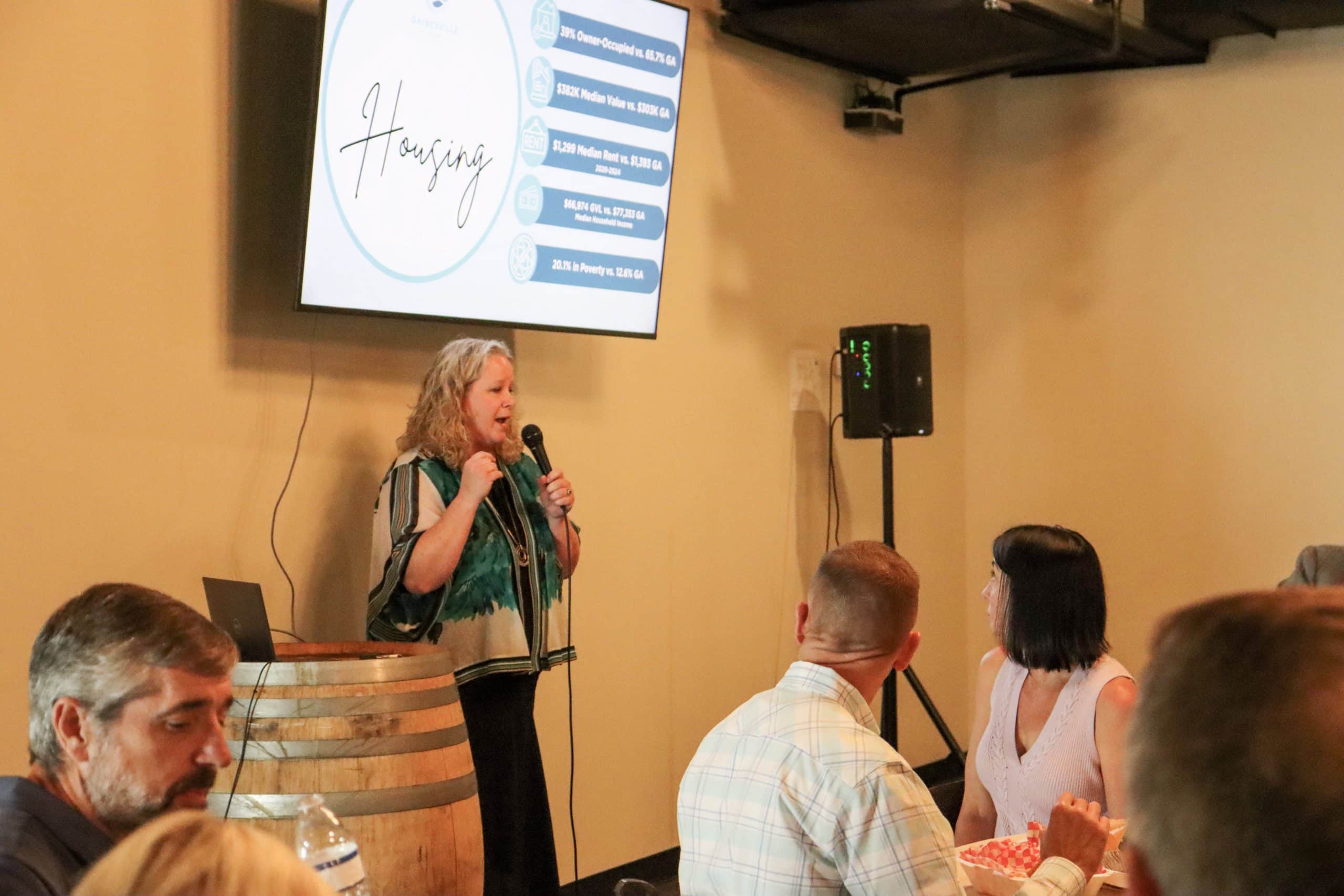
Housing was a central focus of the discussion. Gainesville has responded to growing demand for downtown living by encouraging a mix of housing types at various price points in the downtown area. While approximately 39% of Gainesville’s housing is owner-occupied compared to nearly 66% statewide, city leaders see increasing home ownership as a priority.
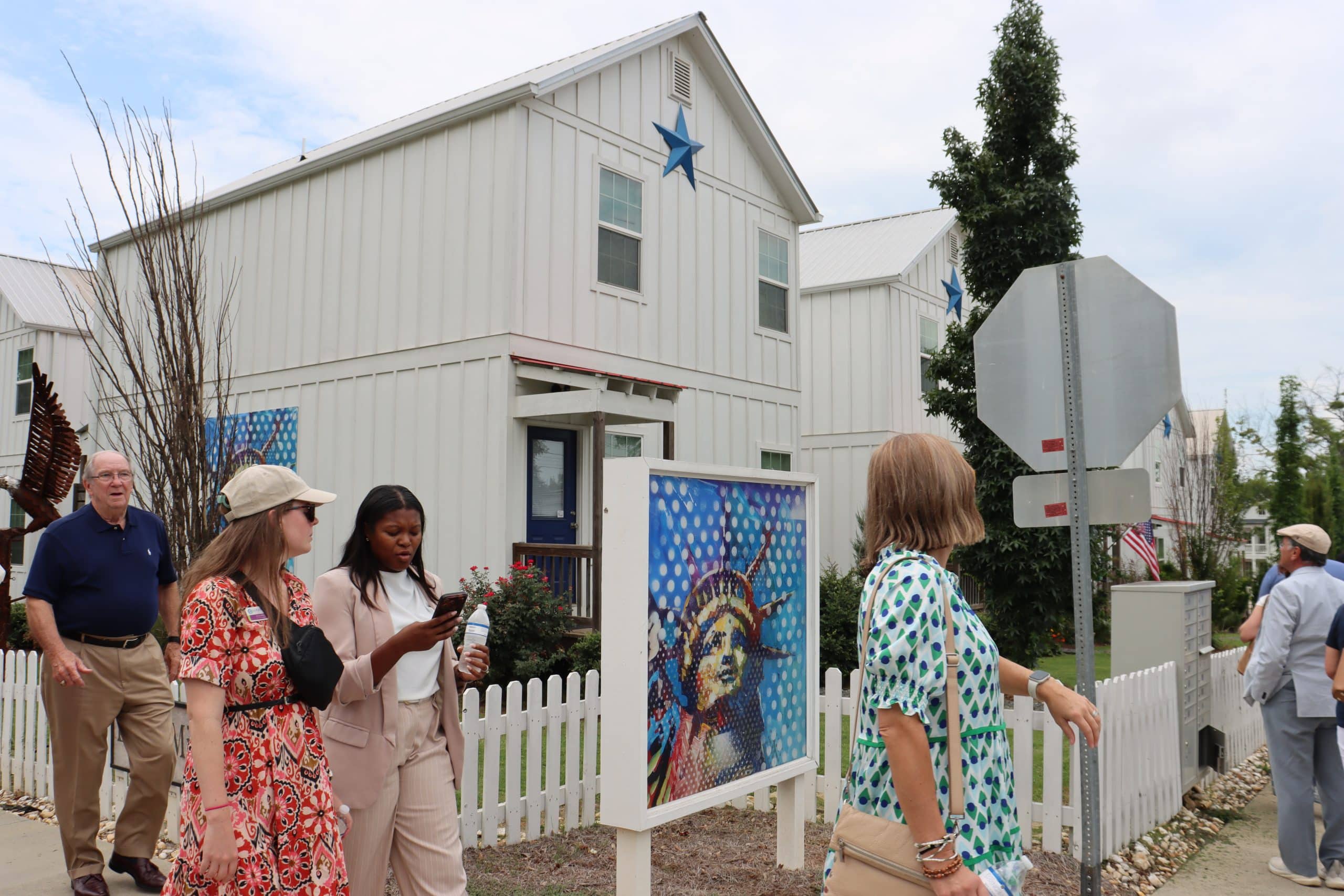
Several projects illustrate that strategy. The Enclave introduced 45 townhouse style apartments just one block from the Midland Greenway, with rents around 1900 per month. Trailside Cottages transformed a former concrete pumping facility into 18 cottage homes priced in the low 300,000s. Villa Nova introduced a micro-home community near the downtown square with homes beginning in the low 200,000s. Clarendon Commons added another mix of cottage style and modern townhomes.
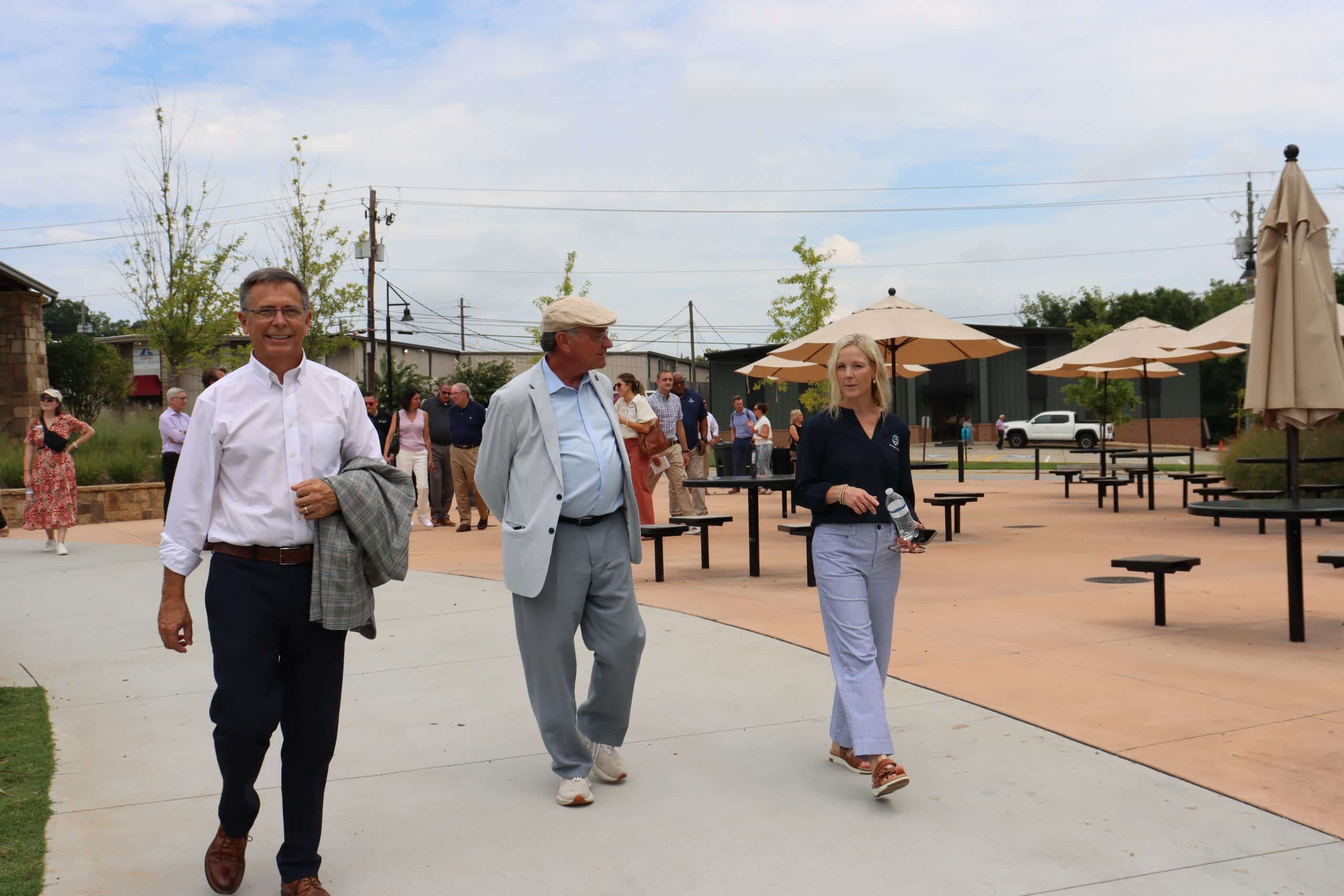
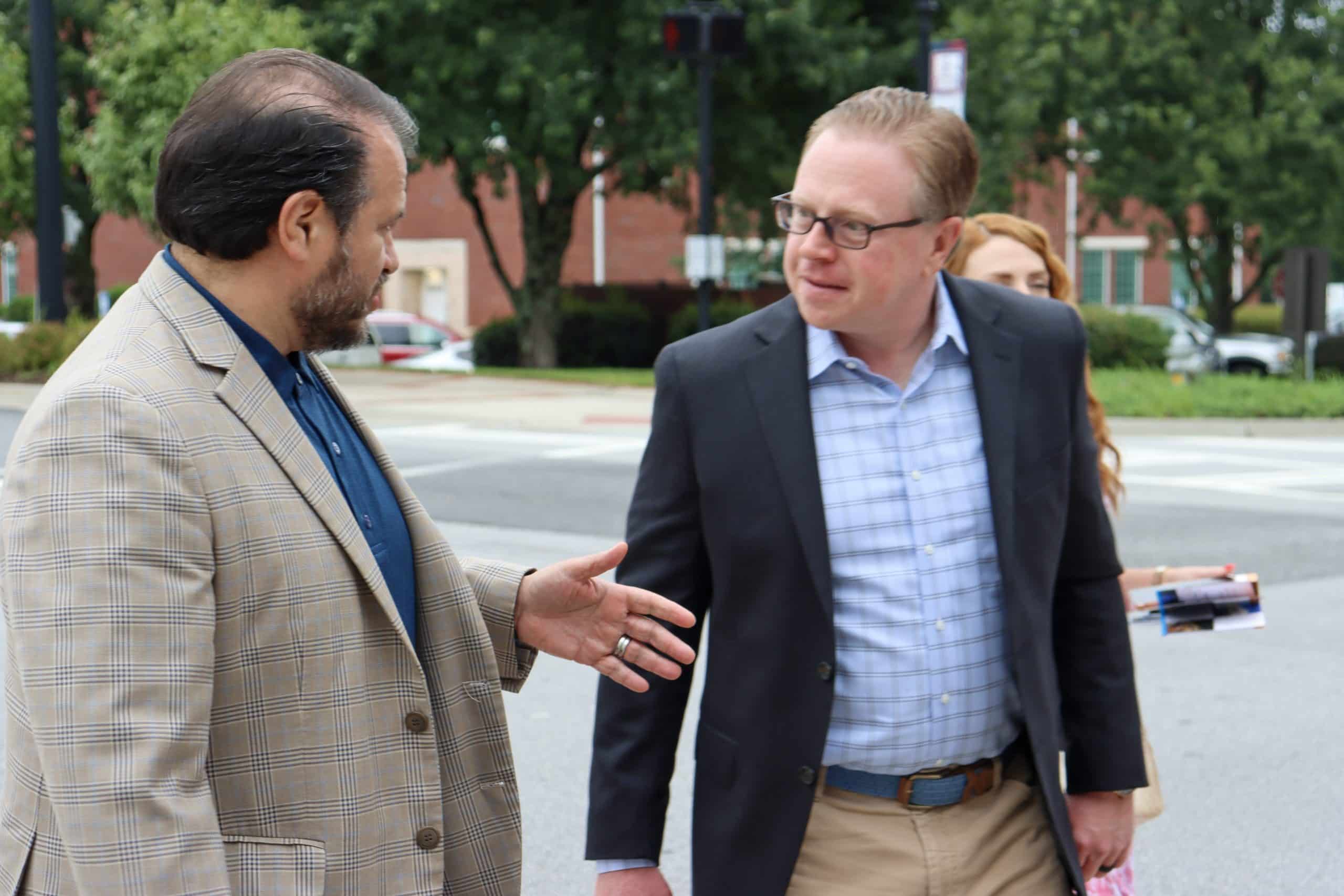
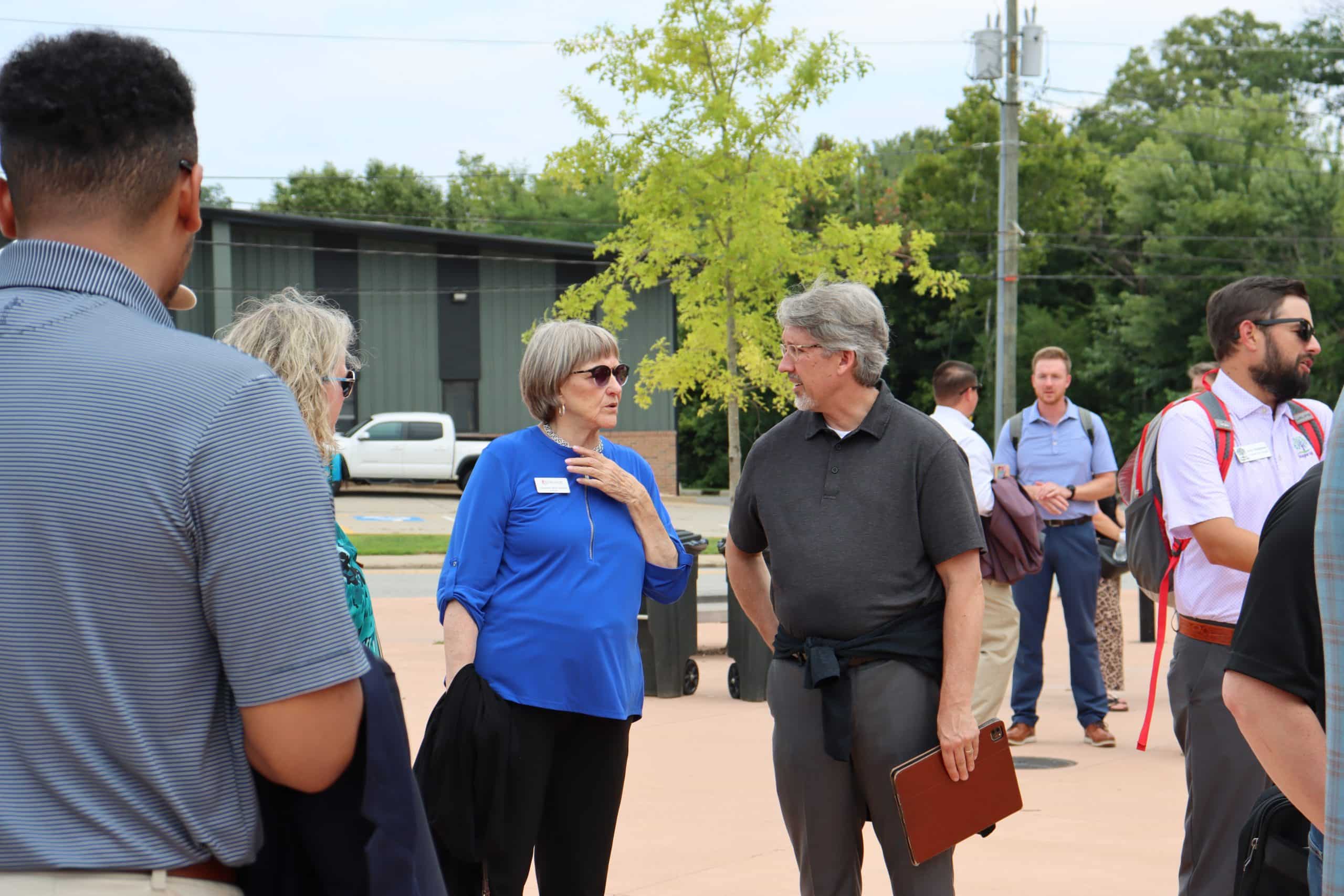
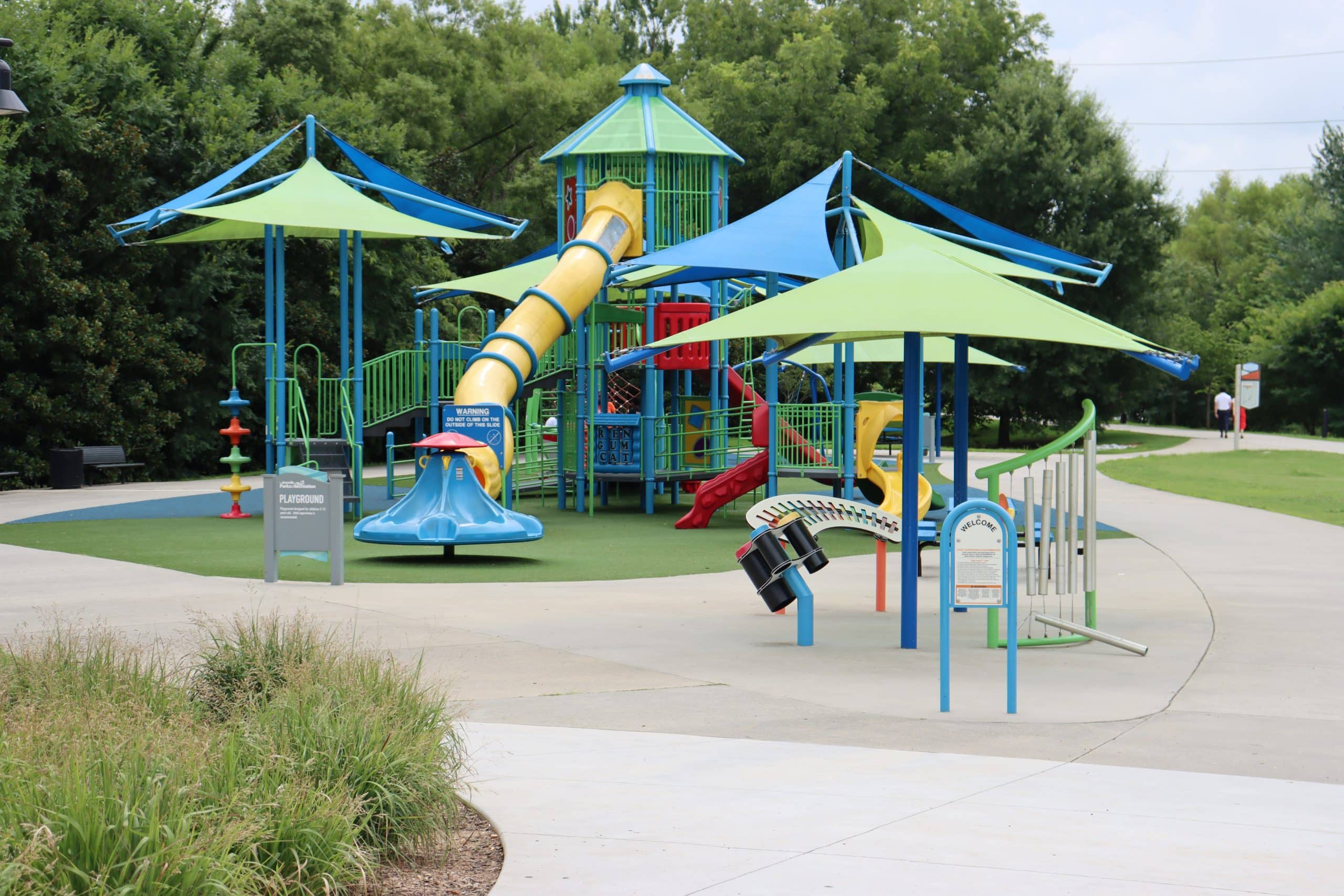
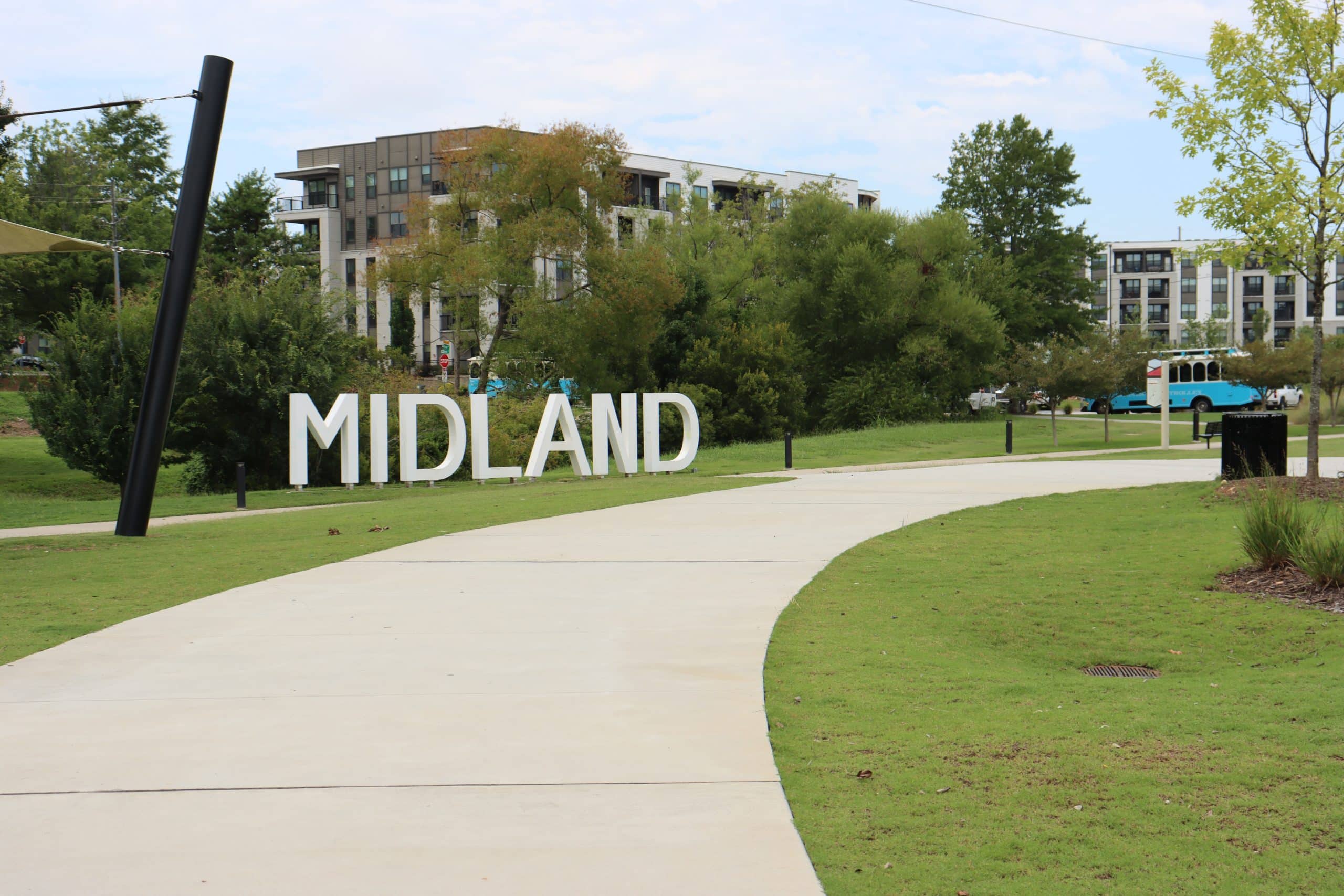
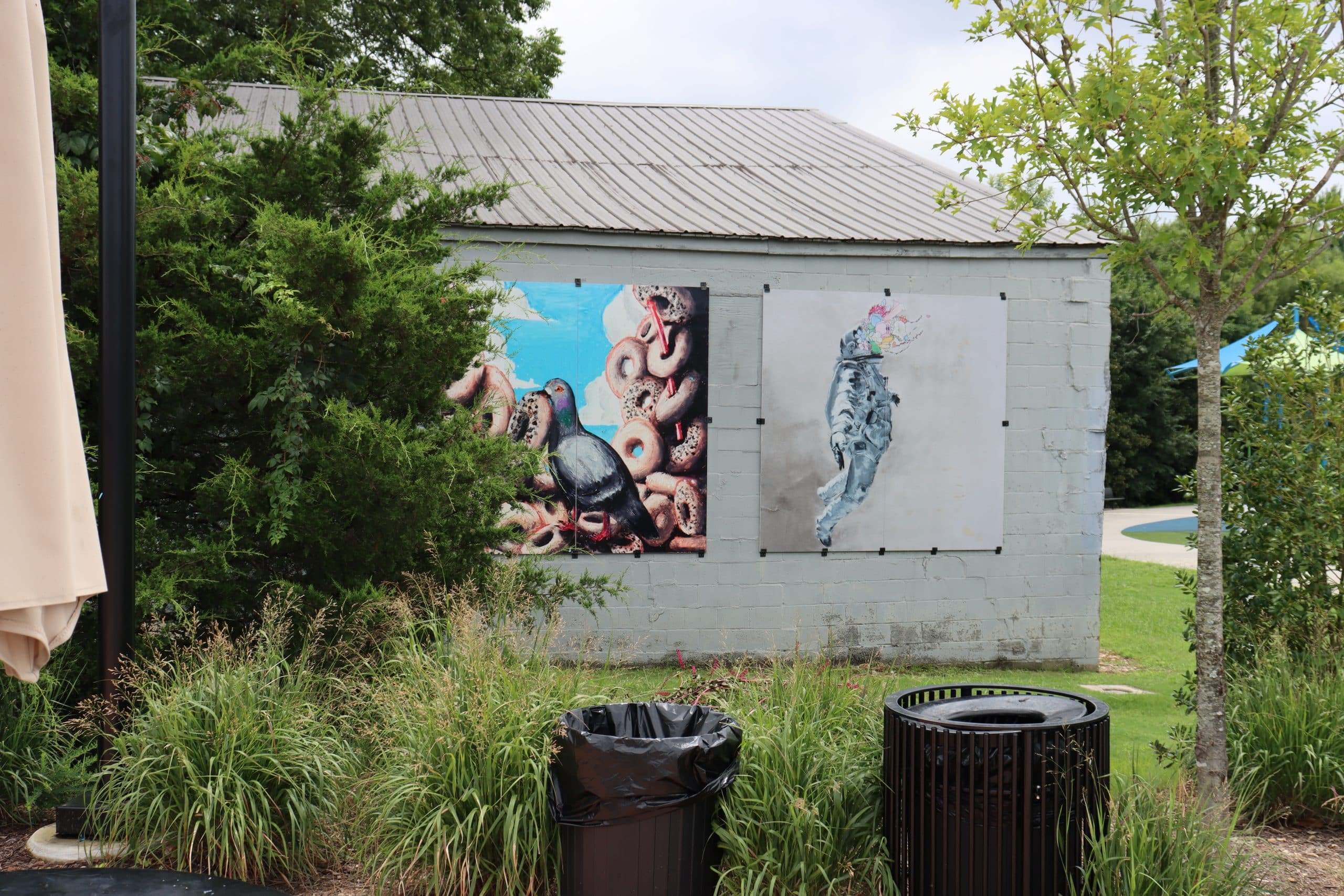
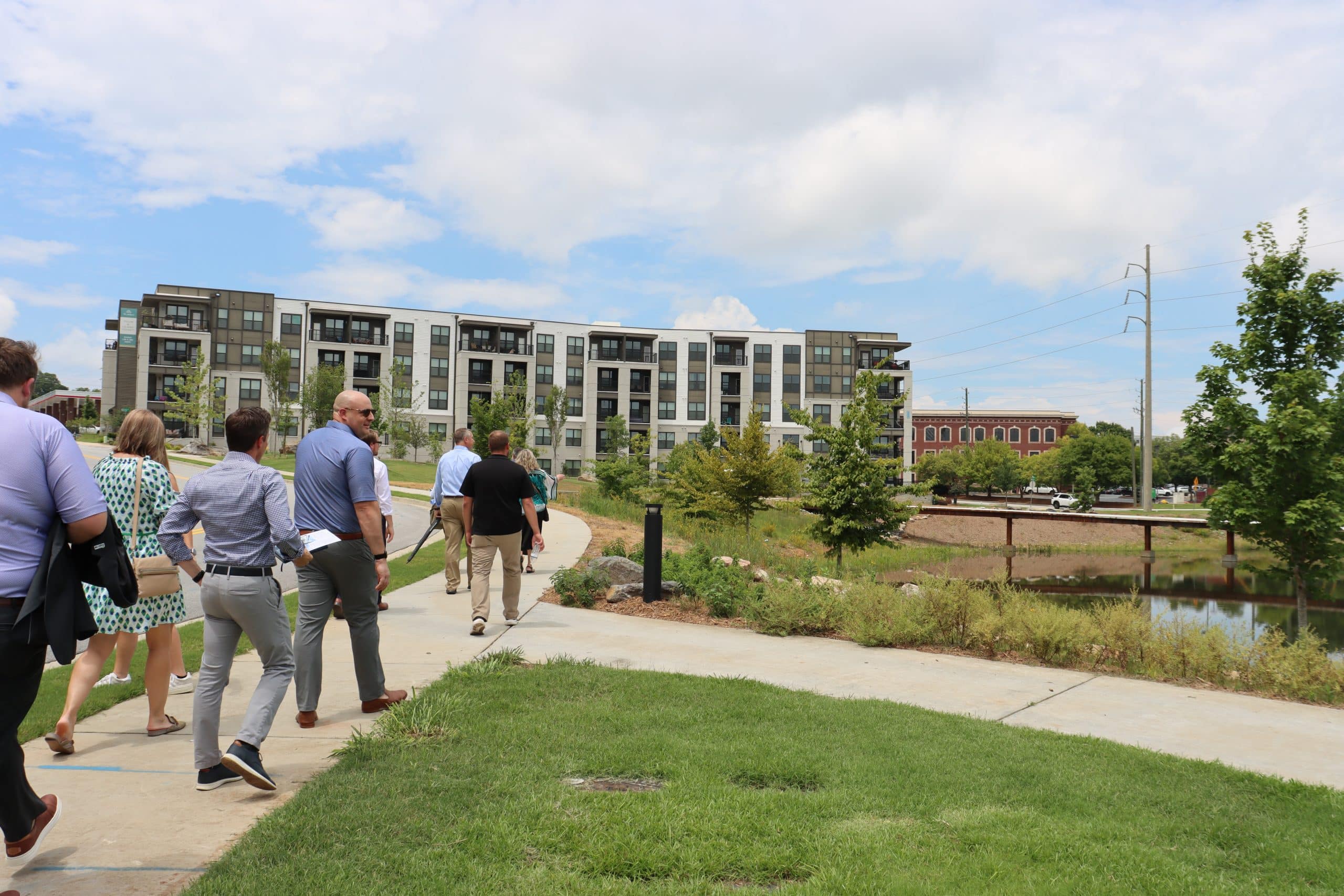
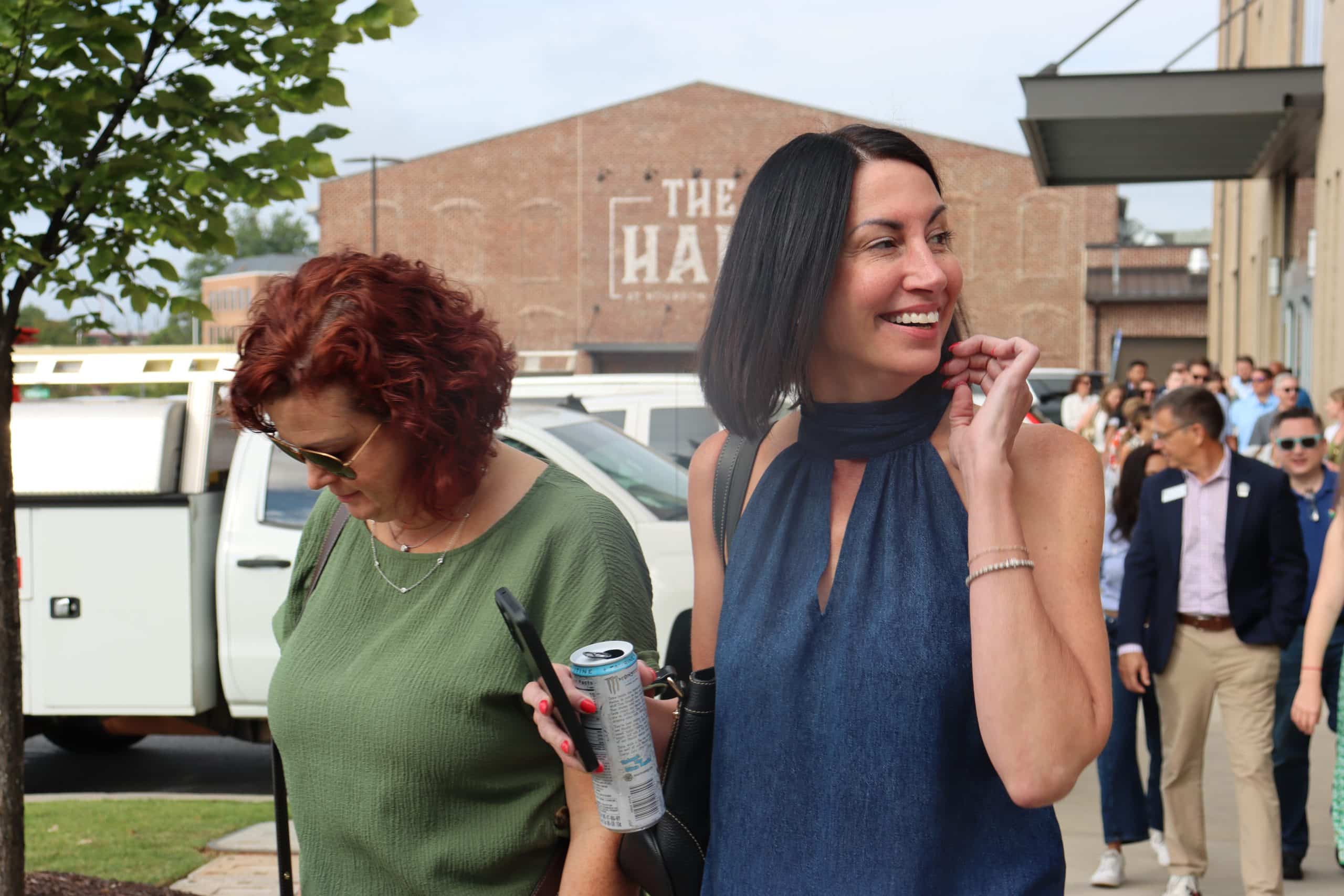
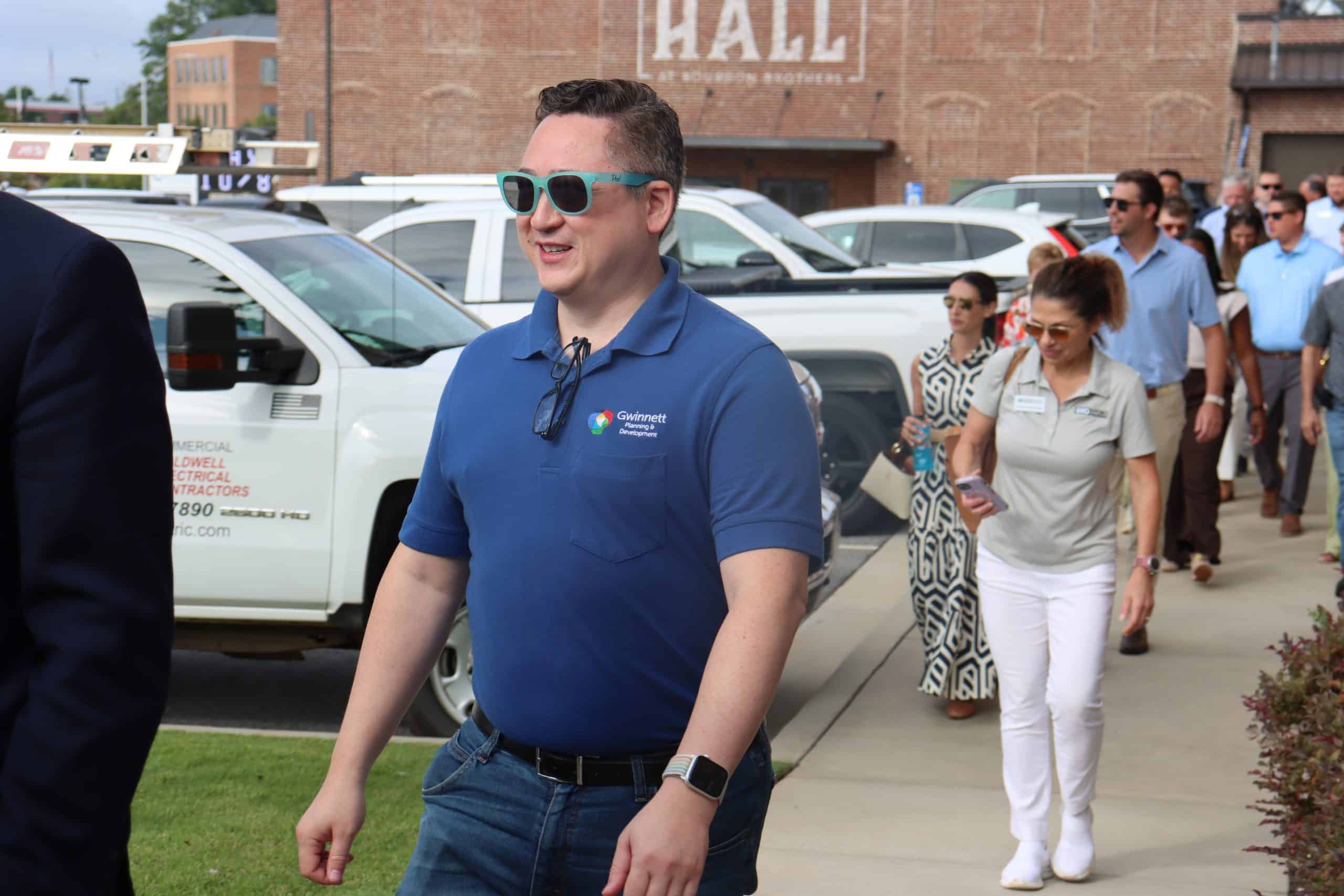
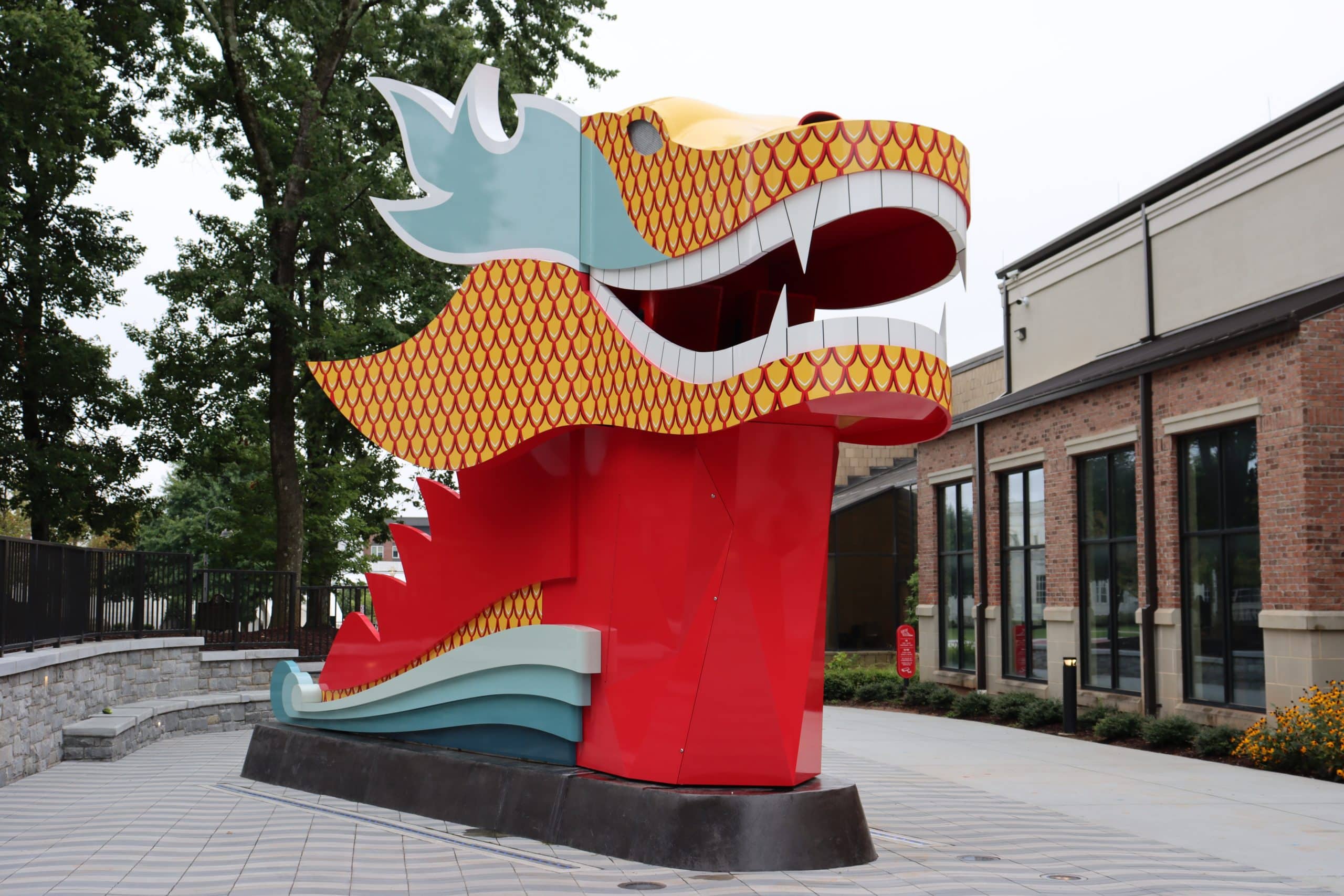
From there, participants walked portions of the Midland Greenway, experiencing firsthand how investments in trails and public spaces can become catalysts for redevelopment. The Greenway is part of the 35 mile Highlands to Islands trail, connecting Lake Lanier, Longwood Park, and Lanier Islands. Along the route, public art, parks, dog parks, lighting, restrooms and gathering spaces have transformed the corridor into an enticing place that feels safe, welcoming, and exciting to walk. More than a recreational amenity, the Greenway has become an economic development asset, creating stronger connections between housing, businesses, parks, and downtown while encouraging additional private investment along its corridor.
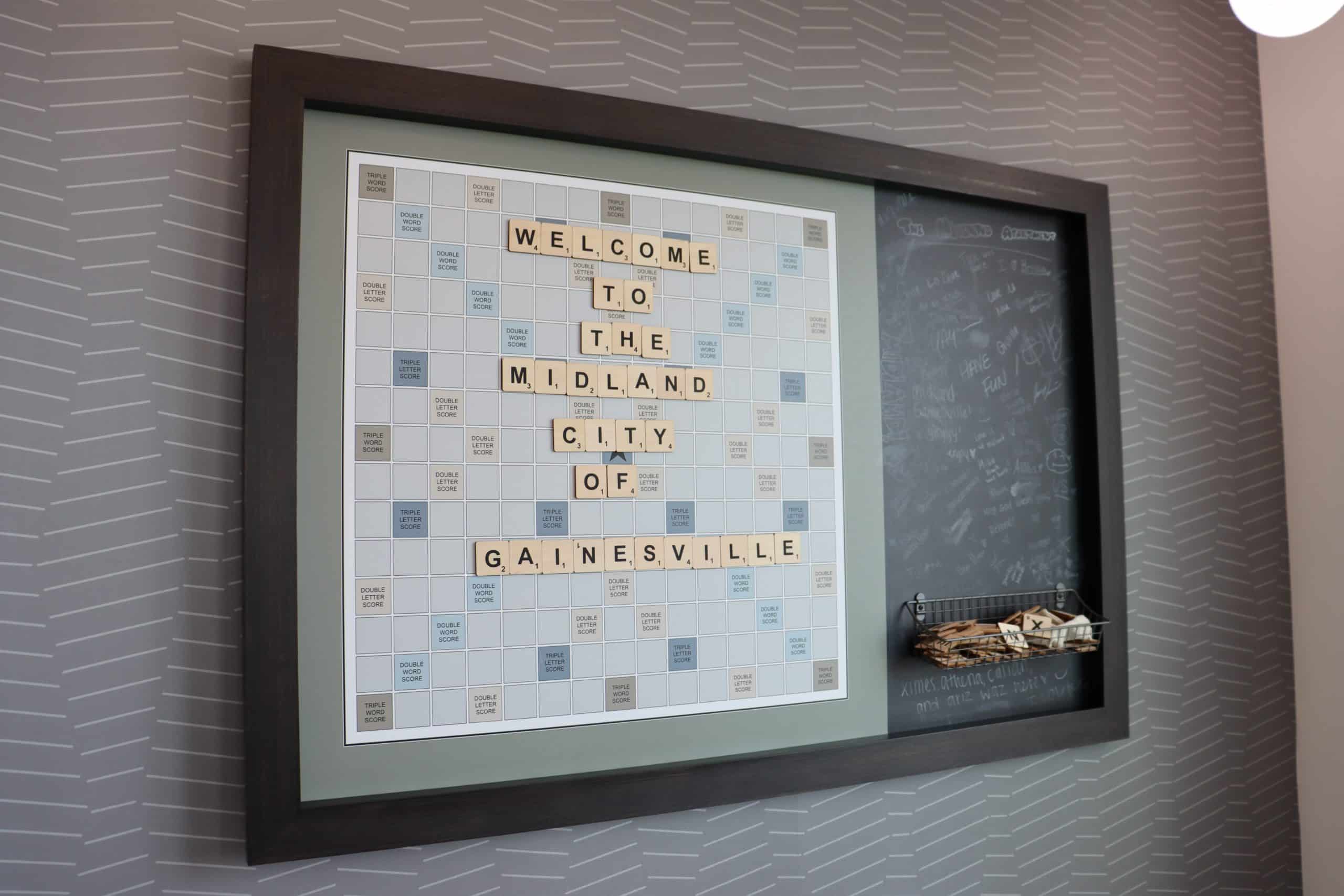
The tour concluded at The Midland, a 214-unit residential community overlooking the Greenway. Supported by Gainesville’s investment in the Greenway and its Tax Allocation District, the project illustrates how strategic public improvements can create the confidence needed for significant private residential development. Rather than simply adding housing, The Midland has introduced new residents within walking distance of downtown businesses, restaurants, and community amenities, further strengthening Gainesville’s urban core.
Together, these projects demonstrate that redevelopment works best when it is approached as a connected system rather than a collection of individual developments. Housing, parks, trails, and commercial spaces each reinforce the success of the others, creating neighborhoods that are both economically resilient and highly livable.

#4 The Gainesville Inland Port
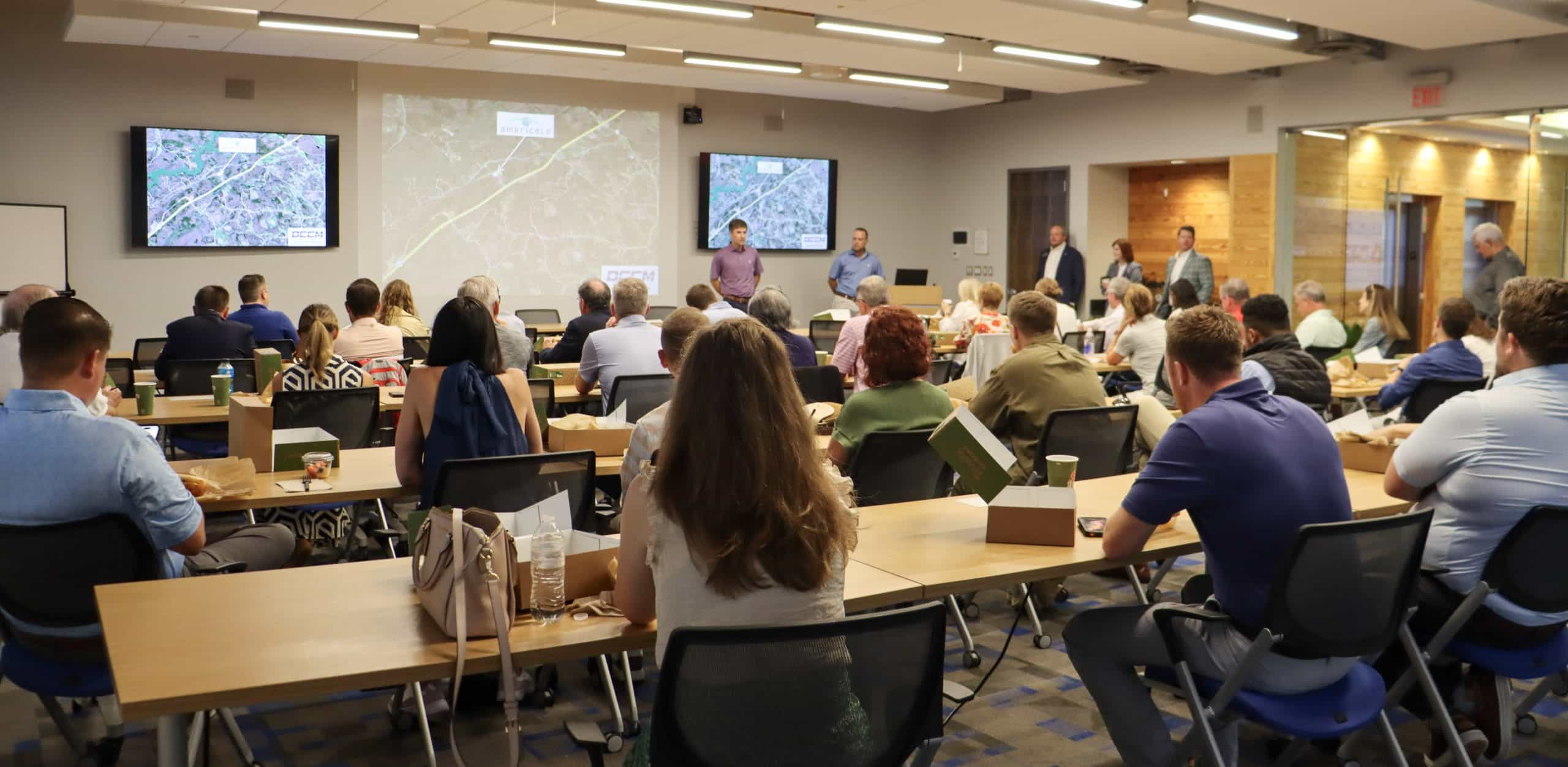
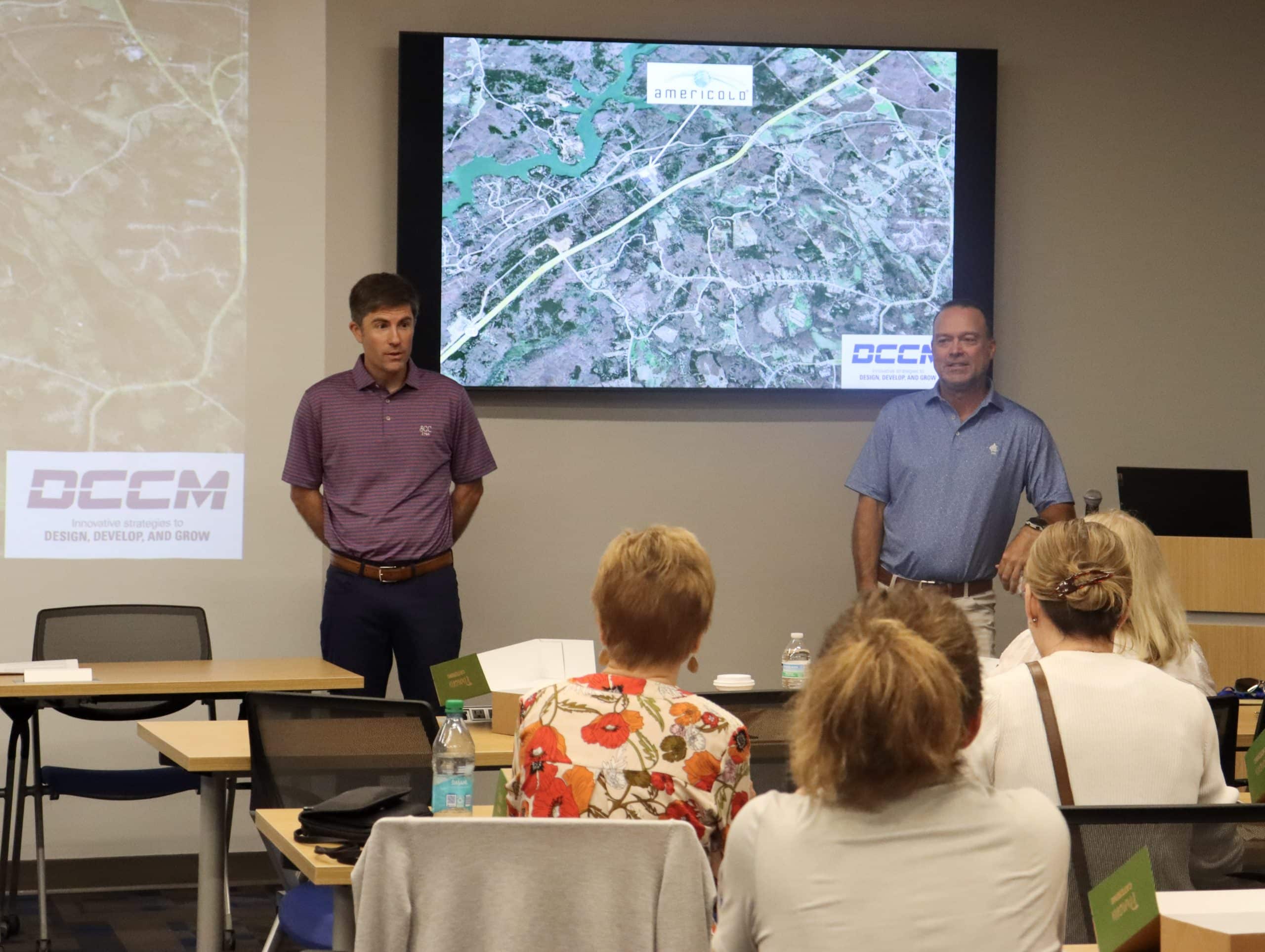
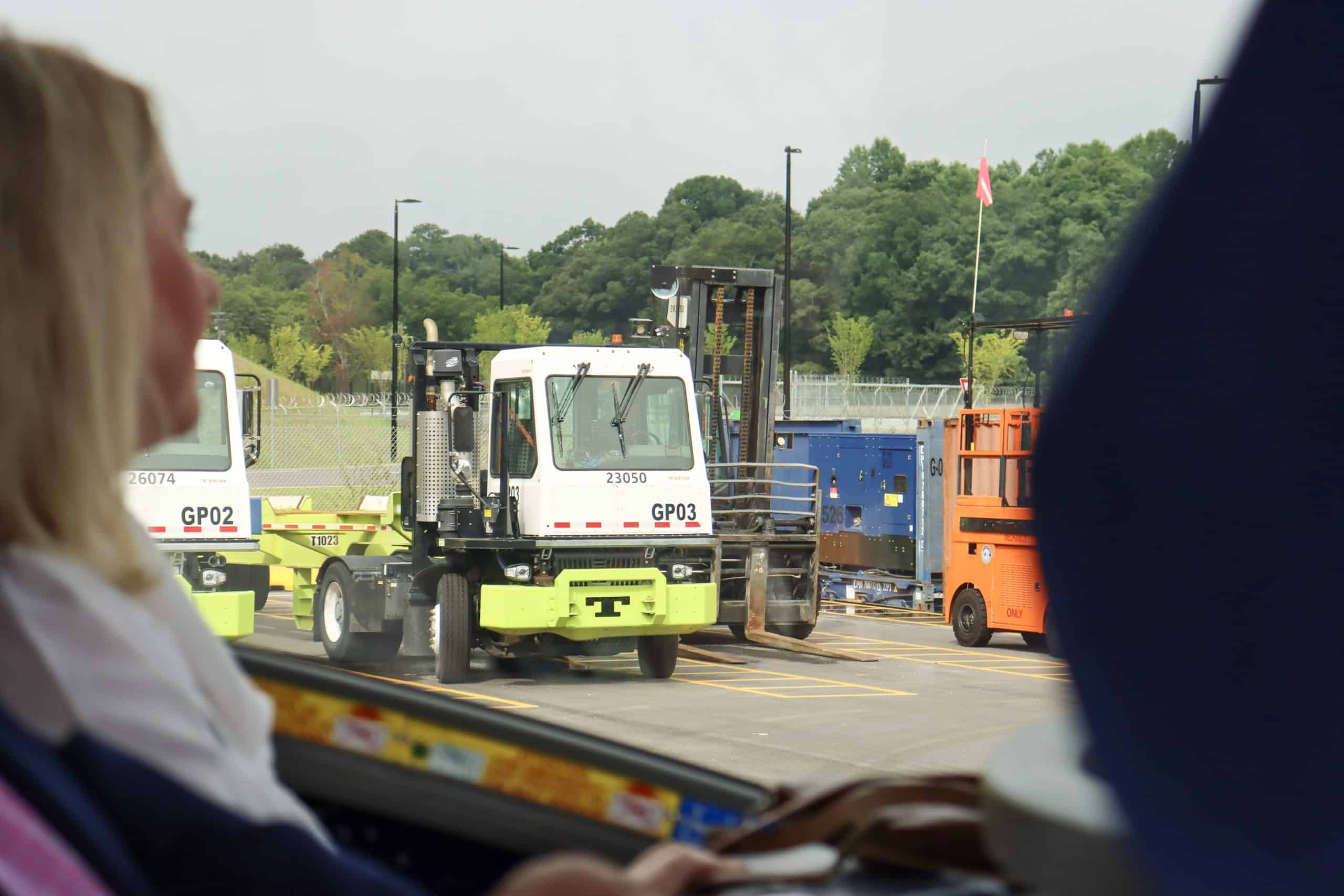
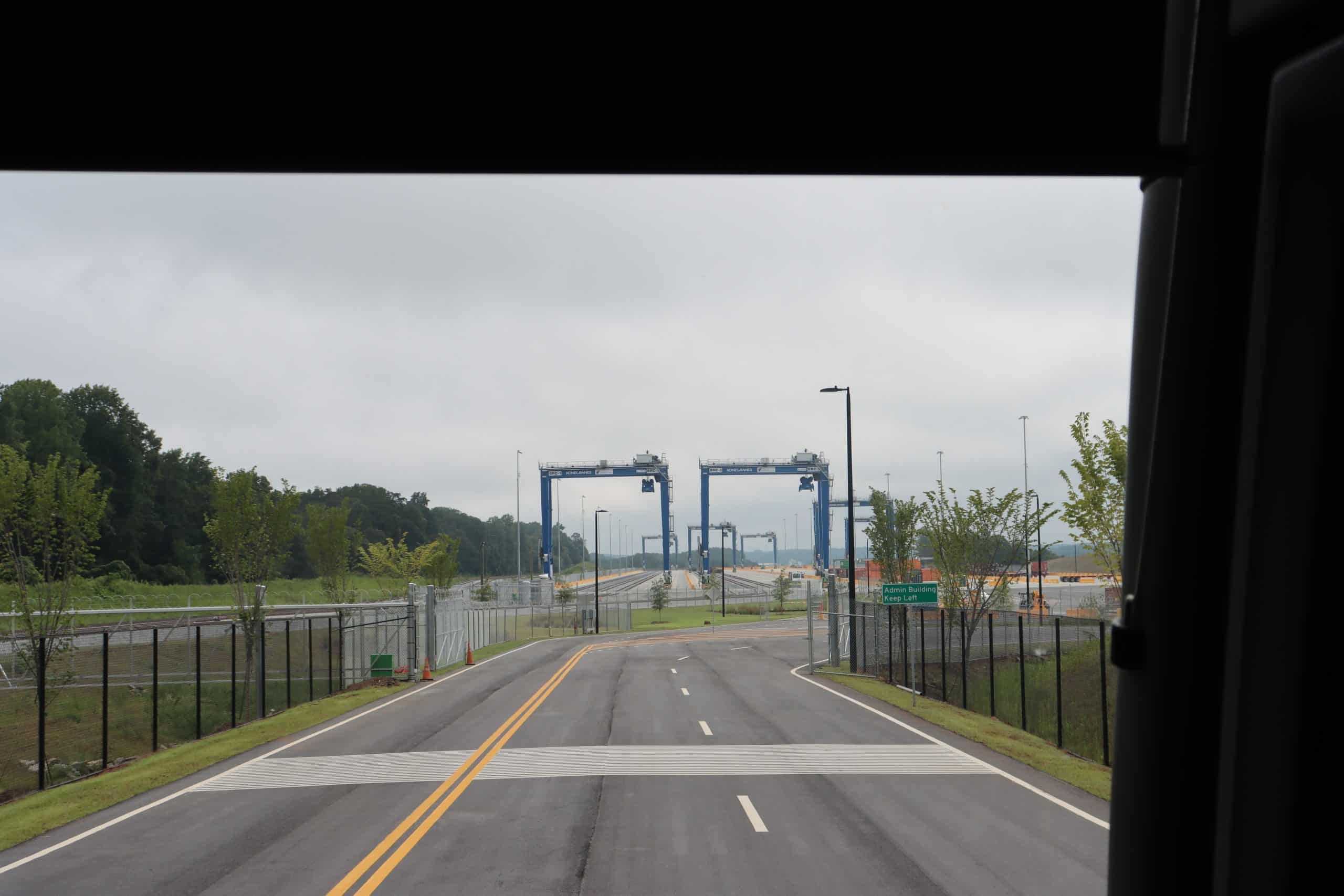
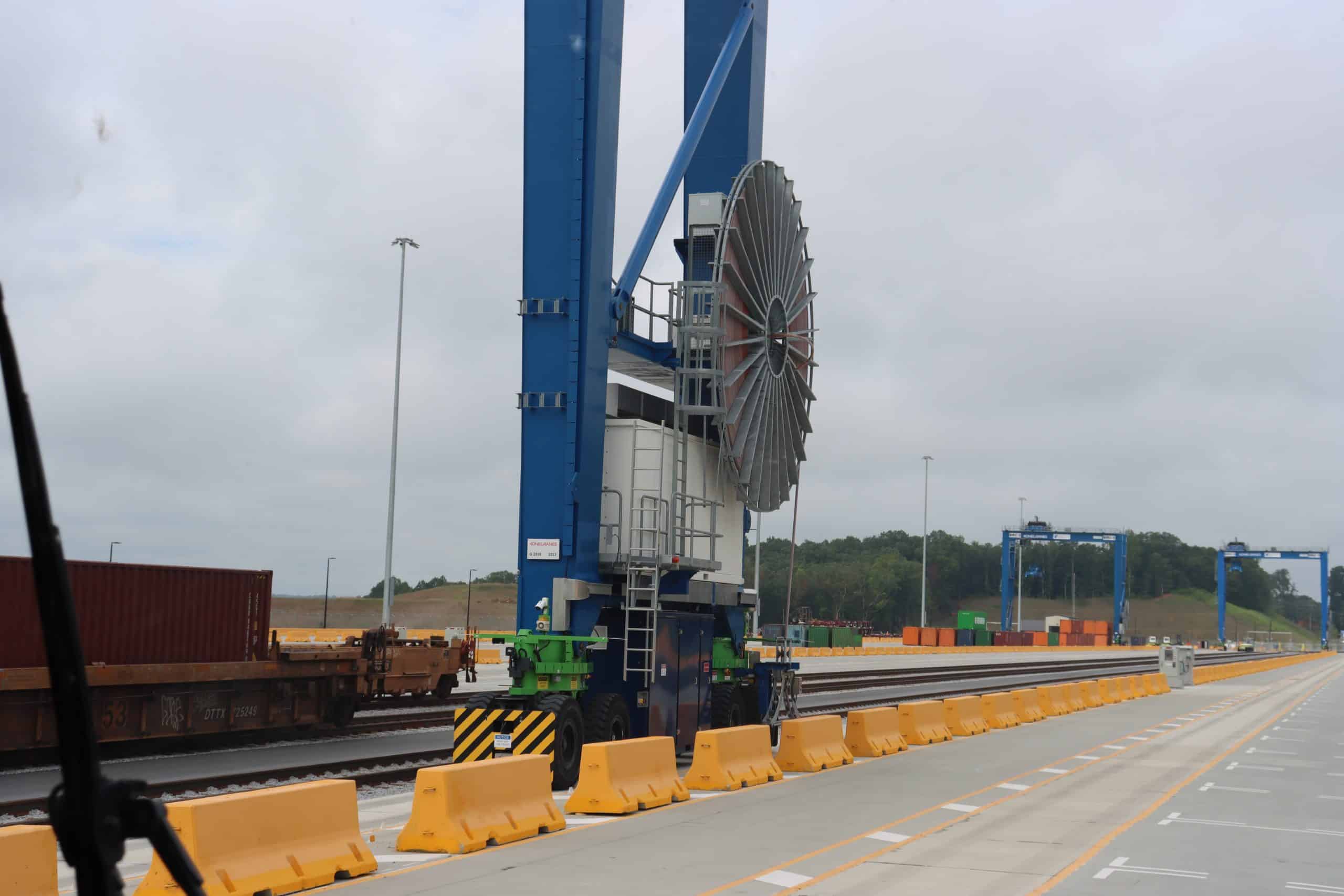
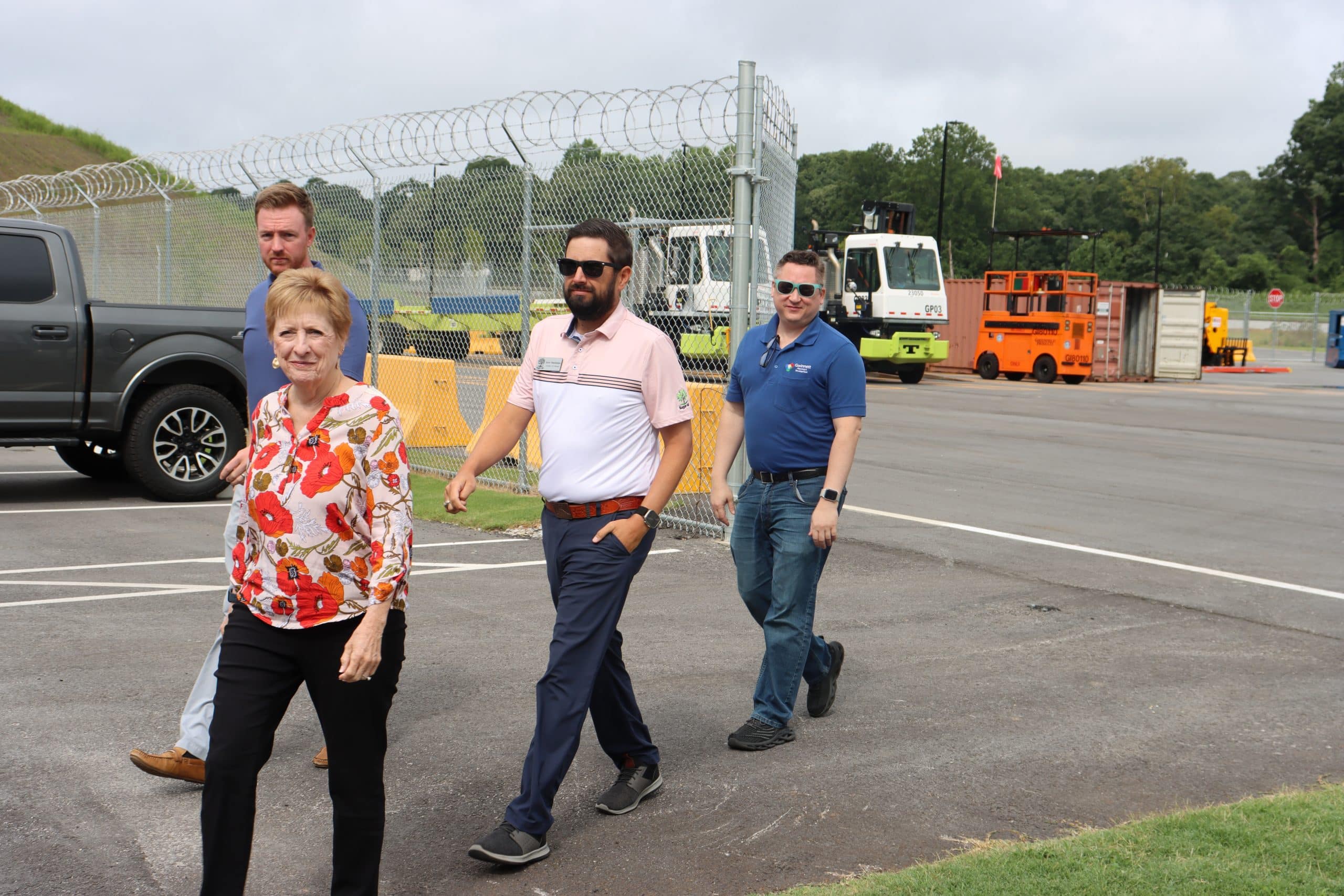
Our final stop took participants beyond downtown Gainesville to one of Northeast Georgia’s most transformational economic development projects: the Gainesville Inland Port. While the previous day’s discussions focused on walkability, housing, and mixed-use development, the Inland Port demonstrated how strategic infrastructure investments can unlock opportunity on a regional scale. The facility connects Northeast Georgia manufacturers and distributors directly to the Port of Savannah through rail service, strengthening supply chains, improving freight efficiency, and positioning the region for continued industrial growth.
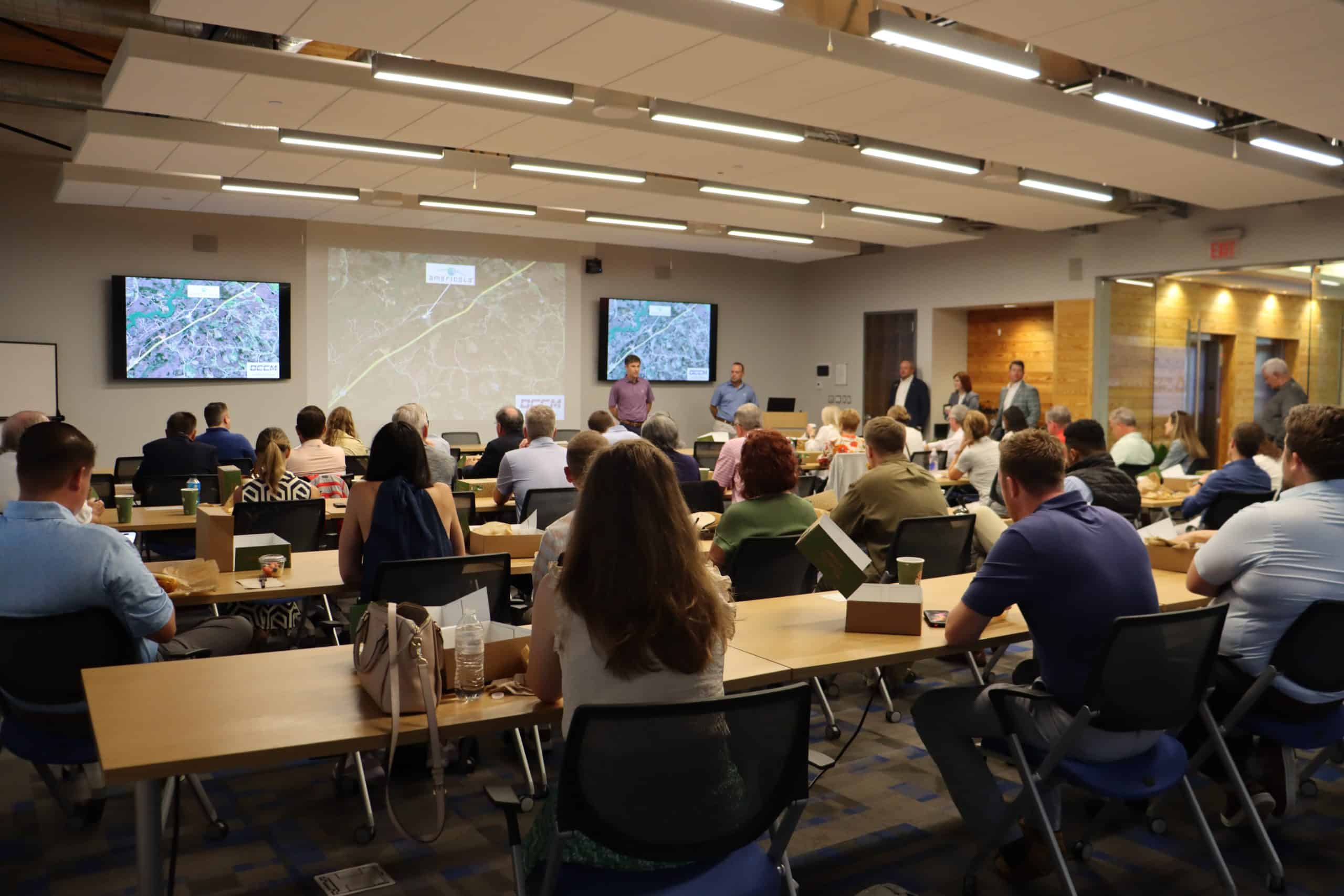
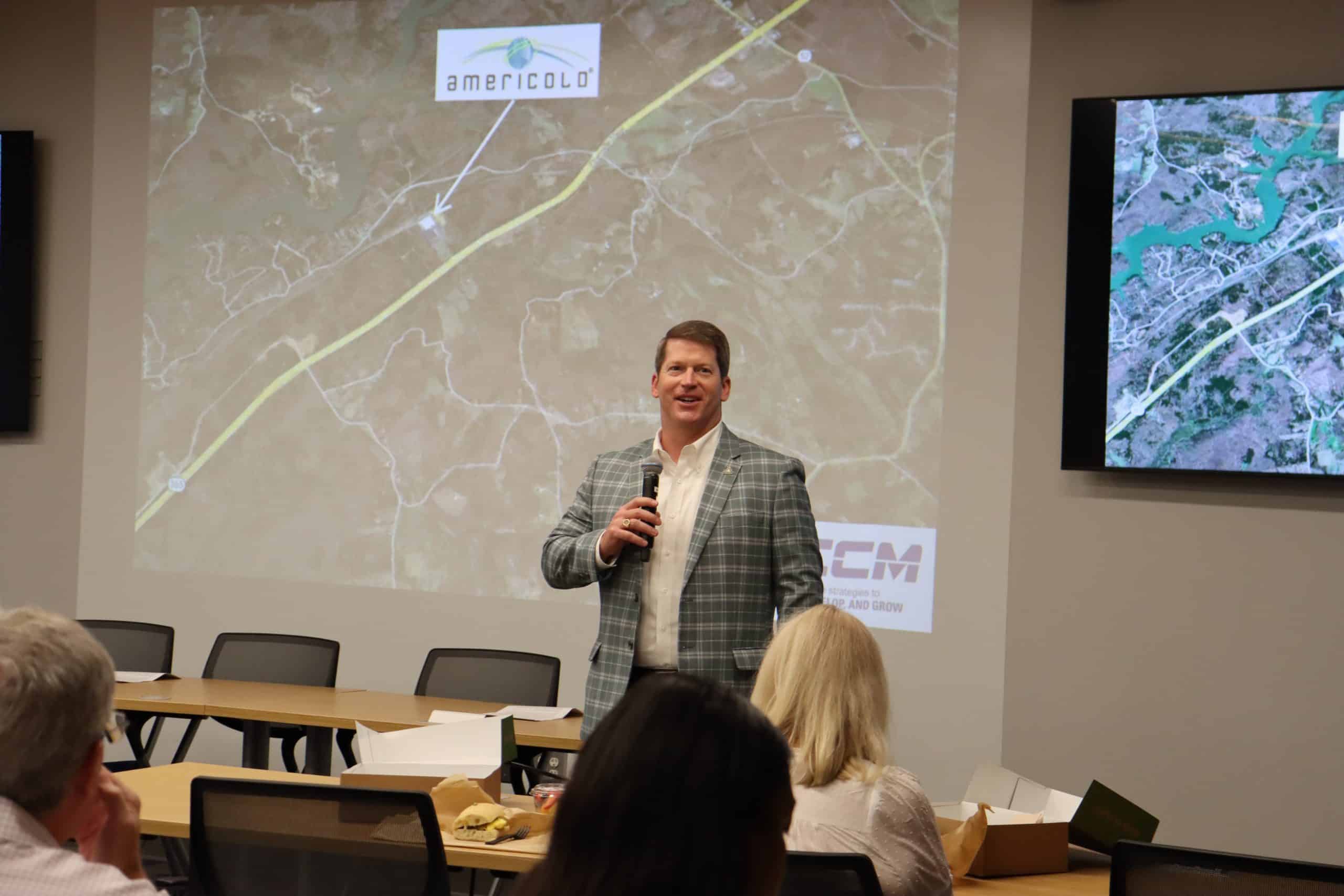
Before touring the facility, participants heard from leaders representing the Georgia Ports Authority, Jackson EMC, and DCCM, who shared the story behind the Inland Port’s development. Rather than focusing solely on the finished project, the discussion explored the years of planning, partnership, infrastructure coordination, and regional collaboration required to bring the facility to life.
Before the Inland Port was built, manufacturers and distributors faced significant logistical challenges. Many companies relied on trucks to make approximately 600 mile round trips to the Port of Savannah, contributing to increased transportation costs, traffic congestion, and wear on regional roadways. The Inland Port offers a more efficient alternative by allowing freight to move by rail, reducing transportation expenses while enabling companies to ship heavier container loads than would be practical by truck alone.
Panelists explained that Northeast Georgia possessed many of the ingredients needed to support a project of this scale. The region offered available utilities, strong transportation connections, and a site large enough to accommodate the facility. Assembling the necessary land required a coordinated public-private partnership, illustrating once again that major economic development projects depend on collaboration across multiple sectors.
The impact has extended well beyond the port itself. Since construction was completed following a two-year build, approximately 17 surrounding industrial sites have become available for development, creating a growing industrial park around the facility. Panelists noted that companies locating near the Inland Port have already generated roughly $1 billion in private investment, demonstrating how a single infrastructure project can catalyze broader economic growth across an entire region.
The Inland Port has also become a valuable business recruitment asset. The Georgia Ports Authority maintains close relationships with importers and exporters, providing insight into where cargo is moving and where future growth opportunities exist. Those relationships help identify companies that could benefit from locating near the Inland Port, while local and regional economic development partners work together to introduce communities like Hall County and Gwinnett County to prospective businesses.
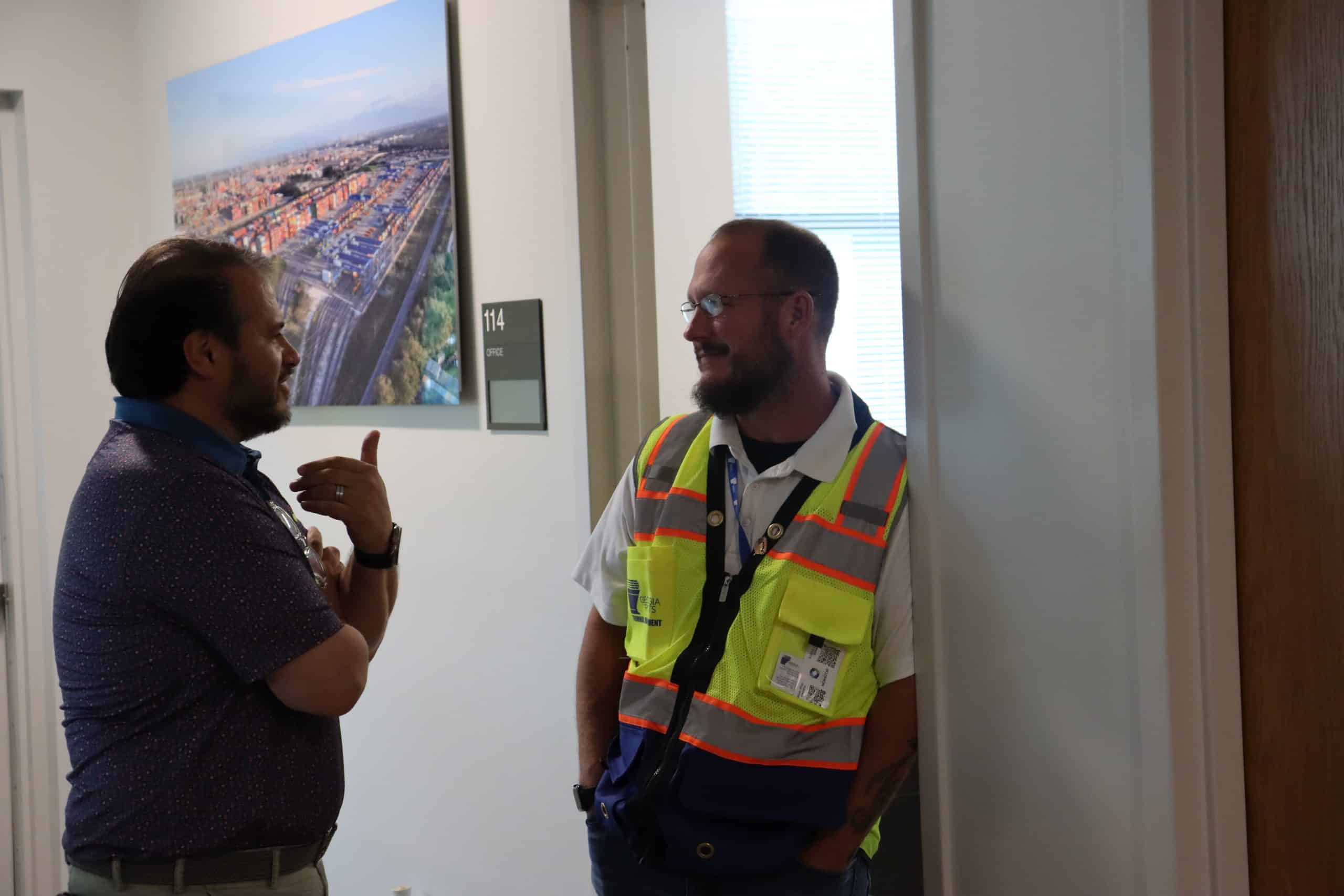
Walking through the facility, participants saw firsthand how infrastructure investments extend far beyond transportation. By providing more efficient access to global markets, the Inland Port supports existing industries, attracts new investment, reduces transportation costs, and creates opportunities for future industrial development throughout the region.
It was a fitting conclusion to the Peer Tour.
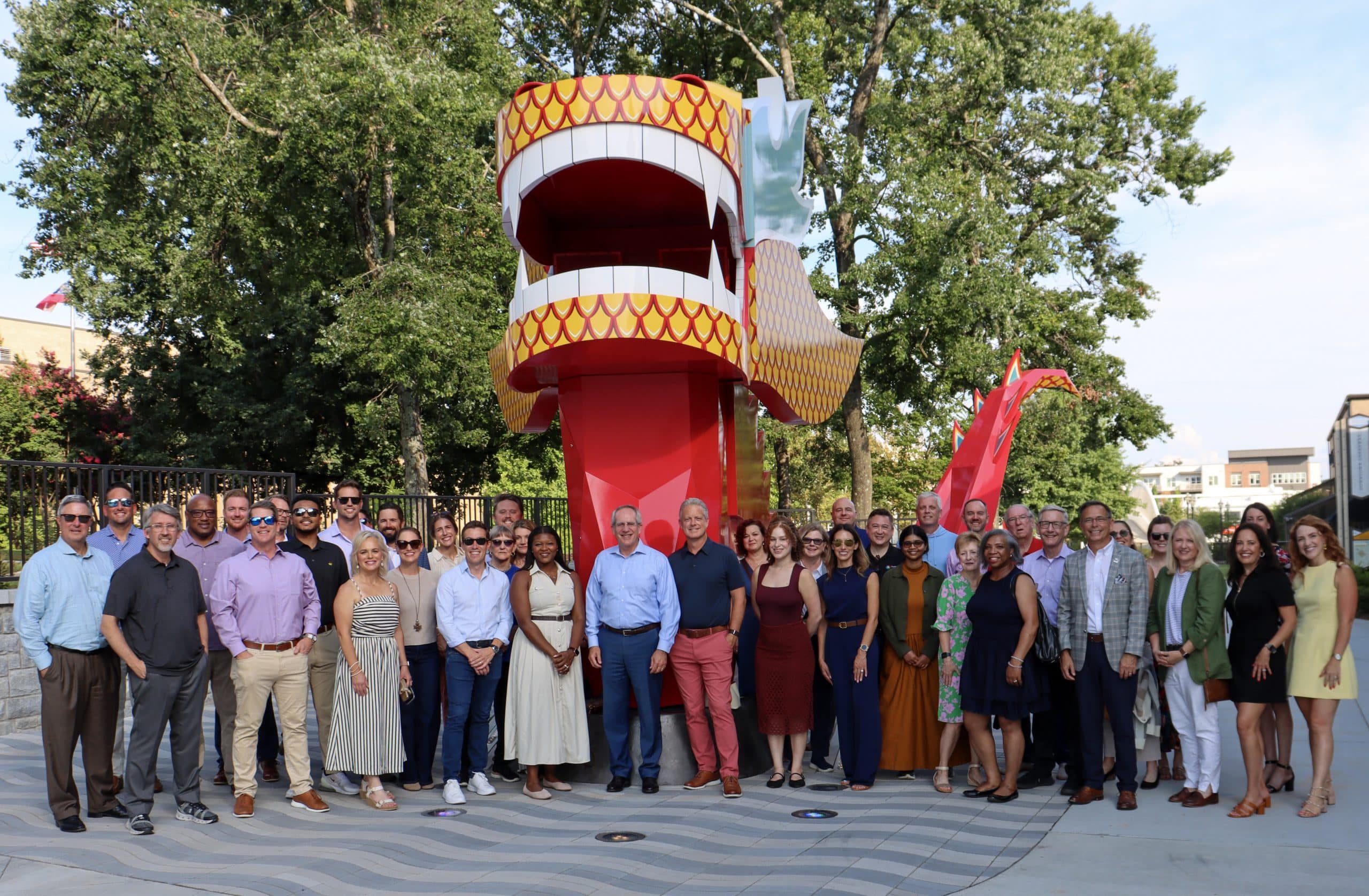
Over two days, attendees explored how redevelopment happens at every scale—from restoring historic downtown buildings and creating connected neighborhoods to investing in the infrastructure that powers regional economic growth. While each project addressed a different challenge, they all reflected the same philosophy: thoughtful planning, strategic investment, and strong partnerships create communities that are positioned to thrive for generations.
Interested in joining our next Redevelopment Peer Tour?
Stay connected with Partnership Gwinnett for announcements on future tours, redevelopment events, and professional development opportunities.
Thank You for Driving Economic Development
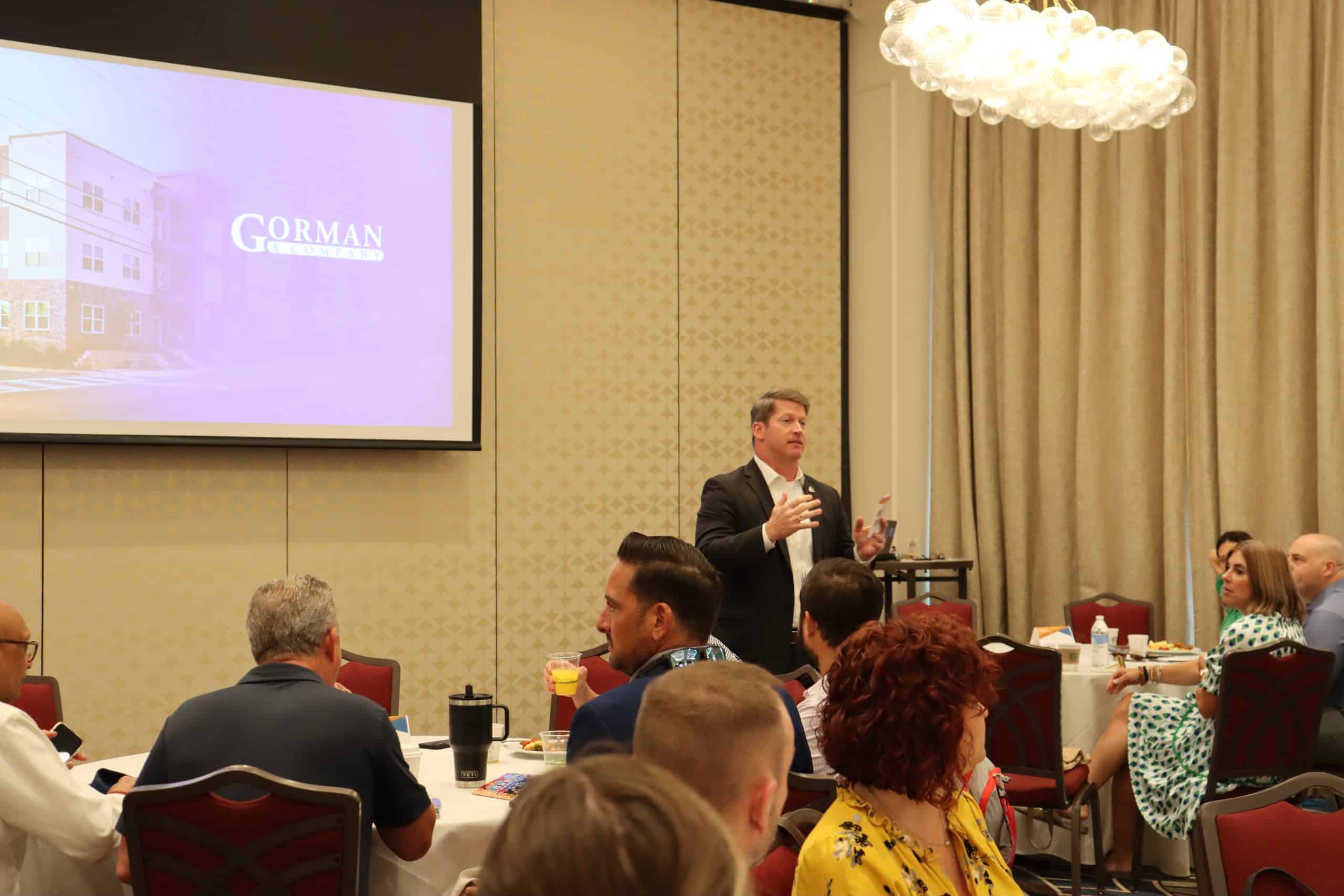
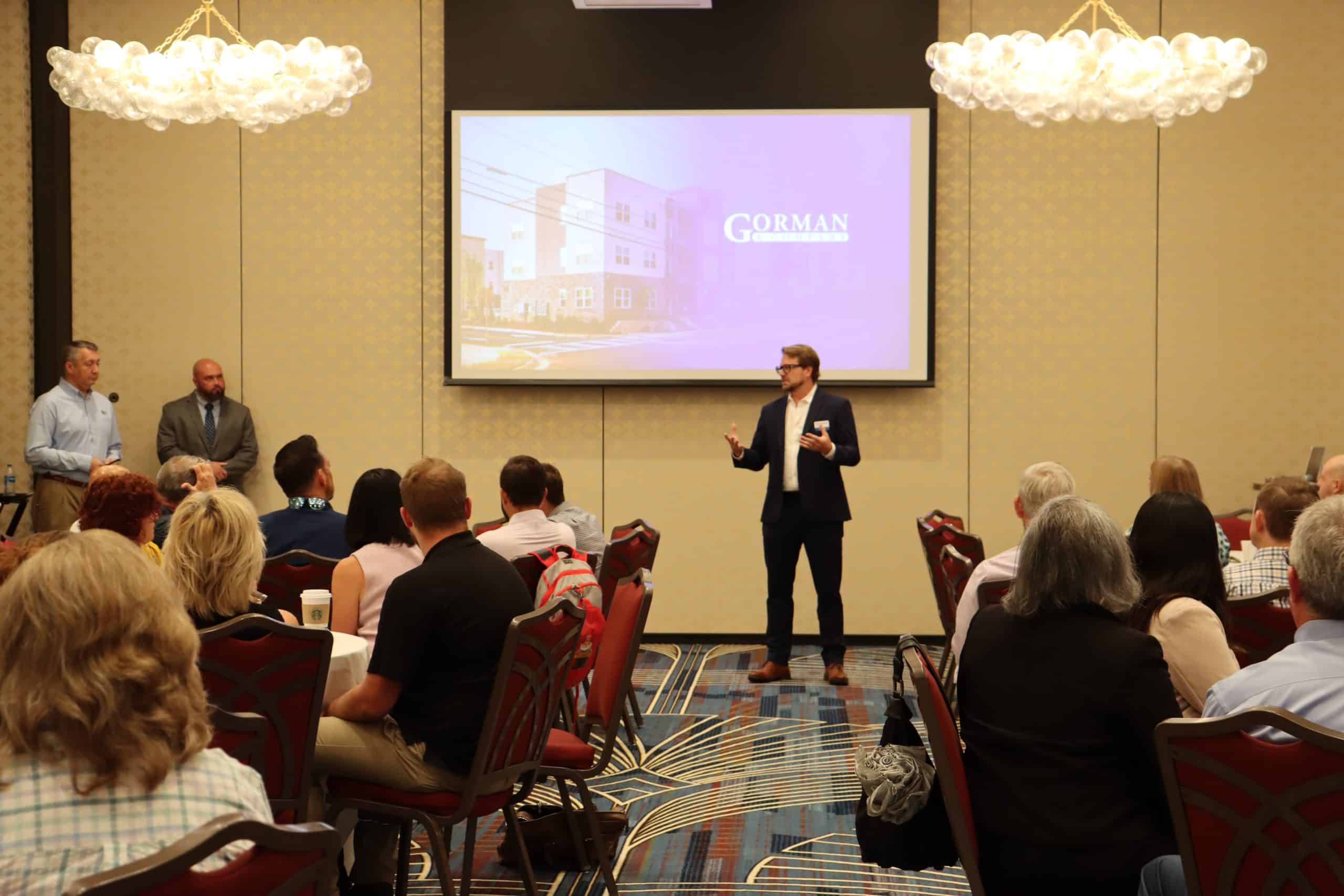
Thank you to our sponsors for helping fuel economic development in Gwinnett County: Jackson EMC, Gorman & Company, and Lilburn CID. Your partnership and support make a lasting impact on our community’s growth and success.